



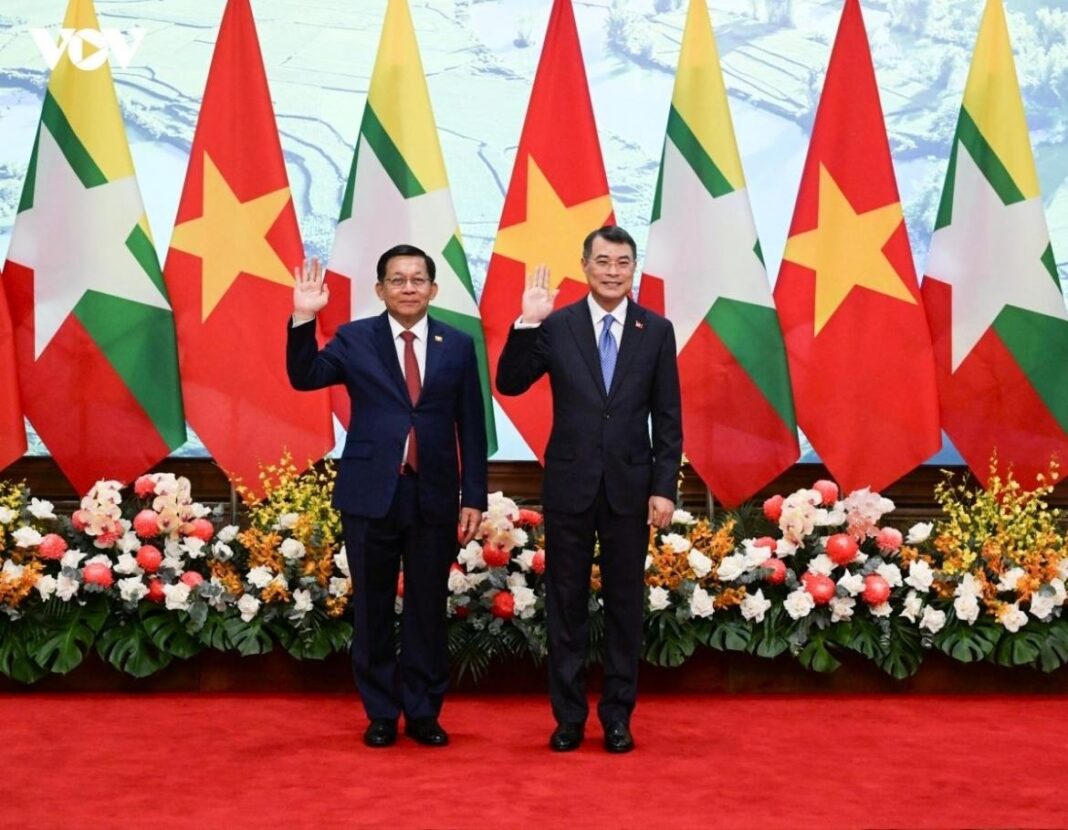
Min Aung Hlaing’s official visit to Vietnam from September 4–6, 2026, marks a critical turning point in Myanmar’s diplomatic isolation. While the trip provided the junta with much-needed diplomatic breathing room and reinforced Vietnam as a key partner, it did not resolve the core conflict or grant the regime full democratic legitimacy. The visit highlights a growing fracture within ASEAN between pragmatic engagement and principled pressure, complicating efforts to restore peace and harmony in Myanmar.
Strategic Gains Versus Symbolic Legitimacy
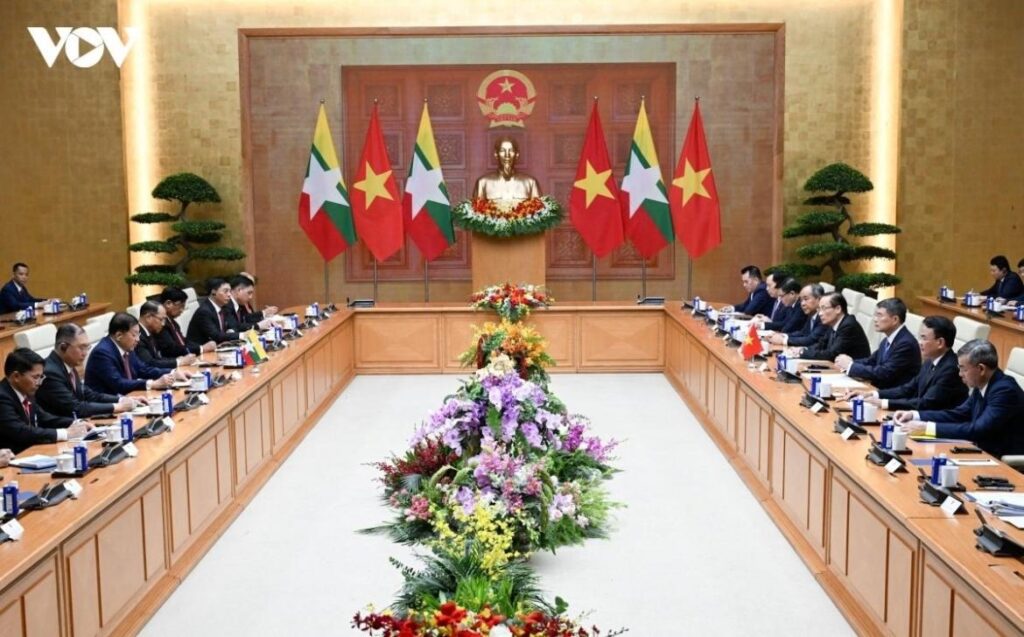
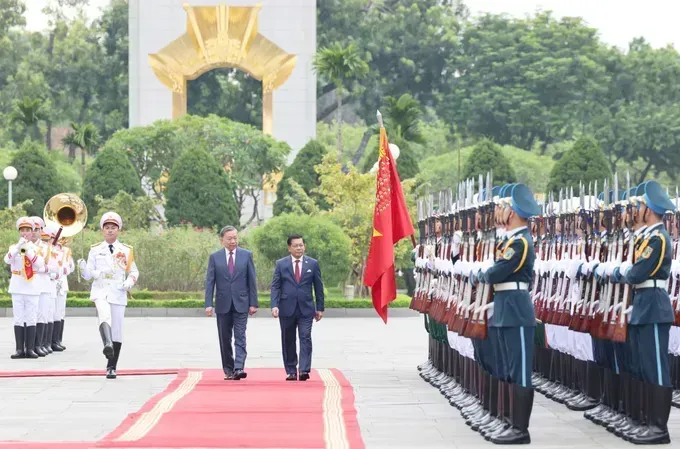
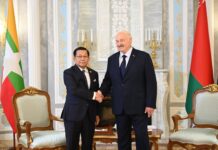
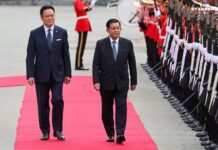
The visit was framed as a first official presidential visit, following the formation of a new government in April 2026. Its outcomes were significant but largely incremental and practical rather than transformative. Vietnam elevated defense cooperation to a central pillar, agreeing to expand military training, young-officer exchanges, disaster response, and transnational crime fighting. High-level visits to Viettel and VinFast signaled Myanmar’s interest in Vietnamese technology, while both nations identified opportunities in high-tech agriculture, energy, and digital transformation. The two sides also pledged to strengthen political trust and coordinate more closely within ASEAN and Mekong institutions, alongside a mutual non-aggression pact.
The visit achieved what is best described as de facto legitimacy without granting legal or democratic legitimacy. For Vietnam, the engagement serves a strategic calculation to protect economic interests, prevent Myanmar from becoming entirely dependent on China or Russia, and maintain a channel to whoever controls the state. For Min Aung Hlaing, it offers a powerful image of normalcy, allowing him to claim that Myanmar is not internationally isolated. However, ASEAN remains divided, and the military regime is still excluded from high-level political meetings due to the failure to implement the Five-Point Consensus.
The Legitimacy Paradox and Myanmar’s Internal Struggle
Min Aung Hlaing’s regime has long struggled with legitimacy projection. The coup in 2021, subsequent atrocities, and the failure to deliver on the Five-Point Consensus have left the military isolated. Vietnam’s embrace is a double-edged sword for the junta. In the short term, the visit helps the junta survive diplomatically by providing a narrative that the military is a responsible actor capable of international engagement. In the long term, however, the visit deepens the junta’s reliance on Vietnam for surveillance technology, military training, and financial lifelines, which entrenches the military’s grip on power rather than compelling it to negotiate with opposition forces.
Vietnam’s approach suggests a path where the military is treated as a negotiating partner without requiring a genuine transition to democracy. This risks creating a scenario where the junta gains international viability without solving the internal crisis. Reports indicate that Vietnam’s engagement is not merely diplomatic but deeply economic and military. The joint venture between Viettel and the military conglomerate MEC is a major revenue stream for the junta, projected to generate $700 million over ten years. Mytel also provides the infrastructure for surveillance, enabling the military to track and target human rights defenders. Furthermore, Vietnamese companies have been linked to the supply of aviation fuel used in indiscriminate airstrikes against civilians, and the continued supply of military communications equipment solidifies the junta’s capacity to wage war. Critics argue that by deepening these ties, Vietnam is aiding and abetting the junta’s war crimes, effectively subsidizing the conflict rather than resolving it.
Fractures Within ASEAN and the Hollowing of Centrality
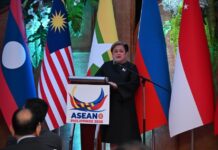
The visit exposes a clear fracture within ASEAN, moving the bloc away from a unified front toward a two-track policy. On one side is the pragmatic-engagement camp, comprising Vietnam, Thailand, Laos, and Cambodia. These nations prioritize stability, economic ties, and direct access to the authorities controlling the state. They support bilateral normalization and view the Five-Point Consensus as a flexible guideline rather than a hard constraint. On the other side is the principles-pressure camp, including Indonesia, Malaysia, Singapore, and the Philippines. These countries insist on inclusive dialogue, civilian protection, and strict adherence to the Five-Point Consensus, demanding engagement with all stakeholders including the National Unity Government and ethnic armed organizations.
The core risk to the region is that bilateral diplomacy replaces ASEAN diplomacy. If Min Aung Hlaing can secure separate recognition and support from Vietnam, Thailand, or Cambodia, he has less incentive to negotiate through the ASEAN Special Envoy. This allows the junta to forum-shop and weakens the bloc’s collective leverage. While ASEAN has not broken, its centrality is hollowing out. The organization may remain central in name, but its authority is divided between formal consensus, which is weak, and informal bilateral accommodation, which is strong but inconsistent.
A Blueprint for Principled and Coordinated Engagement
The current trajectory, where the junta gains legitimacy through bilateral deals without meaningful concessions, fails to address the root causes of the conflict. To bring peace and harmony to Myanmar, a principled yet pragmatic engagement strategy is required. Any bilateral deals involving defense, trade, or telecommunications must be transparent and reported to the ASEAN Chair. These engagements must be conditional on measurable steps such as reduced violence, humanitarian access, and prisoner releases. Crucially, no military assistance that could intensify the conflict should be provided.
ASEAN and its member states must engage equally with the Myanmar military, the National Unity Government, Ethnic Armed Organizations, and civil society. Engaging only the junta reinforces the power imbalance and excludes the voices of those most affected by the conflict. The military should not receive full diplomatic normalization or economic lifelines before making progress. The sequence must be reversed, with concessions coming before legitimacy. ASEAN must reaffirm that the Five-Point Consensus is a political roadmap, not a diplomatic placeholder, and the ASEAN Special Envoy must be empowered to engage all stakeholders, not just the military. Finally, nations supporting the junta, including Vietnamese state-linked entities like Viettel and MEC, should face targeted sanctions if they continue to supply surveillance technology, aviation fuel, or military equipment that fuels the war.
Min Aung Hlaing’s visit to Vietnam was a diplomatic victory for the junta but a strategic gamble for ASEAN. It has deepened the divide between those who prioritize stability and those who prioritize principles. The path to peace is not through unconditional normalization or total isolation, but through a coordinated, conditional approach that links engagement to tangible progress. If ASEAN allows the military to forum-shop its way back into legitimacy without resolving the conflict, the bloc risks becoming irrelevant. If it can unite behind a strategy that engages the military only as a partner in peace, not war, it may yet salvage the hope for a federal, democratic Myanmar.




Leave a Comments