
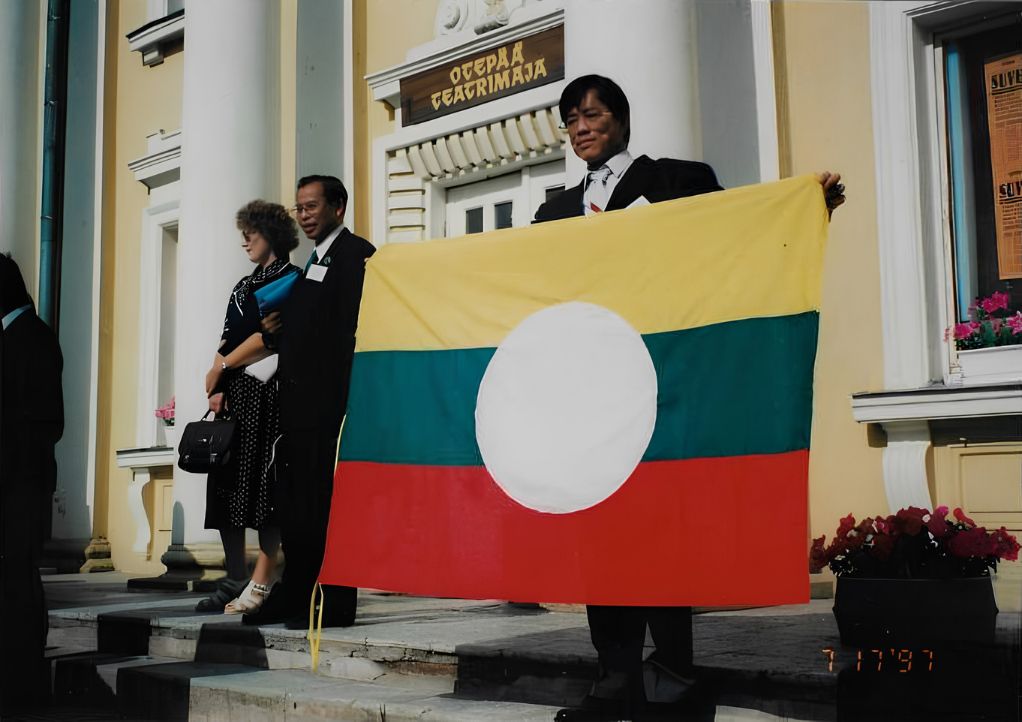
Sao Thura Hsamkar, known as Sao Thura Samka or Sakar in Burmese, passed away peacefully on September 2, 2026, at the age of 76. He was the son of Sao Khun Kyi, the last Saohpa of Hsamkar.
Born on February 13, 1950, in Rangoon (now Yangon), he arrived during his father’s official appointment as Chairman of the Shan State Council, a period shortly following Burma’s independence from Britain in 1948. In 1958, the government awarded him the title of “Mahathraysithu”. He later served as the Speaker of the House of Nationalities in 1960, receiving the prestigious “Thado-Thiri-Thudama” title.
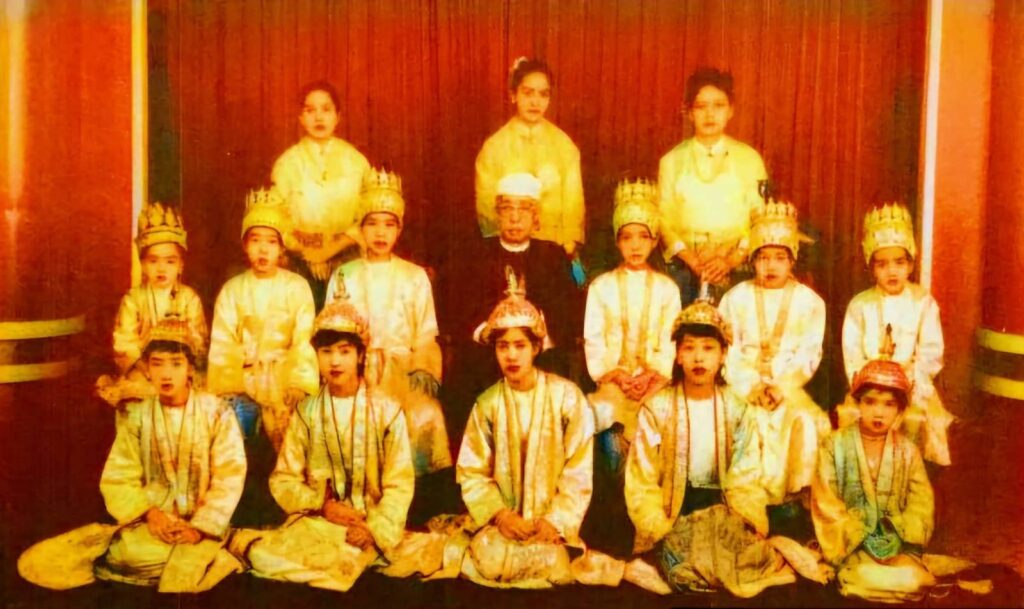
Back row, from left: Nang Mya Zin, Nang Mya Tin and Nang Mya Yin.
Middle row, from left: Sao Myint Htay, Sao Myint Htwe, Sao Myo Myint, Sao Khun Kyi, Sao Myo Tint, Sao Thura and Sao Myint Aye.
Front row, from left: Sao Nyunt Kyi, Sao Than Kyi, Sao Shwe Kyi, Sao Myo Kyi and Sao Mya Kyi.
Photo: Hsamkar Family Private Collection.
A graduate of the Rangoon Institute of Technology (RIT) in the mid-1970s, Sao Thura was an architect by profession. He worked in Malaysia and Singapore before migrating to Germany in 1986. He settled in Regensburg, in southern Bavaria, where he resided until the end of his life.
During his time in Burma, he was married and had a daughter, though he rarely spoke of her, even to this writer, who remained his close friend for decades. For over 20 years, he lived a happy life with his German companion, Christine Beiersdorfer. They had no children together.
A staunch Shan nationalist and democrat, Sao Thura maintained an unwavering commitment to the Shan cause throughout his life. I vividly recall his active role in the Shan literacy movement during his youth, where he taught patriotic songs to the new generation at the residence of the late Saya Sai Aung Tun in Taunggyi. Saya Sai Aung Tun, a prominent and revered figure among the Shan and other ethnic nationalities, was also the mentor of Khuensai Jaiyane and myself during our university days.
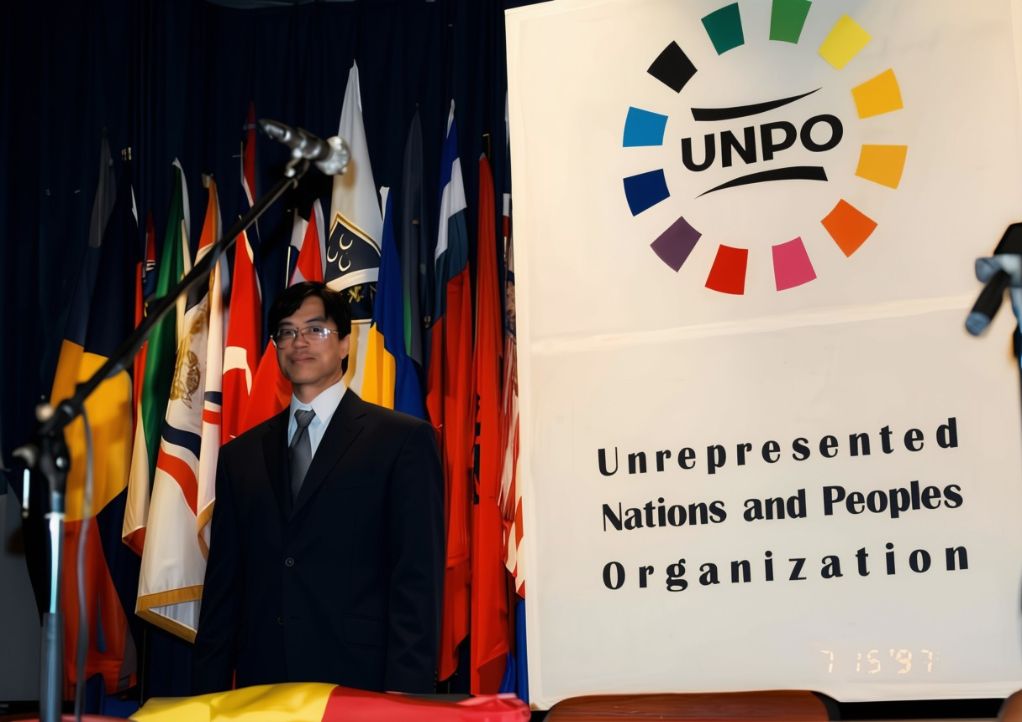
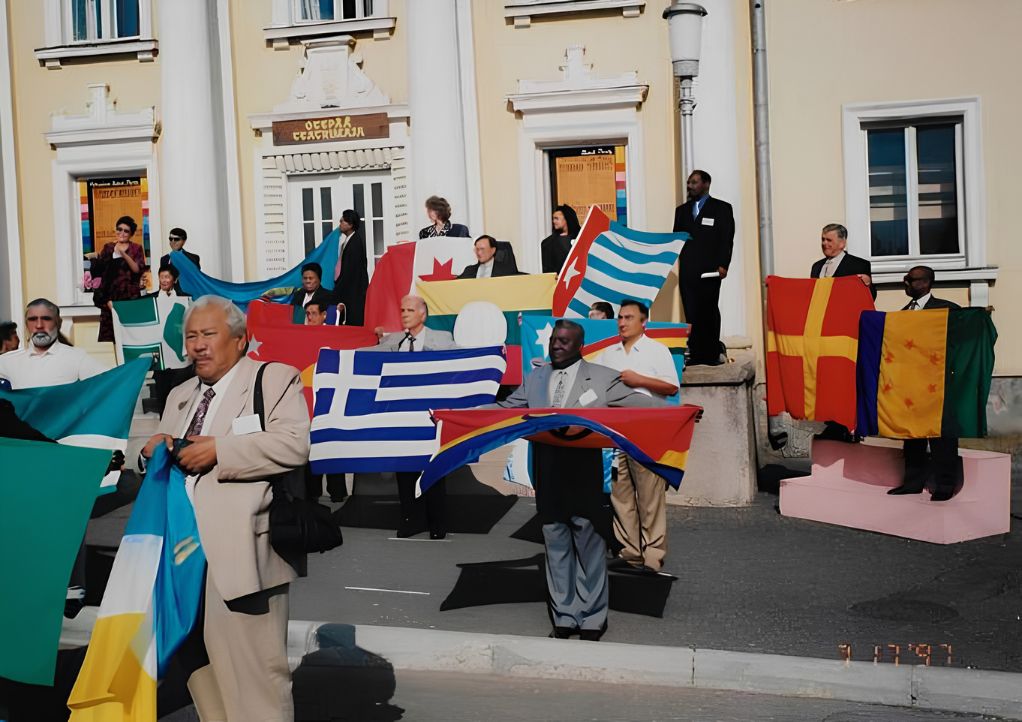
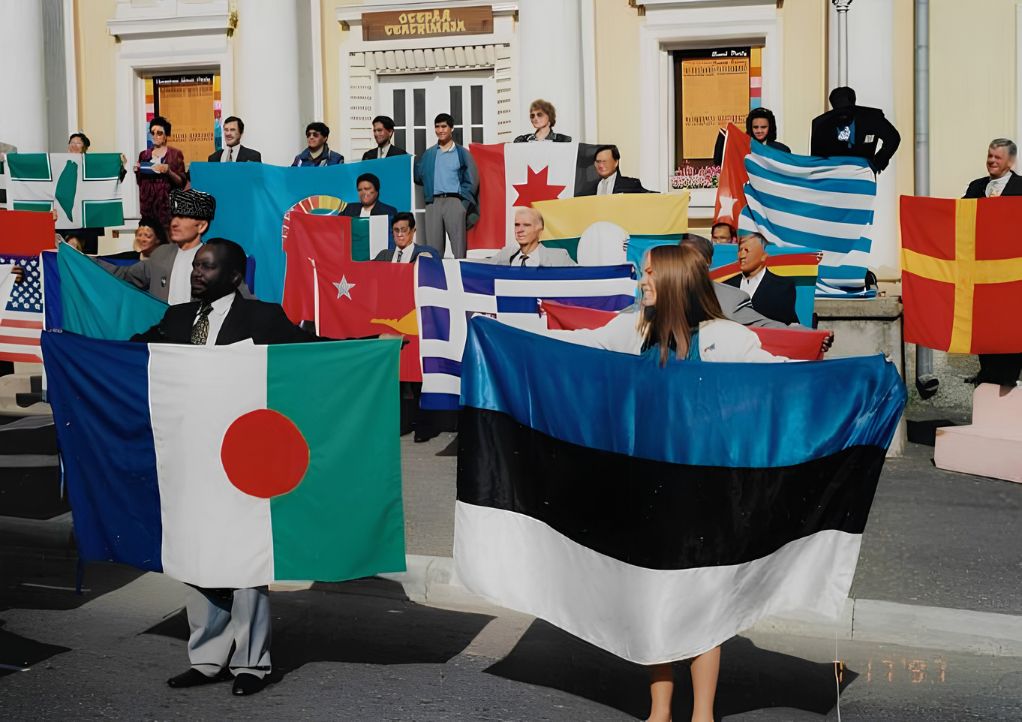
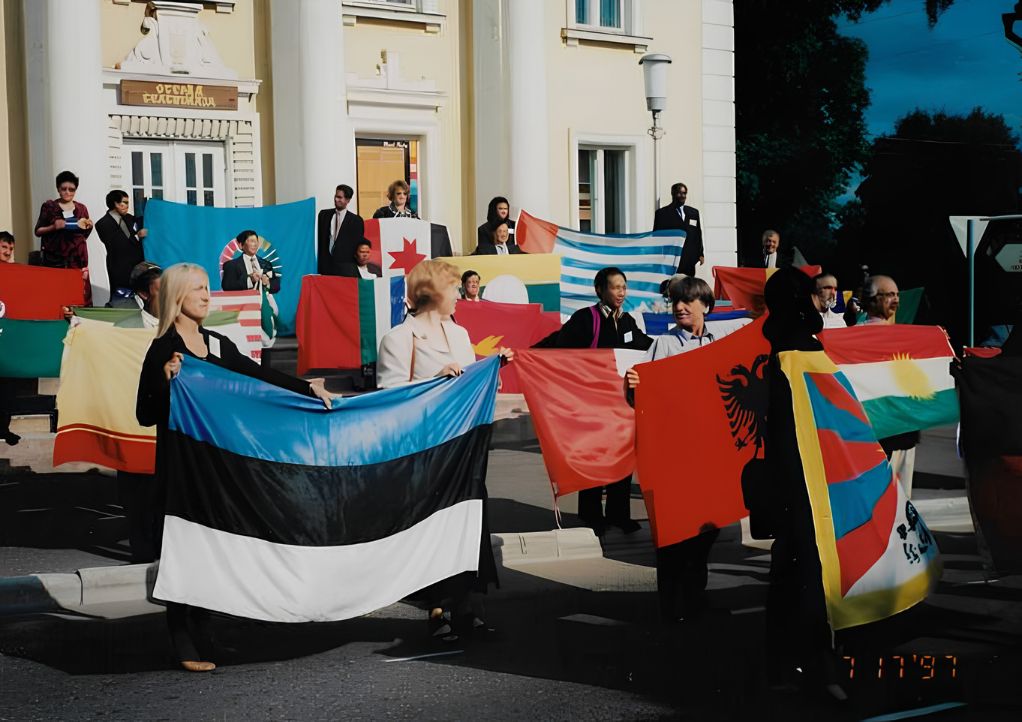
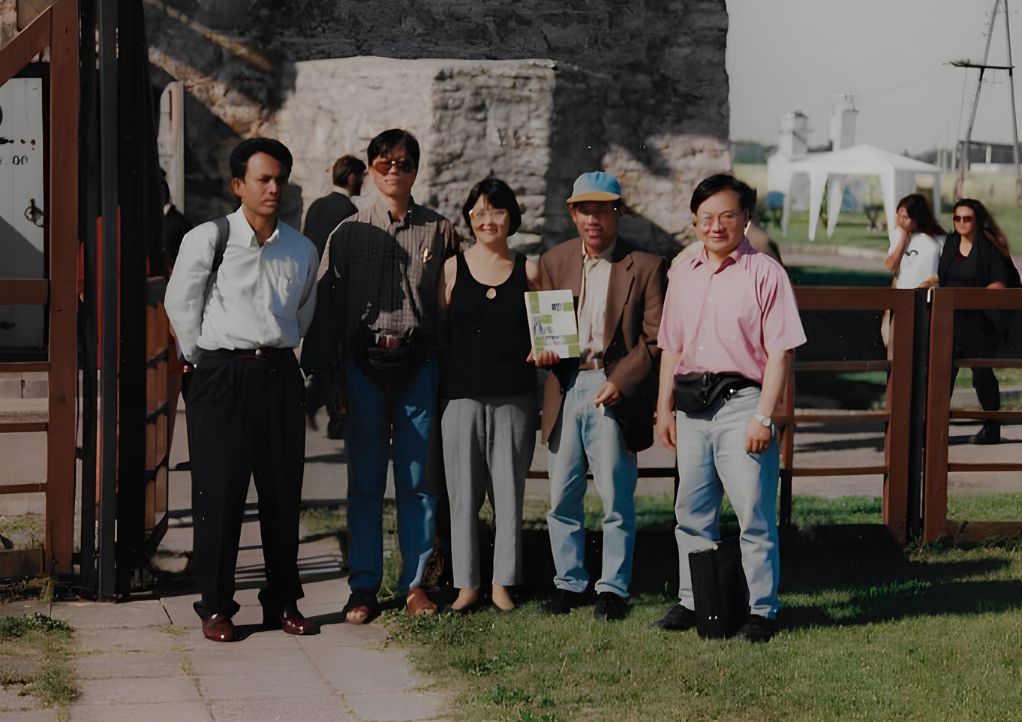
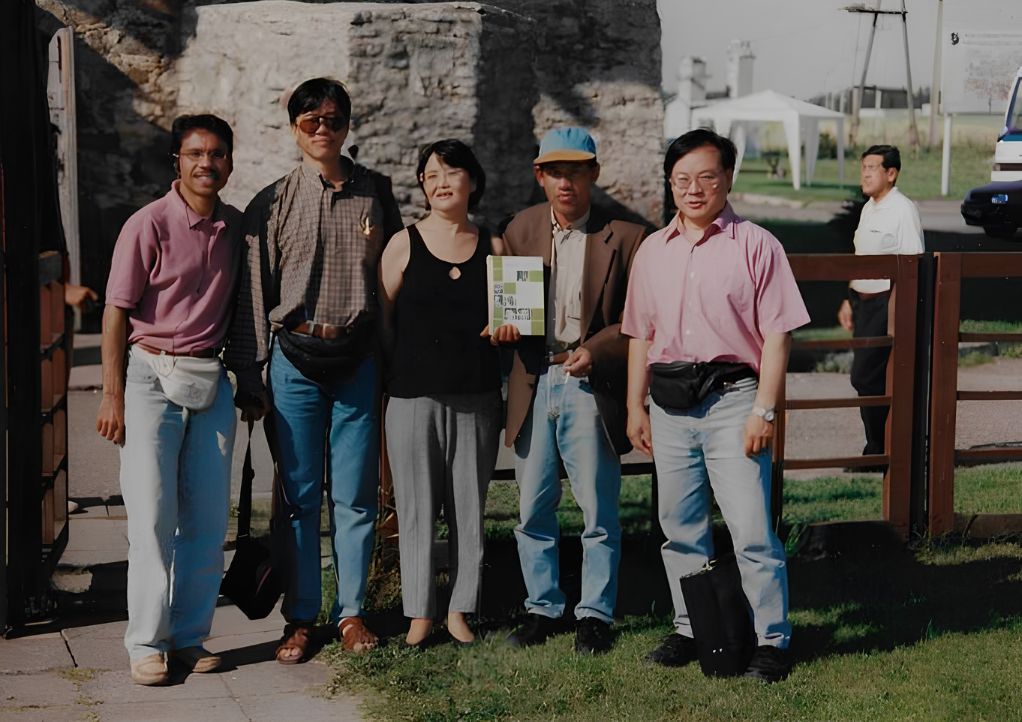
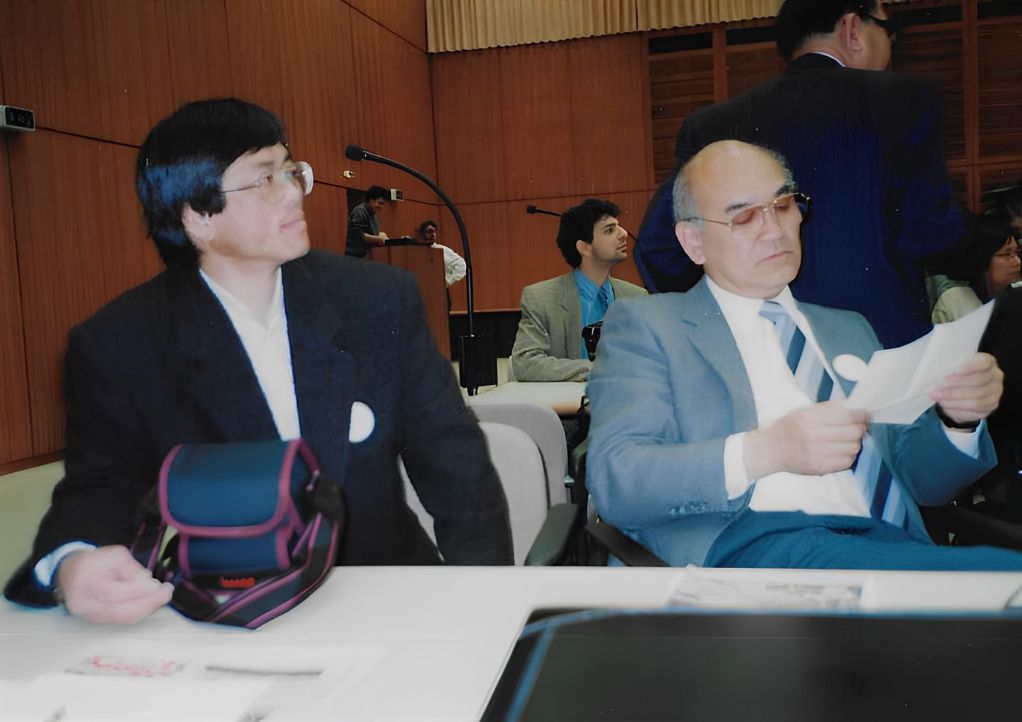
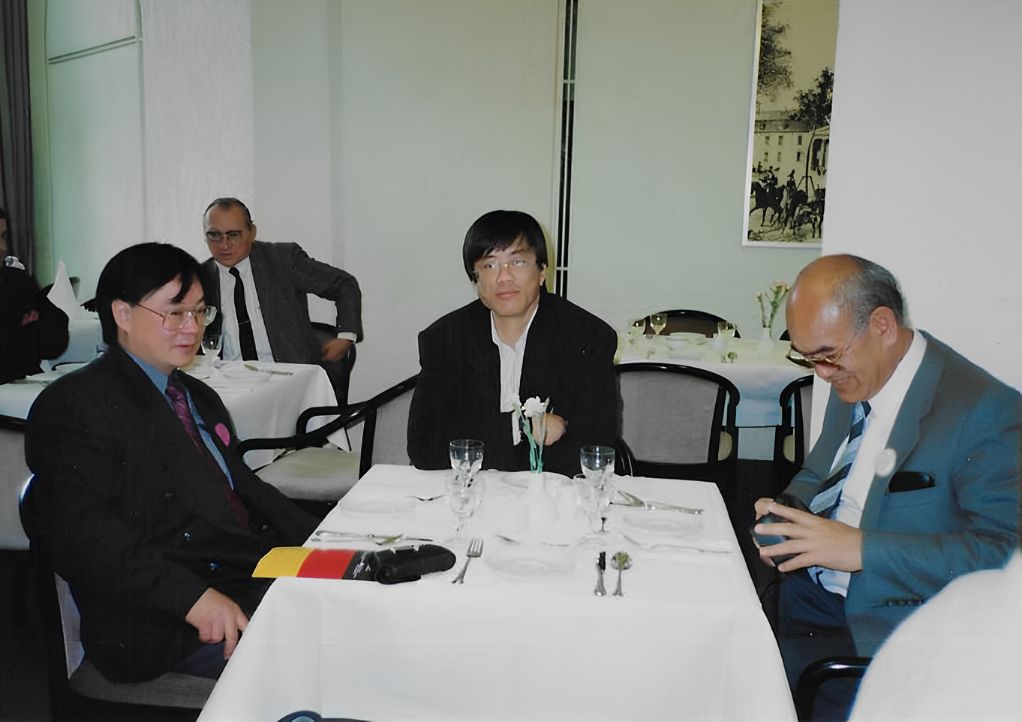
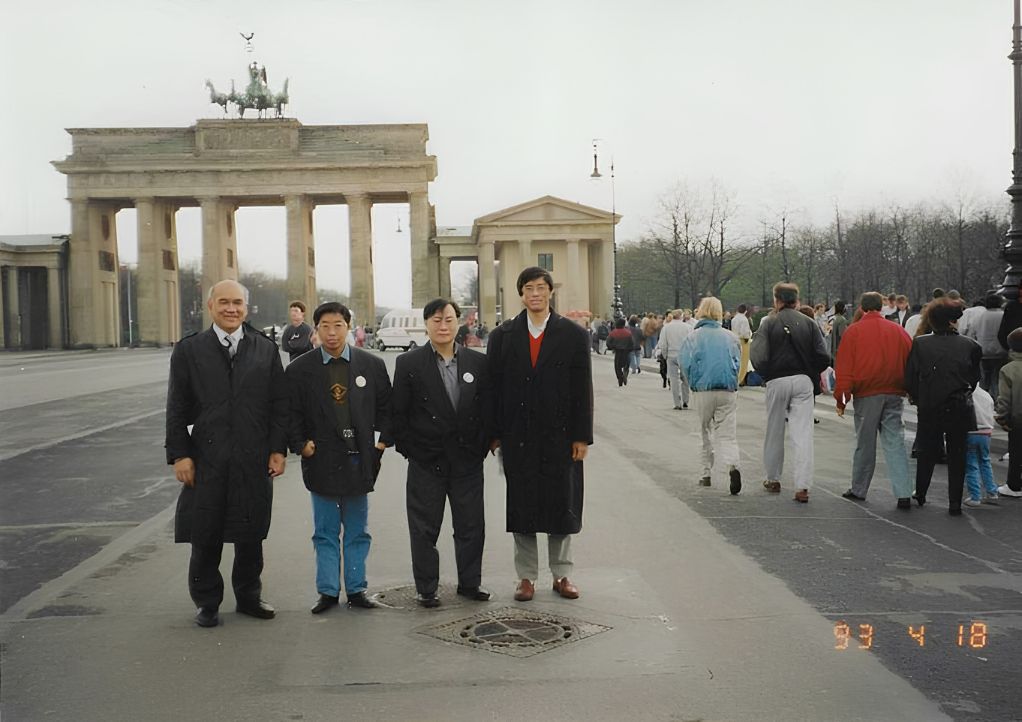
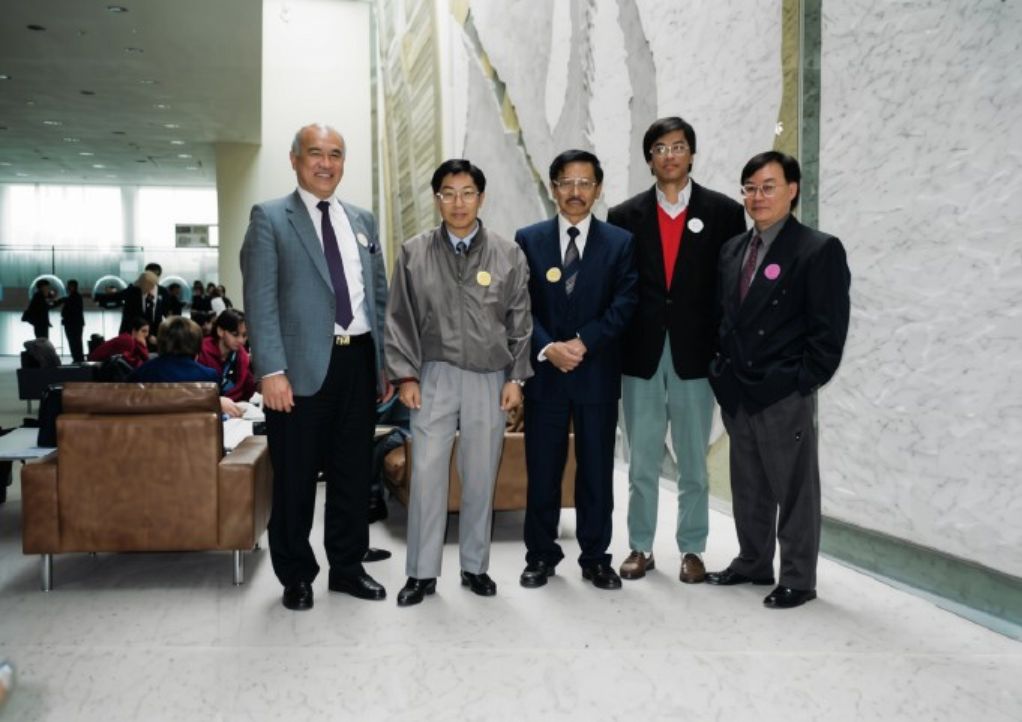
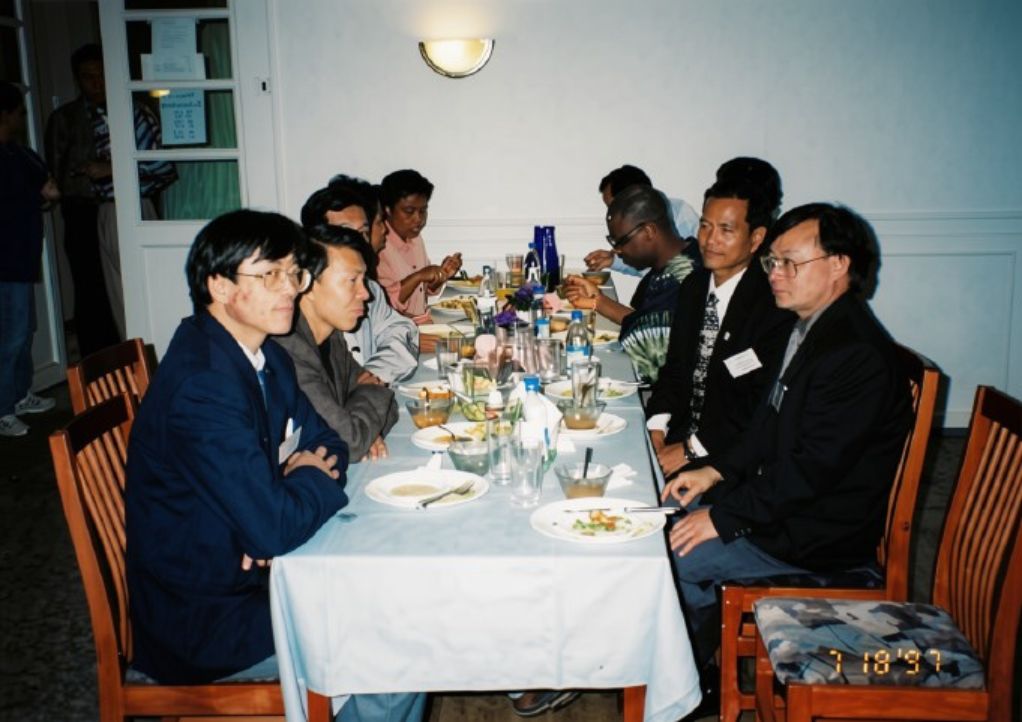
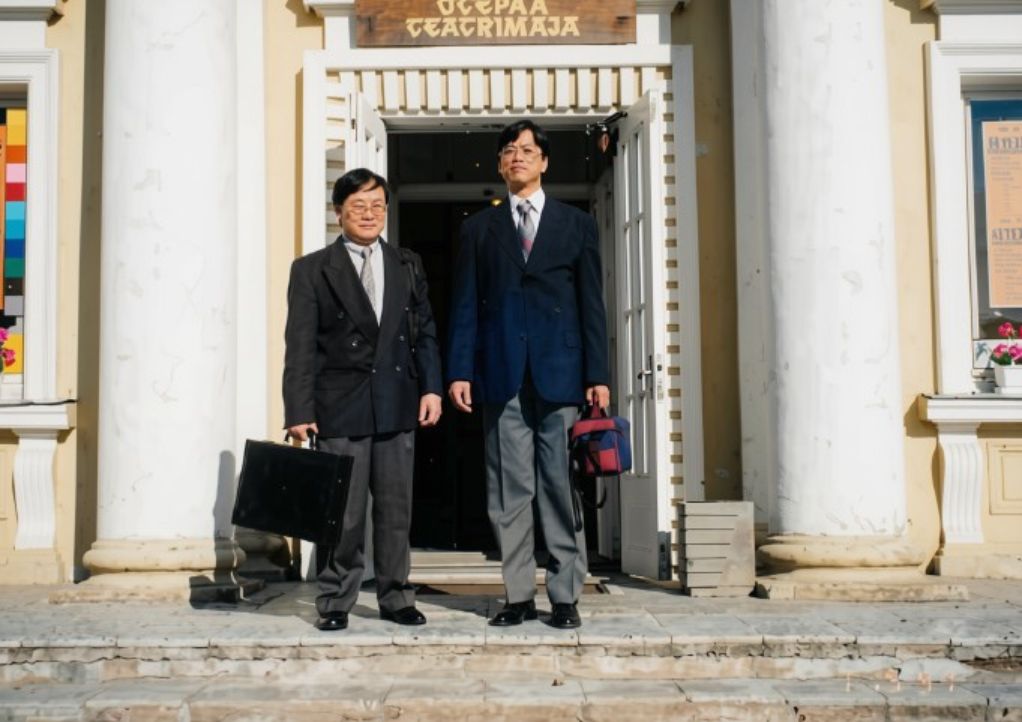
Even in his later years, Sao Thura remained actively involved behind the scenes in Shan affairs. A particular highlight of his advocacy was his work regarding the Shan’s participation in the Unrepresented Nations and Peoples Organization (UNPO). He took great pride in attending the UNPO General Assembly in Estonia in 1997, where he accompanied this writer as a representative delegate of the Shan people.
Those who knew him well will miss his hospitality, sincerity, straightforwardness, and immense kindness.
May his soul rest in peace. As a devoted Buddhist, like his late father, may he be reborn as a human or in a higher realm.


Leave a Comments