


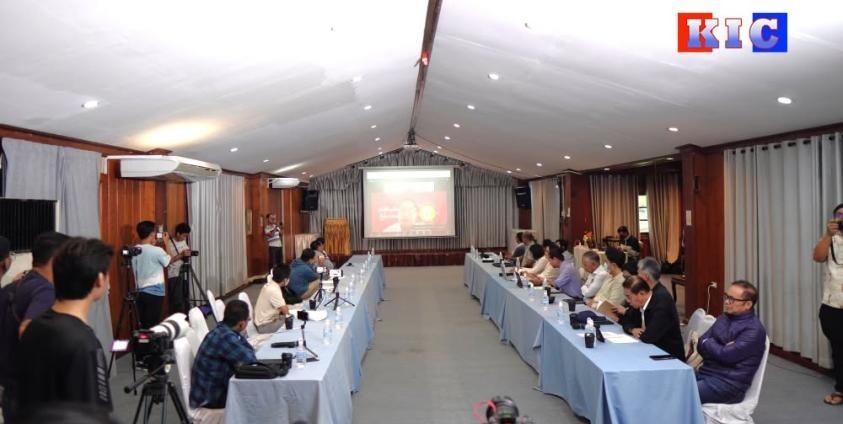
The recent announcement of the “Common Political Agreement” (CPA)by the National Unity Consultative Council (NUCC), National Unity Government (NUG), Committee Representing Pyidaungsu Hluttaw (CRPH), and regional councils in Sagaing and Mandalay was intended to be a beacon of unity. On paper, its principles are sound, calling for a unified front against the junta, a commitment to federalism, and the rejection of military politics. However, the backlash from within the revolution itself reveals a painful truth. A document cannot be “common” if it is drafted in isolation, and unity cannot be declared if it excludes those who hold the keys to the nation’s future. The criticism leveled at this move is not an attack on the content of the agreement but a scathing indictment of the process. By limiting the initial signatories to seven Bamar-dominated entities and presenting the draft as an “approved agreement” before inviting the Ethnic Revolutionary Organizations to consider it, the leadership has stumbled into a classic pitfall: the illusion of inclusion.

The Cost of a “Bamar-First” Approach
The revolution in Myanmar is not a monolith; it is a mosaic of diverse nations, each with its own history of struggle, autonomy, and trust issues. The Six-Party Steering Council for the Emergence of a Federal Democratic Union (SCEF), which is made up of NUG, CRPH, alongside major organizations like the Kachin Independence Organization (KIO), Karenni National Progressive Party (KNPP), Karen National Union (KNU), and Chin National Front (CNF), represents the backbone of the resistance in the borderlands. These groups have been fighting for decades, often before the current “Spring Revolution” began. When the CPA was announced, the message received by these ethnic partners was not one of partnership but of hierarchy. The sequence of events, drafting, signing, announcing, and then inviting comments, signals that the Bamar leadership views the ethnic groups as stakeholders to be managed rather than equal architects of the new nation. This approach is dangerous because it risks turning the “National Unity Government” into a “Bamar Unity Government” in the eyes of the field. If the SCEF feels that its role is merely to rubber-stamp decisions made in Naypyitaw or in exile, the cohesion of the revolution fractures, and trust, once broken, is nearly impossible to rebuild in the midst of a civil war.
The Role of Bamar Leadership: From “Carving” to “Building”
The criticism that the NUCC is desperate to carve out its political position cuts deep because it touches on a fundamental insecurity. Bamar leaders, often the loudest voices in the room, must realize that true leadership in a federal struggle is not about being the first to sign but the first to listen. To correct this course, Bamar leadership must adopt a new mindset that prioritizes co-creation over announcement. Any future political agreement must be drafted with the SCEF, including KIO, KNPP, KNU, and CNF, not for them. The process should be transparent and iterative, where the draft is a living document shaped by consensus rather than a finished product presented for approval. Furthermore, leaders must acknowledge that the Ethnic Resistance Organizations (EROs) are not new players. The KIO and CNF have decades of experience in federal negotiations, while the KNU and KNPP have fought for self-determination longer than the current Bamar leadership has been alive. Ignoring this experience in the drafting phase is not just an oversight but a strategic error. The people do not care about the political maneuvering of the diaspora; they care about a unified command and a shared vision, so the Bamar leadership must align their political actions with the reality of the war to ensure that political moves do not undermine military cooperation.
A Path Forward: The SCEF and the Bamar Core
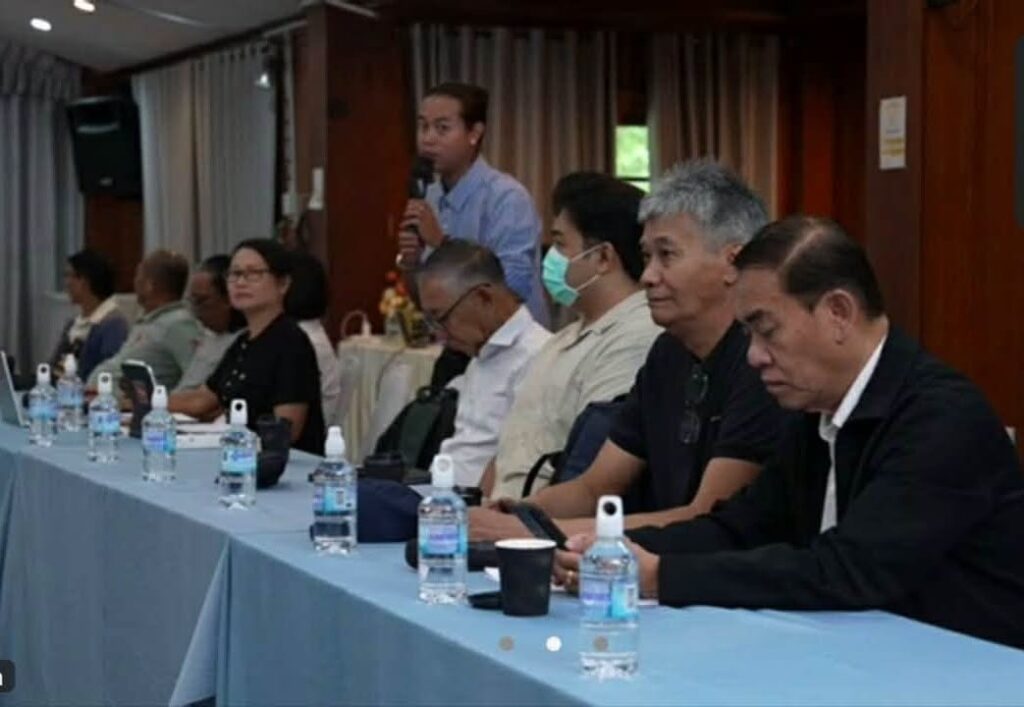
The relationship between the SCEF and the NUG and CRPH needs a reset, for the SCEF is not an adversary but the bridge to the ethnic states. For the revolution to succeed, the NUG and CRPH must work through the SCEF, not around it. The upcoming steps should involve establishing a joint drafting committee with equal representation from the Bamar core and the ethnic core to rewrite the CPA. There must be a moratorium on unilateral announcements, meaning no political agreement should be publicly announced as final or approved until all signatory groups have had a chance to negotiate and sign it simultaneously. Additionally, there must be transparency regarding the draft status, ensuring that if the current document is indeed a draft, it is labeled as such from the start with a clear invitation for the EROs to lead the revision process.
Conclusion
The “Common Political Agreement” has the potential to be a historic turning point, but only if it is truly common. The Bamar leadership has a unique opportunity to demonstrate humility and wisdom. By stepping back from the podium and sitting down at the table with the SCEF members, KIO, KNPP, KNU, and CNF as equals, they can transform a political misstep into a powerful lesson in federalism. The revolution does not need more announcements; it needs authentic unity. If the Bamar leaders can learn to listen before they speak, the path to a Federal Democratic Union will be clear. If they continue to prioritize their own political positioning over the collective will, they risk leaving the most powerful partners of the revolution on the outside looking in. The war is long, and the cost of division is too high to pay.





Leave a Comments