



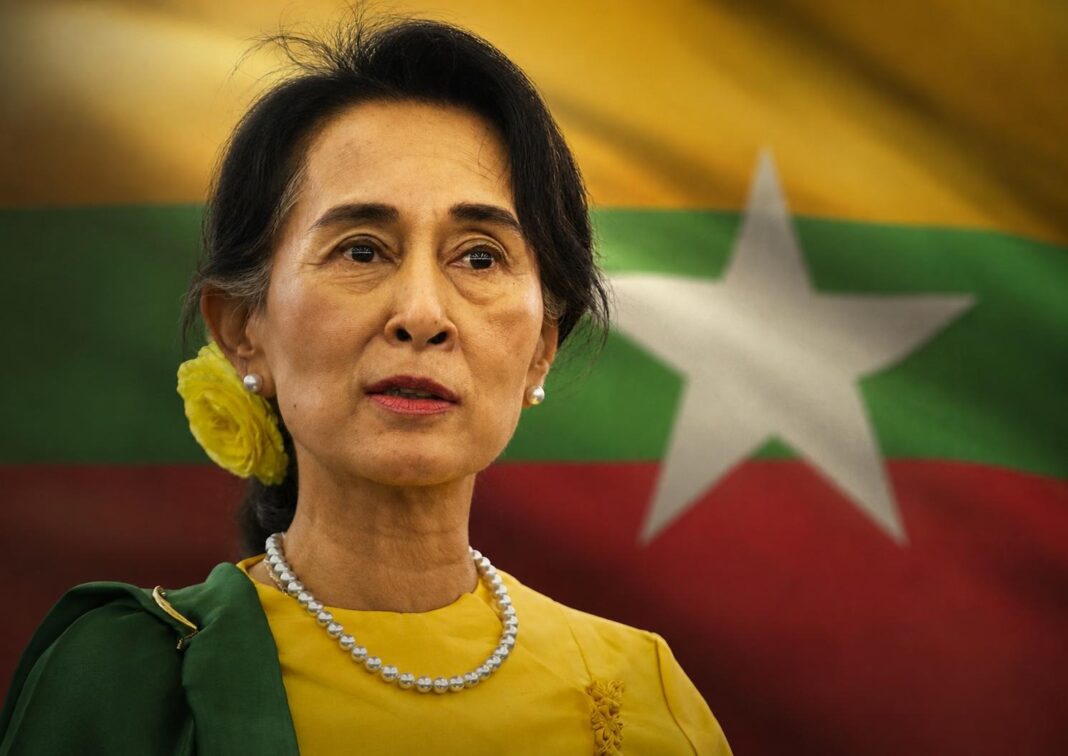
The detention of Aung San Suu Kyi by General Min Aung Hlaing’s military regime is not an isolated incident. It is the latest chapter in a centuries-old playbook of the Myanmar military, a playbook written in the blood of Shan leaders who dared to challenge its absolute authority. The current silence surrounding her fate, the “proof of life” controversy led by her son Kim Aris, and the international community’s hesitation to act, echo the tragic disappearances of Sao Kya Seng and Sao Shwe Thaik under General Ne Win in 1962. To understand the urgency of the current crisis, the world must look back at the fate of those who came before.
The Pattern of Erasure: A Military Mindset
The Myanmar military operates on a fundamental belief: political rivals are existential threats that must be eliminated, not debated. This mindset has remained consistent from Ne Win to Min Aung Hlaing. On March 2, 1962, Sao Kya Seng, the US-educated Prince of Hsipaw and a champion of federalism, was arrested by Ne Win’s coup forces. He was taken to a military camp and never seen again. The regime denied his detention for decades, and his remains were never found. His wife, Inge Eberhard, documented the horror in Twilight Over Burma, a story that remains banned in Myanmar today. Sao Kya Seng’s fate was to be erased—a warning to all who sought democracy.
The pattern of violence extended to Sao Shwe Thaik, the first President of Burma and a visionary for a federal union. Arrested in the same coup, he died in custody nine months later. The junta claimed a “heart attack,” but family accounts revealed his body turned an unnatural dark blue—a sign of poisoning in local folklore. The military’s refusal to allow an autopsy or acknowledge his political murder cemented a culture of impunity. His death left the federal vision unfinished, and the struggle for political harmony he championed has plagued the country ever since.
The Echoes in Aung San Suu Kyi’s Detention
The situation facing Aung San Suu Kyi today is hauntingly similar. Like Sao Kya Seng, she has been held incommunicado, with the regime refusing to allow independent medical checks or family visits. Just as rumors of poisoning swirled around Sao Shwe Thaik, fears now abound that she may have already died due to medical neglect or direct violence. Her son, Kim Aris, has rightly raised the alarm, calling for a “proof of life” that the regime refuses to provide. The military’s jealousy of her political clout and popularity mirrors the fear Ne Win felt toward the Shan princes. Both are viewed as symbols of a democratic order that the military cannot tolerate, and both are targeted for erasure to secure absolute control.
The ASEAN Litmus Test and the Junta’s Wedge
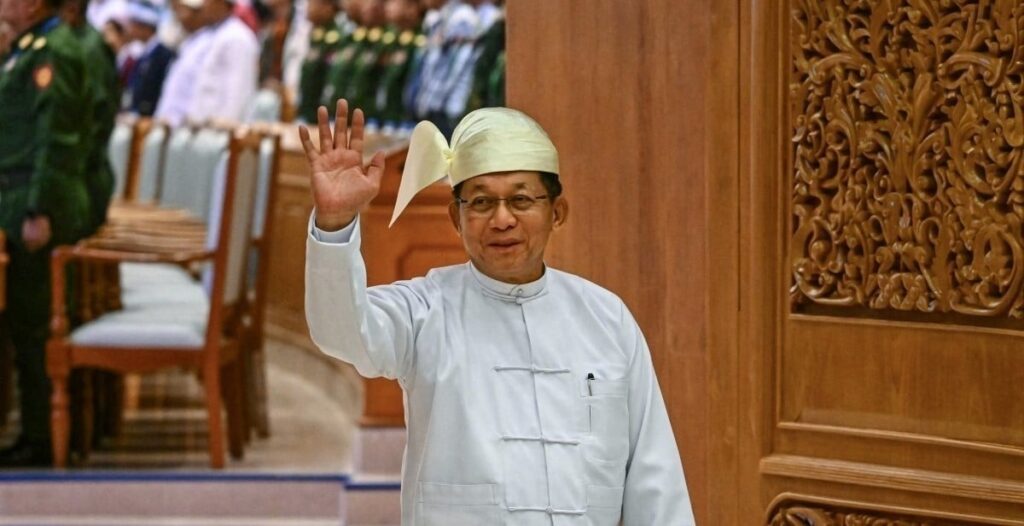
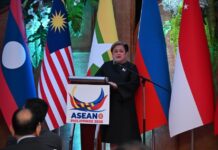
The international community, particularly ASEAN, is now at a critical juncture. The Philippines, as the current ASEAN Chair, has rightly identified the verification of Aung San Suu Kyi’s life as a litmus test for the junta’s adherence to the 5-Point Consensus. However, General Min Aung Hlaing is playing a dangerous game. He has openly rejected the 5-Point Consensus and is actively driving a wedge between ASEAN members, pitting those who demand accountability, like the Philippines, against those who prefer stability and engagement, like Cambodia and Laos. By creating this division, he hopes to normalize his rule and silence the “proof of life” campaign by arguing that the issue is an internal matter. This strategy of fragmentation allows the regime to maintain power while the international community remains divided.
A Call to the International Community
The historical record is clear: the Myanmar military does not negotiate; it eliminates. The fates of Sao Kya Seng and Sao Shwe Thaik were sealed not because they were criminals, but because they were leaders. The same logic now applies to Aung San Suu Kyi. The international community must act now, before history repeats itself with a third disappearance.
ASEAN and the UN must stop treating the junta’s silence as a diplomatic hurdle and start treating it as a crime. The demand for a “proof of life” for Aung San Suu Kyi must be non-negotiable. If the junta refuses, they must face immediate, targeted sanctions. The attempt by Min Aung Hlaing to wedge ASEAN members must fail. The bloc must present a united front. There is no middle ground when it comes to the potential murder of a democratically elected leader. Neutrality in the face of human rights violations is complicity.
The world cannot afford to wait sixty years to acknowledge the truth about Aung San Suu Kyi’s fate, just as it took decades to admit the truth about Sao Kya Seng. The “proof of life” campaign led by Kim Aris is not just a family plea; it is a global moral imperative. Supporting Aung San Suu Kyi is a way of honoring the memory of those who vanished in 1962. The struggle of the Shan people for federalism and democracy, led by Sao Kya Seng and Sao Shwe Thaik, is now the struggle of all Myanmar.
Conclusion
The military mindset has not changed. The tools of repression have evolved, but the goal remains the same: total control through fear and erasure. Aung San Suu Kyi’s detention is a warning. If the world allows her to disappear like Sao Kya Seng, or die in custody like Sao Shwe Thaik, it will signal to the Myanmar military that impunity is still the law of the land. The Philippines and the international community must rise to this challenge. The time for quiet diplomacy is over. The world must demand the truth, protect the living, and ensure that the ghosts of the past do not claim another victim.



Leave a Comments