



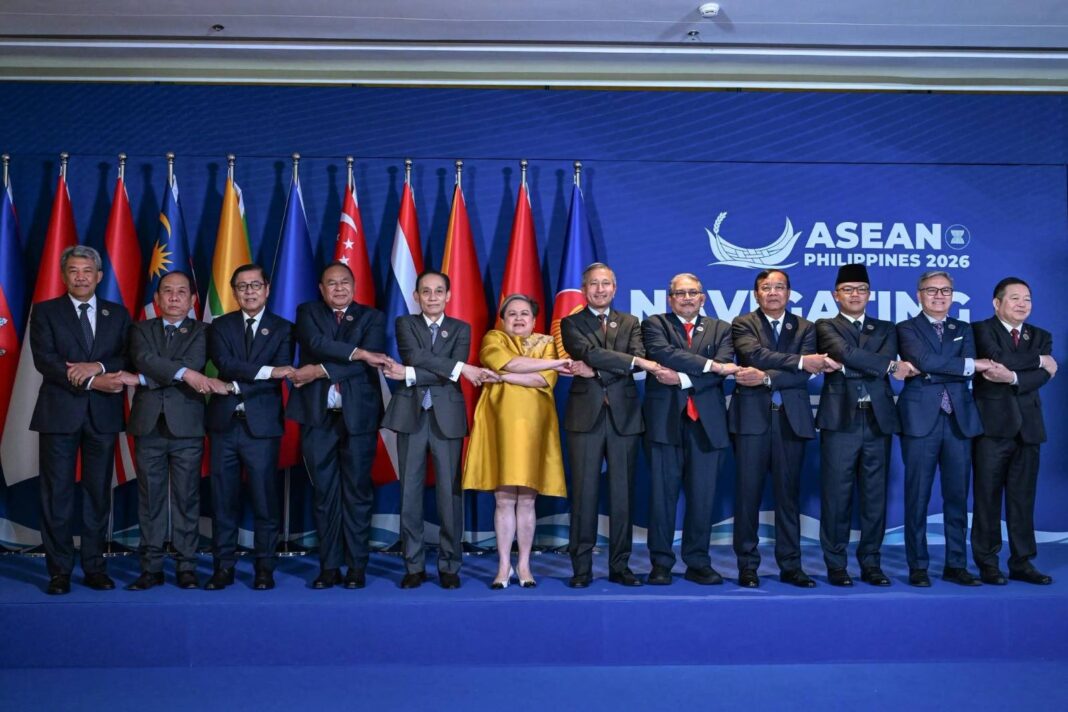
The diplomatic landscape surrounding the Myanmar crisis has reached a volatile inflection point, characterized by a dangerous convergence of false legitimacy, internal betrayal, and a crumbling regional consensus. As ASEAN foreign ministers prepare for an informal meeting in Bangkok on July 12, the bloc’s foundational peace framework, the Five-Point Consensus (5PC), faces an existential threat from two directions: the military regime’s formal rejection of the plan and the deepening divide within ASEAN itself regarding how to engage with a government born of fraud and blood.
The Junta’s Bad Faith Betrayal
The most alarming development emanates from within the junta’s own puppet institutions. The Myanmar parliament, dominated by military-proxy lawmakers, has officially passed a motion rejecting the Five-Point Consensus. This legislative act, driven by the Union Solidarity and Development Party, marks a defiant escalation in the junta’s long-standing campaign to undermine the very agreement it initially feigned to accept. By labeling the consensus an illegitimate imposition and a violation of sovereignty, the regime has stripped away any remaining pretense of cooperation. This move is particularly sinister given that it coincides with Min Aung Hlaing’s self-declaration as president following a manipulated election that the world has largely dismissed as a sham. The regime’s attempt to rebrand itself as a civilian government through a fraudulent process, only to subsequently reject the regional peace plan that excludes its leader from summits, reveals a strategy of bad faith designed to paralyze ASEAN’s diplomatic leverage.
A Policy Reversal in Manila
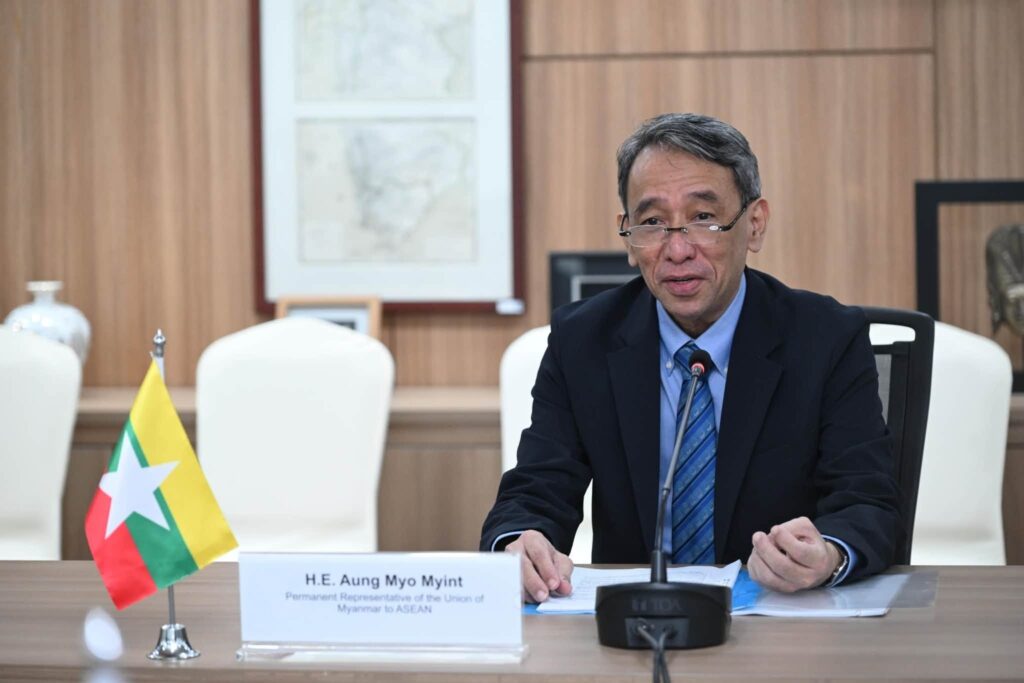
This internal rejection by the junta is compounded by a startling policy reversal from the Philippines, the current ASEAN chair. Just two weeks after Philippine Foreign Minister Maria Teresa Lazaro requested a meeting with detained opposition leader Aung San Suu Kyi—a request that was categorically refused by the military—Manila has announced it will proceed with the Bangkok meeting with the junta’s foreign minister. This shift from demanding preconditions to engaging without them has drawn fierce criticism from the Special Advisory Council on Myanmar (SAC-M), which warns that such a move rewards the regime’s violence and defiance. The council argues that engaging the foreign minister of a regime that has killed tens of thousands and holds over twenty-two thousand political prisoners sends a message of failure to the international community and betrays the aspirations of the Myanmar people. The timing is especially galling, occurring while the regime continues to intensify its campaign of violence, claiming over a hundred thousand lives and displacing millions.
The Dual-Track Dilemma
Yet, the narrative is not entirely one-sided, offering a glimmer of complexity in the diplomatic maneuvering. While the junta seeks legitimacy through the main ASEAN channel, Thailand has reportedly initiated separate, informal discussions with the National Unity Government (NUG) and various ethnic armed organizations, including the Karen National Union (KNU), Karenni National Progressive Party (KNPP), Chin National Front (CNF), Restoration Council of Shan State (RCSS), and New Mon State Party (NMSP). This dual-track approach suggests that even the pro-engagement camp recognizes that a solution cannot be found solely through the junta. By meeting with the resistance forces separately, Thailand may be attempting to gauge the ground reality or prepare for a future where the junta’s isolation becomes untenable. However, this fragmented diplomacy risks creating confusion, as the official ASEAN track moves toward normalizing the junta while unofficial channels keep the door open for the legitimate representatives of the people.
The Rise of the Federal Coalition
The situation is further complicated by the formation of the Steering Council for the Emergence of a Federal Democratic Union (SCEF), a new coalition uniting the NUG, the Committee Representing Pyidaungsu Hluttaw (CRPH), and major ethnic armed organizations like the Kachin Independence Organization (KIO), KNPP, KNU, and CNF. This alliance represents a unified front that is increasingly marginalized by the official ASEAN process. The rejection of the Five-Point Consensus by the junta’s parliament, coupled with ASEAN’s decision to meet the junta’s foreign minister, effectively signals that the bloc is choosing to engage with the aggressor while ignoring the victims. This dynamic threatens to render the Five-Point Consensus obsolete, not because it was flawed, but because its proponents have lost the political will to enforce it. The regime’s strategy of rejection and rebranding, supported by the tacit approval of some ASEAN members, has created a vacuum where the only voice left for the Myanmar people is that of the resistance, which is systematically excluded from the table.
A Crossroads for ASEAN
As the July 12 meeting approaches, the stakes could not be higher. If ASEAN proceeds with engagement without preconditions, it will have effectively abandoned its moral authority and its commitment to the people of Myanmar. The regime, emboldened by the rejection of the peace plan and the prospect of a high-level meeting, will likely view the international community’s hesitation as a green light to continue its military offensives. The split within ASEAN, between those who prioritize stability and engagement and those who demand justice and inclusivity, risks fracturing the bloc’s unity and its ability to act as a cohesive regional force. The November summit in Laos will serve as the ultimate test of whether ASEAN can still find a path forward that includes the true representatives of the Myanmar people or if it will succumb to the Realpolitik of legitimizing a regime that has shown no regard for the lives it has destroyed. The choice is stark: either ASEAN rediscovers its commitment to the principles of democracy and human rights, or it becomes a bystander to the continued unraveling of a nation, having handed the keys of legitimacy to those who stole them.





Leave a Comments