



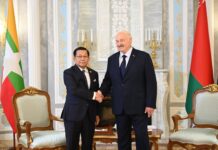
The diplomatic opening and the shadow of the past cast a long shadow in today’s Myanmar political arena, especially where the military junta is concerned. After five years of isolation, a fragile diplomatic opening has finally emerged in Myanmar’s crisis. In early July 2026, Myanmar’s junta-appointed Foreign Minister Tin Maung Swe met face-to-face with ASEAN foreign ministers in Bangkok, followed by separate talks with six ethnic armed organizations in Pattaya. The initiative, led by Thailand and the Philippines as ASEAN Chair, promises a “calibrated re-engagement” aimed at reviving the stalled Five-Point Consensus. Yet beneath the veneer of diplomatic progress lies a stark reality: the junta is not engaging out of a desire for peace, but out of a deep-seated fear that genuine diplomatic engagement could lead to the kind of political shift that cost it power in 2015.
The “Talks for Talks” Trap
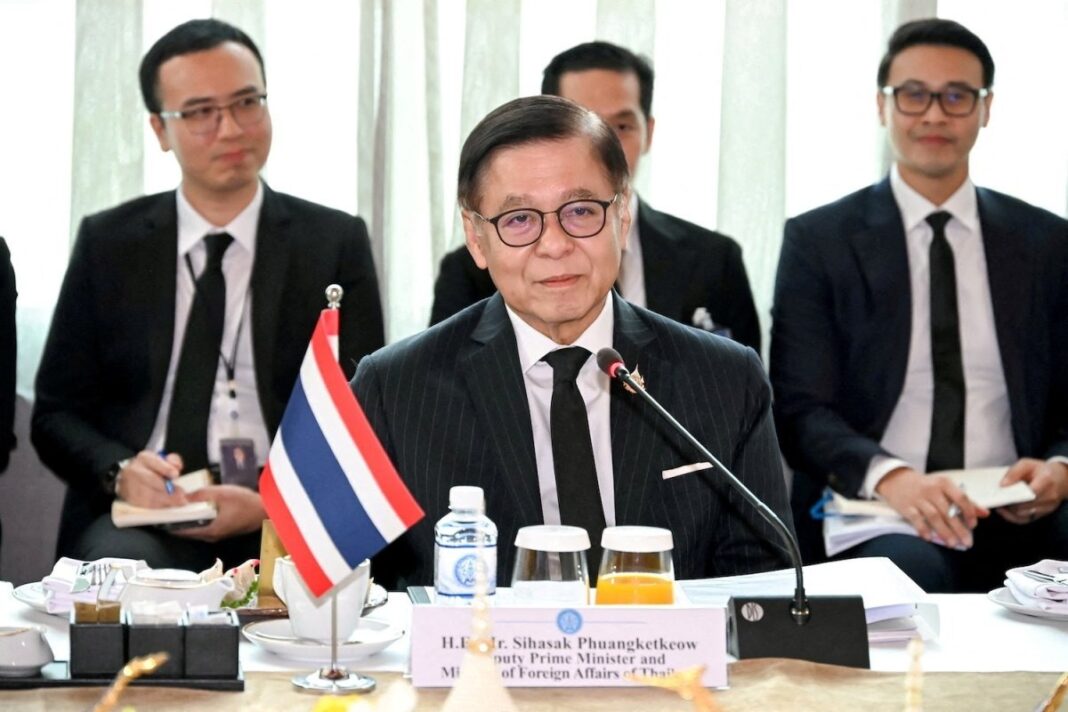
Thailand’s Foreign Minister Sihasak Phuangketkeow described the current phase as “talks for talks,” a preliminary effort to determine how and where formal negotiations might occur. While this sounds pragmatic, it risks turning diplomacy into a delay tactic. The junta has already rejected the Five-Point Consensus on July 9, 2026, yet ASEAN is now offering it a seat at the table without demanding prior compliance. This reversal, granting access before progress, undermines the core principle of the consensus: that political engagement must follow meaningful behavioral change. As the Steering Council for the Emergence of a Federal Democratic Union warned in its July 15 press statement, no party can simultaneously wage unrestricted military operations against civilians while claiming to seek meaningful political dialogue. Without concrete actions such as ending airstrikes, releasing political prisoners, and allowing humanitarian access, these talks risk becoming a smokescreen for normalization rather than a path to peace.
The Aung San Suu Kyi Litmus Test
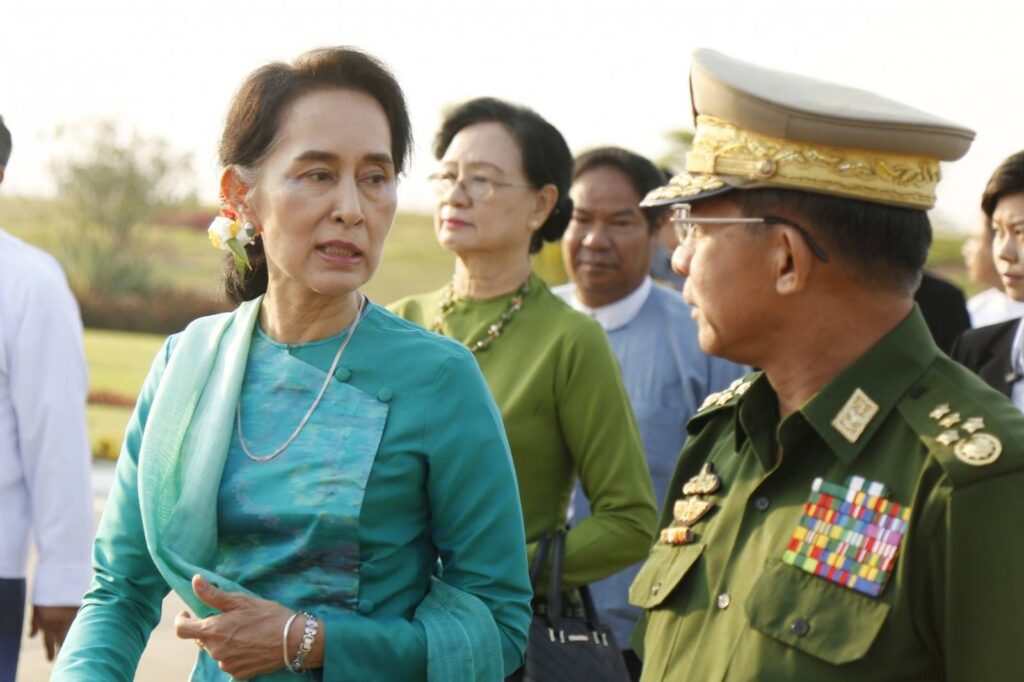
The true test of the junta’s sincerity lies in its willingness to allow ASEAN’s special envoy to meet detained former leader Aung San Suu Kyi. Thailand has made this a key demand, framing it as a gesture of good faith, but internal junta communications reveal deep resistance. According to a July 16 report from the Myanmar Pressphoto Agency, pro-junta lobbyist Nari Moe warned that granting access to Suu Kyi could lead to a repeat of the 2015 election, where the National League for Democracy won a landslide and the military-backed party lost power. This fear is not abstract but existential. The junta knows that releasing Suu Kyi could unlock a chain of demands including the release of other political prisoners, the recognition of the National Unity Government, and ultimately, a transition to civilian rule. For ASEAN, the question is whether it will accept a dialogue that excludes the person at the heart of the political crisis or insist that access to her is non-negotiable.
The Junta’s Strategic Calculus
The junta’s engagement strategy is not about peace but survival. By participating in informal talks, it hopes to legitimize its rule without making real concessions, fragment the opposition by engaging ethnic groups separately from the democratic resistance, and buy time to consolidate military gains while diplomatic pressure eases. This is not speculation as the junta has already shown it can use diplomacy to delay. In 2021, it agreed to the Five-Point Consensus but never implemented it, and in 2023, it hosted a peace conference that excluded key stakeholders. Now in 2026, it is repeating the pattern. As the resistance council stated, political will is demonstrated through actions and the burden of demonstrating that will rests entirely with the military leadership. Until the junta takes verifiable steps toward de-escalation and inclusivity, any dialogue remains suspect.
A Changed Battlefield, A Stalemate in Diplomacy
The military no longer controls the entire country as large swathes of territory are now governed by the National Unity Government, ethnic armed organizations, and local administrative bodies. The resistance rightly points out that Burma today is no longer governed exclusively from Naypyitaw. Yet ASEAN continues to treat the junta as the sole legitimate representative of the state, which ignores the reality on the ground and undermines the credibility of the peace process. Thailand’s offer to host future talks is well-intentioned, but without a unified position from all stakeholders, it risks becoming a venue for fragmented talks that lead nowhere.
Conclusion: Principle Over Pragmatism
ASEAN stands at a crossroads where it can choose the path of pragmatic normalization, granting the junta diplomatic cover without demanding change, or it can choose principled engagement, using access as leverage to secure real progress. The latter is harder and risks alienating the junta and slowing short-term dialogue, but it is the only path that leads to sustainable peace. As the resistance concluded, their objective is not political normalization but a political transition that must end military domination and establish a Federal Democratic Union. If ASEAN truly wants peace, it must stop treating the junta as a partner and start treating it as a party that must earn its way to the table because peace cannot be negotiated by one side while the other holds the gun. True dialogue begins only when the junta proves it is ready to lay down its weapons and not just its diplomat’s briefcase.




Leave a Comments