


A growing wave of drug overdoses inside karaoke (KTV) lounges is claiming the lives of young people in Muse, a key Myanmar-China border town, while critically ill overdose patients are being denied entry into China for emergency medical treatment.
On July 24, three young men inhaled ketamine, locally known as “K,” at a popular KTV venue in Muse. According to the Muse Rescue Association, two of them died—one inside the KTV and the other while being transferred to Lashio for emergency treatment. The third remains in critical condition.
“They were just young people. Out of the three, two died. One died on the way to the hospital, the other at the hospital, and the third is still in critical condition. Recently, fatal K overdoses in KTVs have been occurring quite frequently,” a Muse resident familiar with the incident told SHAN.
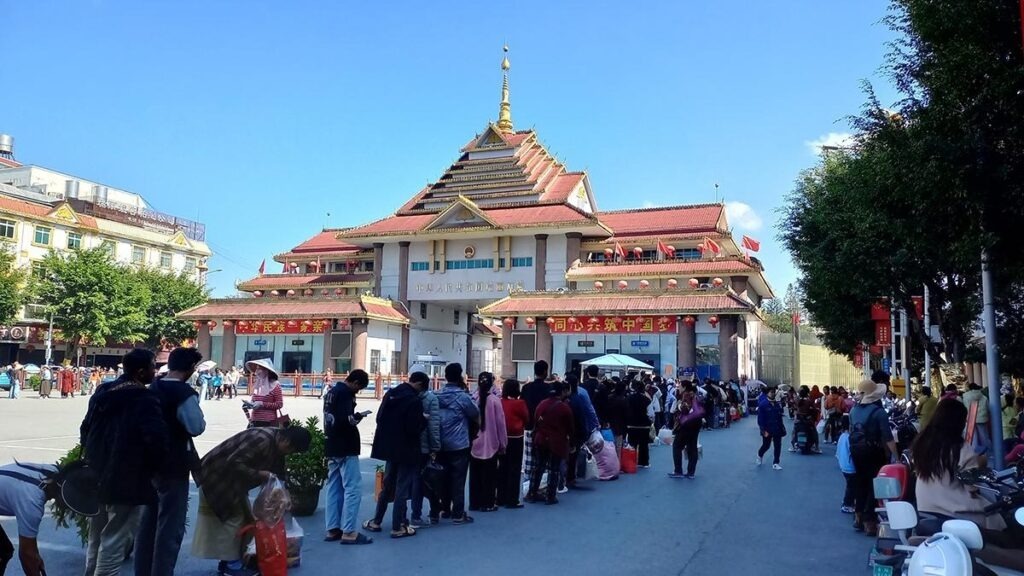
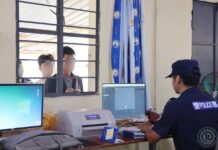
When overdose victims require urgent medical care, their families often try to take them across the border to Ruili, China, where hospitals are better equipped to provide emergency treatment. However, Chinese authorities have been strictly denying entry to anyone who tests positive for narcotics at border checkpoints, regardless of their medical condition.
On July 22, an unconscious ketamine overdose patient was taken to the Nan Daw Gate border crossing for emergency transfer to China. After the patient tested positive for narcotics, Chinese border officials refused entry, forcing the ambulance to return to Muse General Hospital.
“Because the patient tested positive for drugs, the Chinese side completely refused entry. Even though we had already arranged border crossing passes, we couldn’t take the patient to Ruili and had to return to Muse General Hospital,” a member of the local rescue team assisting the patient told SHAN.
According to the rescuer, another person who had consumed drugs alongside the patient later died.
Residents say a wide range of synthetic and illicit drugs—including “Happy Water,” ketamine, WY stimulant tablets, and heroin—are readily available in Muse’s entertainment venues, posing a serious threat to the town’s youth.
In an interview with SHAN, Ko Bran Lat, head of the Bawa Thit Youth Development Training School in Muse, said drug abuse has worsened significantly since Myanmar’s 2021 military coup.
“Nowadays, because of the country’s situation, drug use has increased noticeably. If I had to estimate, it has risen by about 50 percent. Both the number of users and dealers has grown. In some households, two out of three family members are using drugs,” he said.
He attributed the rise in drug use to mounting psychological distress, political instability, and economic hardship.
“As pressure builds because of the country’s instability and economic difficulties, many people turn to drugs. When we ask young people why they started using them, many say it was because they couldn’t find work or became involved with traffickers while trying to earn a living through small businesses,” he added.
According to a recent report by the United Nations Office on Drugs and Crime (UNODC), ongoing armed conflict in Myanmar has transformed Shan State into a major hub for transnational criminal syndicates. The report says synthetic drug production has become increasingly intertwined with online scam operations, while mass overproduction has driven stimulant prices to record lows, flooding the market and making narcotics more accessible than ever, particularly to young people.
Caught between a worsening domestic drug crisis and China’s strict zero-tolerance anti-narcotics policy at the border, young people in Muse are not only dying from overdoses but are also being denied access to potentially life-saving emergency medical treatment.







Leave a Comments