


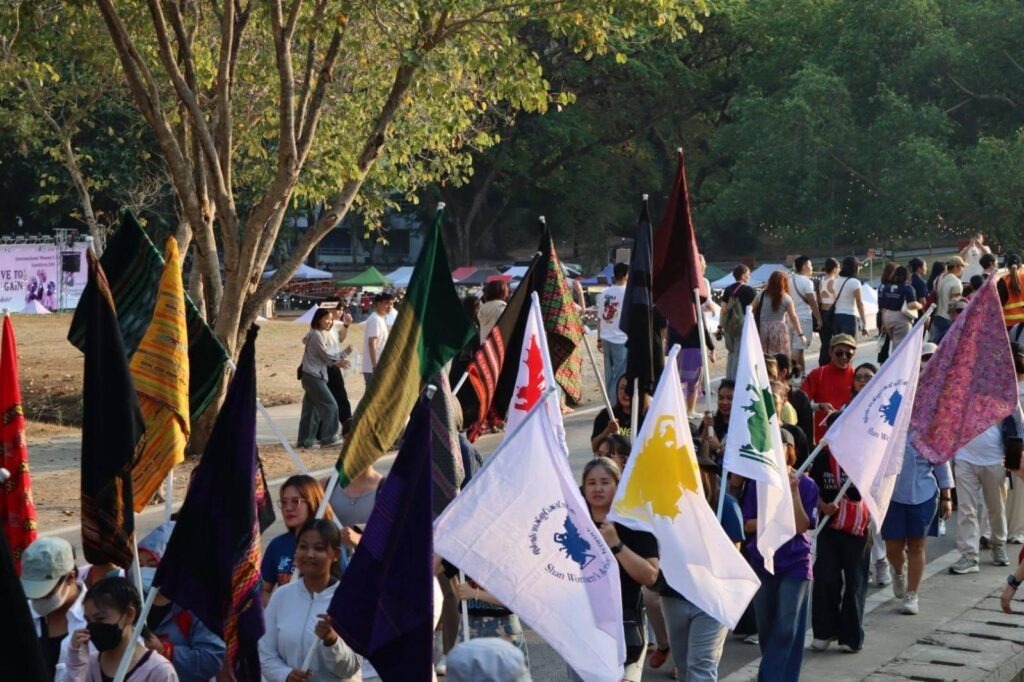
A new report released on July 30 by the Shan Women’s Action Network (SWAN) says sexual and gender-based violence (SGBV) remains widespread across Shan State, while survivors continue to face significant barriers to justice amid ongoing armed conflict.
The report, Justice Denied in the Face of Violence: Sexual and Gender-Based Violence and Access to Justice, finds that protracted conflict and mass displacement have further weakened already fragile justice systems, leaving women and girls increasingly vulnerable to violence and exploitation.
“Our findings show that violence against women and girls in Shan State remains a severe and pervasive human rights crisis,” said SWAN’s Empowerment Coordinator.
SWAN documented 172 cases of sexual and gender-based violence across Shan State. Of those, 89 cases (51.7%) involved domestic or intimate partner violence, most of which was allegedly committed by husbands or intimate partners. The report says widespread drug abuse has further fueled the violence.
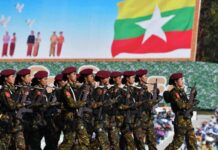
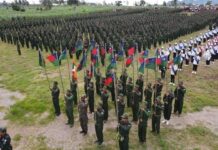
The report also documented 70 cases of rape and attempted rape, including 30 involving children under the age of 18. The youngest survivor was three years old. Members of armed groups—including the Myanmar military and ethnic revolutionary organizations (EROs)—accounted for 15% of the alleged perpetrators.
The findings also highlight the heightened vulnerability of people with physical or mental disabilities. Seven of the documented cases resulted in murder, while another seven involved suicide or attempted suicide linked to trauma, according to the report.
The report found that access to justice remains severely limited. Only about half of the 172 documented cases resulted in any form of formal resolution or disciplinary action. More than 70% of survivors initially reported incidents to village leaders, who often dismissed domestic violence as a “private family matter.” Instead of ensuring protection or holding perpetrators accountable, local authorities frequently pressured survivors into forced marriages or demanded private settlement payments.
“Survivors not only carry the psychological trauma of violence, but also face enormous barriers to obtaining justice, safety, and support,” the SWAN’s officer said.
According to SWAN, survivors of sexual and gender-based violence allegedly committed by members of the Myanmar military and ethnic revolutionary organizations face additional risks, including intimidation, suppression of their cases, and widespread impunity for perpetrators.
The organization urged village administrations, ethnic revolutionary organizations, and other actors involved in local justice mechanisms to adopt survivor-centered approaches that ensure accountability, provide comprehensive support services, and challenge harmful gender norms that perpetuate violence.
The report also called on the international community to impose targeted sanctions on the Myanmar military, strengthen enforcement of a global arms embargo, support international accountability mechanisms—including the UN Independent Investigative Mechanism for Myanmar (IIMM) and efforts to pursue accountability through the International Criminal Court (ICC)—and provide sustained financial assistance to women-led civil society organizations in Myanmar.





Leave a Comments