




Land prices in Baw Hseng Village, Kalaw Township, have nearly doubled as expanding mining operations and mounting gambling-related debt drive the rapid sale of farmland, residents say.
Local residents report that land is being acquired by Chinese mining companies and independent miners seeking lead deposits. They say the growing demand for mining sites has pushed land prices from about 8.5 million kyats per acre in previous years to nearly 20 million kyats.
“Most of the lead mines are operated by Chinese companies under long-term contracts, though some locals also engage in small-scale mining,” a resident told SHAN. “Our community once used this land to grow betel vines and other perennial crops, but it is now being excavated for minerals.”
Residents say the expansion of online gambling has compounded the land crisis. Many landowners have mortgaged their properties to repay gambling debts but have been unable to redeem them, forcing them to sell their land. They say this has accelerated the transfer of farmland to outside mining interests.
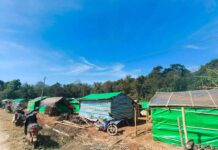
The environmental impact has been swift. Forested hillsides have given way to mining sites, temporary plastic shelters, and exposed earth.
“Back in 2020, the forests along the road to Baw Hseng were beautiful, and the weather was cool,” a local environmental conservationist said. “Since the 2021 coup, we have seen these mining camps multiply. There are hardly any trees left. If things continue this way, our water sources will dry up, and we will face serious long-term hardship.”
Residents say the area now experiences water shortages every year, which they attribute to deforestation, water pollution, and rising temperatures linked to expanding mining activities. Environmental advocates are calling for mining to be significantly reduced and for greater support for sustainable agriculture.
The expansion of mining has also brought an influx of Chinese nationals, creating new tensions in the area. Residents allege that many Chinese workers operate in the Baw Hseng village tract without proper documentation and are frequently subjected to harassment by the Myanmar military junta and police.
According to residents, security forces regularly extort money from both Chinese workers and local residents. Although authorities occasionally conduct high-profile arrests, including the deportation of two Chinese nationals in May 2024, locals say such operations appear to target individuals rather than address illegal mining more broadly.
Residents say the combined effects of environmental degradation, gambling-related debt, and insecurity have left the community struggling to protect its livelihoods as mining continues to expand.







Leave a Comments