



A gold mining project backed by the Myanmar National Democratic Alliance Army (MNDAA), also known as the Kokang Army, has triggered community protests and displacement fears in Nampawng Village Tract, situated between Lashio and Mong Yai in northern Shan State. Local residents say they were given just seven days to vacate the area to make way for mining operations.
The project began on June 15 near Kawng Wein village and Nam Aum spring, an essential water source for farming and a site of spiritual significance. According to locals, the mining operation is led by a businessman from the Wa region and was launched without community consent, despite being authorized by the MNDAA’s Hsenwi District Administrative Committee.
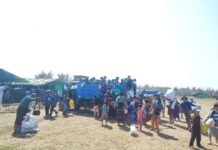
“Monks led a protest on June 16, and the work stopped briefly,” said a resident of Nampawng. “But by June 28, excavation resumed. They claimed it was for drainage, and shortly after, we were told to leave the area by July 3. We pleaded for more time, at least until July 7, to gather our belongings.”

Villagers emphasized that Nam Aum spring is crucial not only for irrigation but also for religious and cultural practices. They insist the mining was never locally approved and accuse the MNDAA of disregarding their concerns.
“Even if the Kokang authorities gave permission, they can’t mine without the consent of the people who live here,” the resident added. “And the people doing the digging aren’t even Kokang soldiers, they’re the Wa businessman’s workers.”
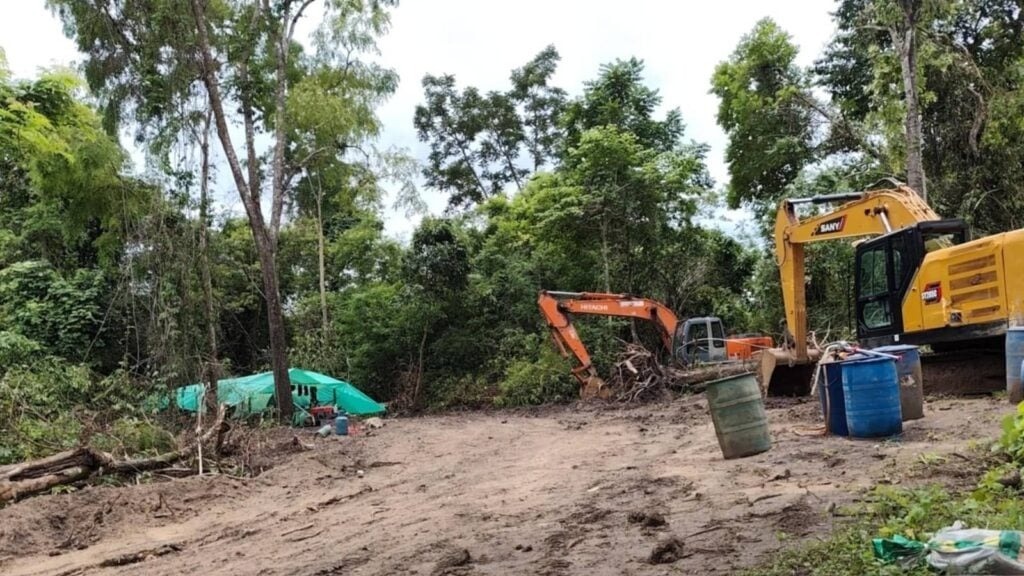
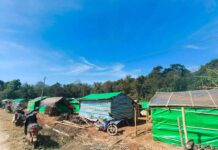
As of early July, two excavators and other mining equipment remain on-site, though operations have temporarily halted. Documents obtained by SHAN confirm that the MNDAA granted official approval for gold mining in the area on June 7, including parts of Mong Yai Township, which is under the control of the Shan State Progressive Party/Shan State Army (SSPP/SSA).
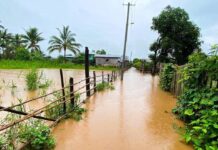
Meanwhile, similar concerns are emerging in Ponghtun Village Tract in Mong Yai, where residents report unregulated gold extraction activities. Locals say these operations, reportedly carried out without any official approval, are damaging local waterways and threatening the environment.



Leave a Comments