




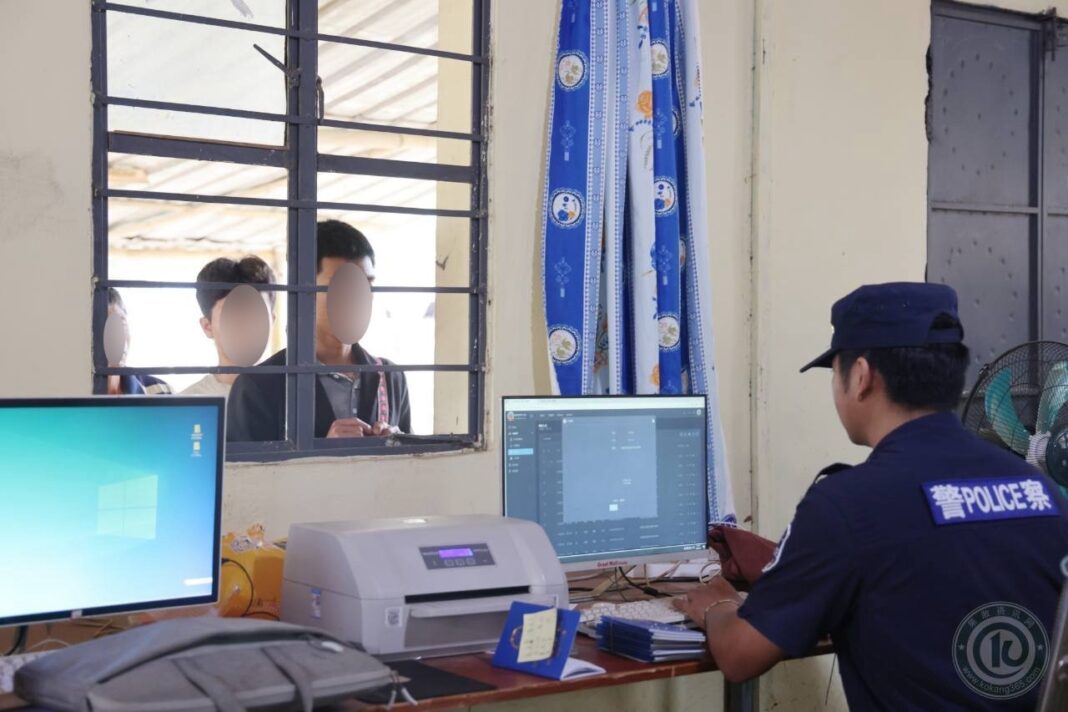
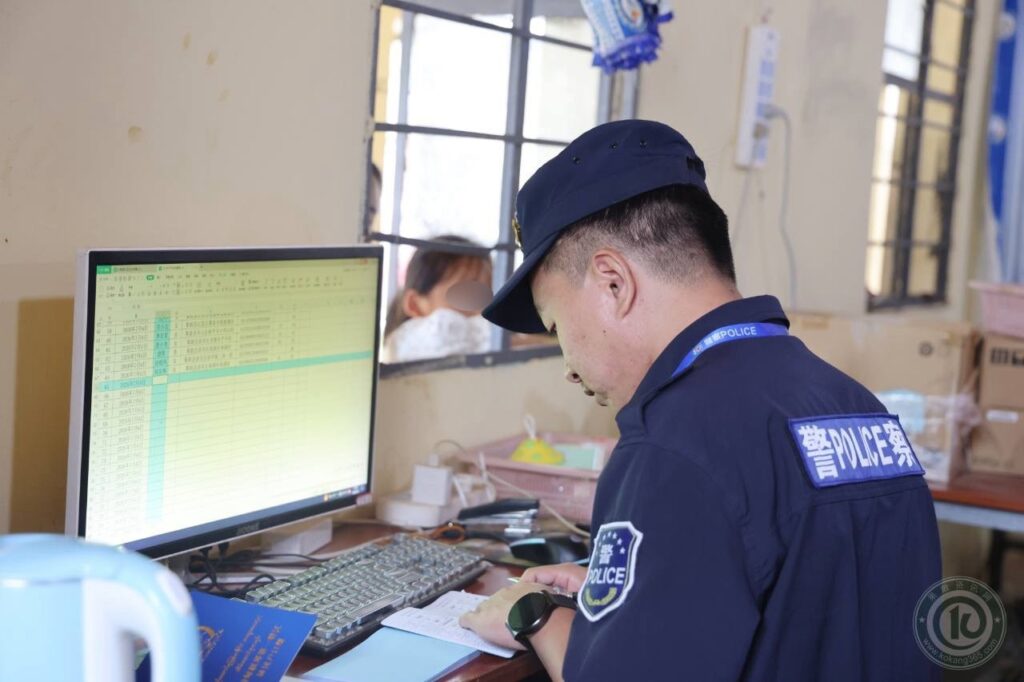
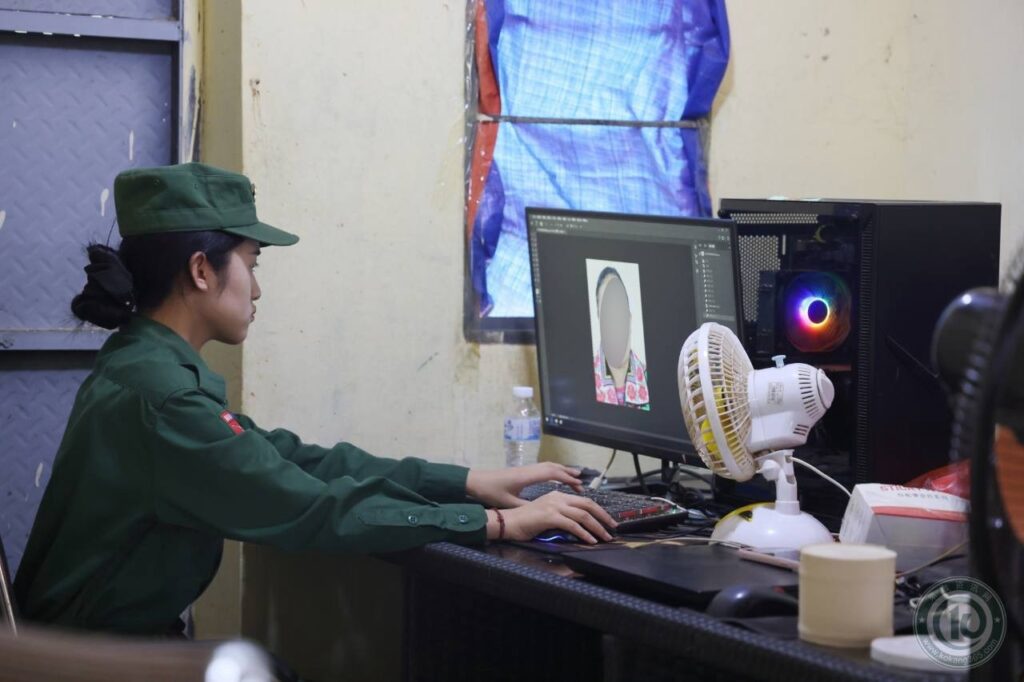
The Myanmar National Democratic Alliance Army (MNDAA) has completed a sweeping census and registration drive across territories under its control, issuing more than 62,000 national identification cards and 18,000 household registration books. While the group presents the initiative as a step toward strengthening civil administration and improving public services, residents say it has become a mechanism for enforcing strict conscription quotas.
According to the Kokang Region Administration, the registration campaign is intended to formalize civil records. However, residents in Pang Hsai (also known as Kyu Koke) and Mongkoe told SHAN that the new registries are being used to track household composition, providing the MNDAA with a clear basis for recruiting civilians into military service.
“The MNDAA is enforcing military service based on household registration data,” a resident of Pang Hsai told SHAN. “The quota requires families with two male members to provide one for military service. A similar ratio is being applied to families with two female members.”
The enforcement of these quotas has triggered a wave of displacement as families flee to avoid conscription.
“There are families who have fled because they do not want to serve as soldiers,” the resident said. “I have personally witnessed MNDAA troops sealing the homes of those who have escaped.”
In areas where the youth population has already been depleted by previous rounds of military recruitment or voluntary migration, the burden has shifted to village leaders.
In more than 20 village tracts in Mongyai Township, including Ho Ya, Loi Nguen, and Kawng Maung, an order issued in May required every village to provide at least one recruit. Local residents said village administrators who failed to meet the quota by the deadline were beaten and detained.
Those deemed unsuitable for frontline military service are often assigned to auxiliary roles, including local firefighting units, municipal labor, or administrative positions such as “ten-household” leaders, ensuring that nearly every household remains tied to the MNDAA’s administrative and security apparatus.
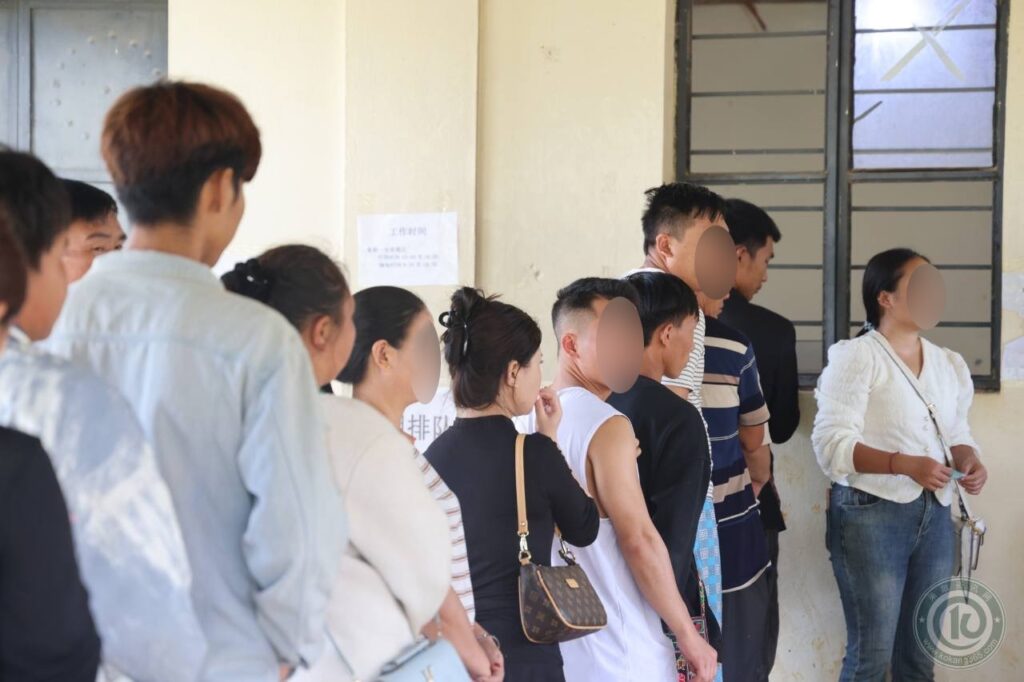
MNDAA-issued identification cards have become essential for residents seeking employment across the border in China, as they are the only widely accepted form of identification for many applicants. Their importance has fueled a surge in demand, drawing thousands of people to registration centers in Pang Hsai and Mongkoe.
However, obtaining the documents comes at a significant cost.
“People are rushing to obtain these documents because they want the opportunity to work in China,” the Pang Hsai resident said. “But they are not free. We have to pay Chinese brokers between 4,000 and more than 6,000 yuan [approximately 2.5 million to 3.8 million Myanmar kyats] per person.”
For many residents, the registration campaign has become a double-edged sword. While the identification cards offer a desperately needed pathway to employment and income in China, they also bind families to a system of compulsory military service with little opportunity to opt out.
As the MNDAA expands both its administrative reach and military capacity, residents say they are increasingly trapped between the need to secure a livelihood in China and the growing risk of forced recruitment at home.






Leave a Comments