




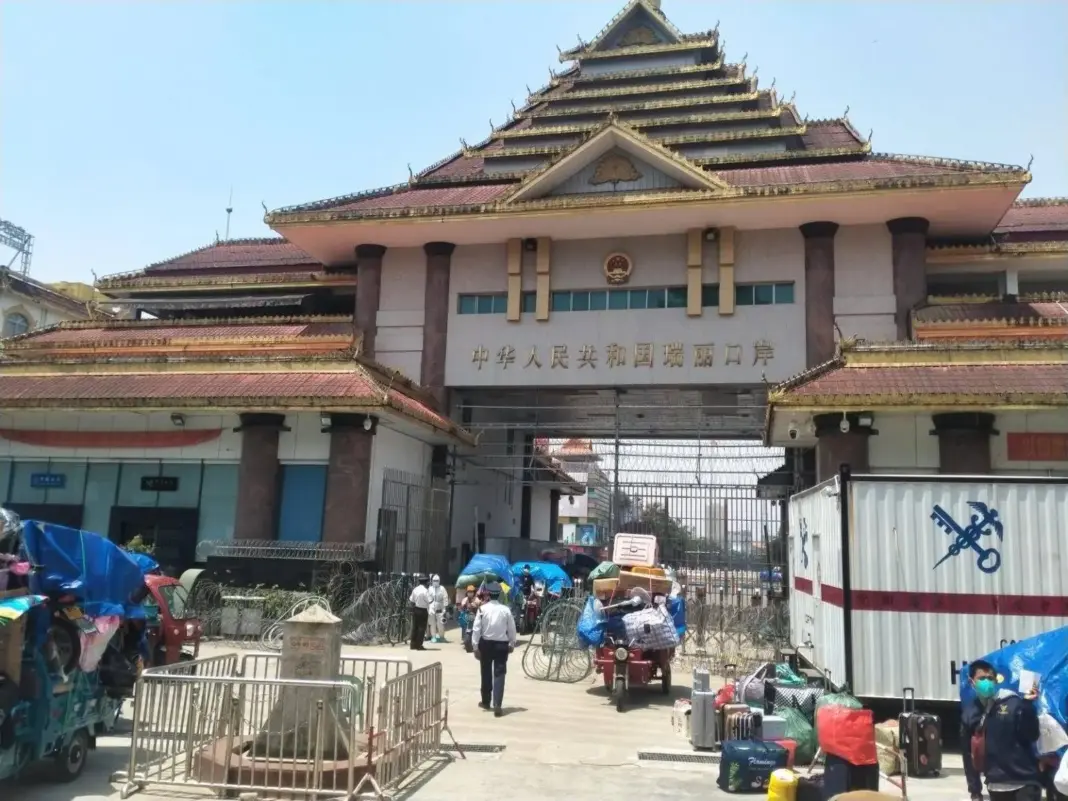
The Kachin Women’s Association Thailand (KWAT) has warned of a sharp rise in the trafficking of Myanmar women to China, where many are sold as brides, as conflict, displacement, and economic hardship continue to deepen across the country.
Speaking to SHAN, KWAT spokesperson San Htoi said trafficking patterns have changed significantly since the 2021 military coup. While such cases were previously concentrated in areas along the China-Myanmar border, traffickers are now targeting women from across the country.
Despite official border restrictions imposed during the COVID-19 pandemic and ongoing political instability, traffickers continue to move victims into China through informal border crossings and recruitment networks operating on social media platforms.
San Htoi said it has become increasingly difficult to track trafficking routes in recent years.
“Since late 2022, it has become increasingly difficult to determine how victims are being transported to China,” she said in an interview with SHAN.
She added that the shutdown of phone and internet services in border areas has further complicated efforts to monitor trafficking networks and locate victims.
According to KWAT, women between the ages of 18 and 40 are among the primary targets. Many are sold into forced marriages in China, while others are repeatedly resold.
“Some women are sold three, four, or even five times. This not only destroys their lives but also causes severe psychological harm,” San Htoi said. “Although the numbers may appear small, what is happening to these women is deeply inhumane.”
A 2024 KWAT report found that more than half of the trafficking survivors documented between 2019 and 2023 came from regions that do not border China, including Yangon, highlighting the expanding reach of trafficking networks.
The report also documented the case of a 13-year-old girl who was reportedly confined for a year in a psychiatric hospital in Anhui Province, China.
According to KWAT, trafficked women are sold for amounts ranging from 10,000 to 500,000 yuan. Survivors frequently report experiences of confinement, forced marriage, physical abuse, and other forms of exploitation.
The worsening economic situation in Myanmar has increased the vulnerability of women and girls, particularly those displaced by conflict or seeking to escape domestic violence. KWAT said internally displaced women living in camps are among the groups most at risk.
The organization also reported a growing trend of women being trafficked into online scam compounds operating in Myanmar and neighboring countries.
Trafficking is no longer limited to border communities, according to KWAT. Cases have increasingly been documented among women from regions including Rakhine, Mon, Bago, and Yangon.
KWAT further noted that armed groups controlling border areas have largely focused on military and security concerns, while efforts to prevent trafficking and support survivors remain inadequate.
Women who manage to escape often face stigma and discrimination upon returning home, creating additional barriers to recovery and reintegration.
San Htoi said survivors are often treated as though they have done something wrong, and many continue to suffer long after returning home.
KWAT stressed the need for greater access to psychosocial support, livelihood assistance, and vocational training for survivors. The organization also called on the international community to support local groups providing cross-border assistance and to address the root causes driving human trafficking in Myanmar.





Leave a Comments