




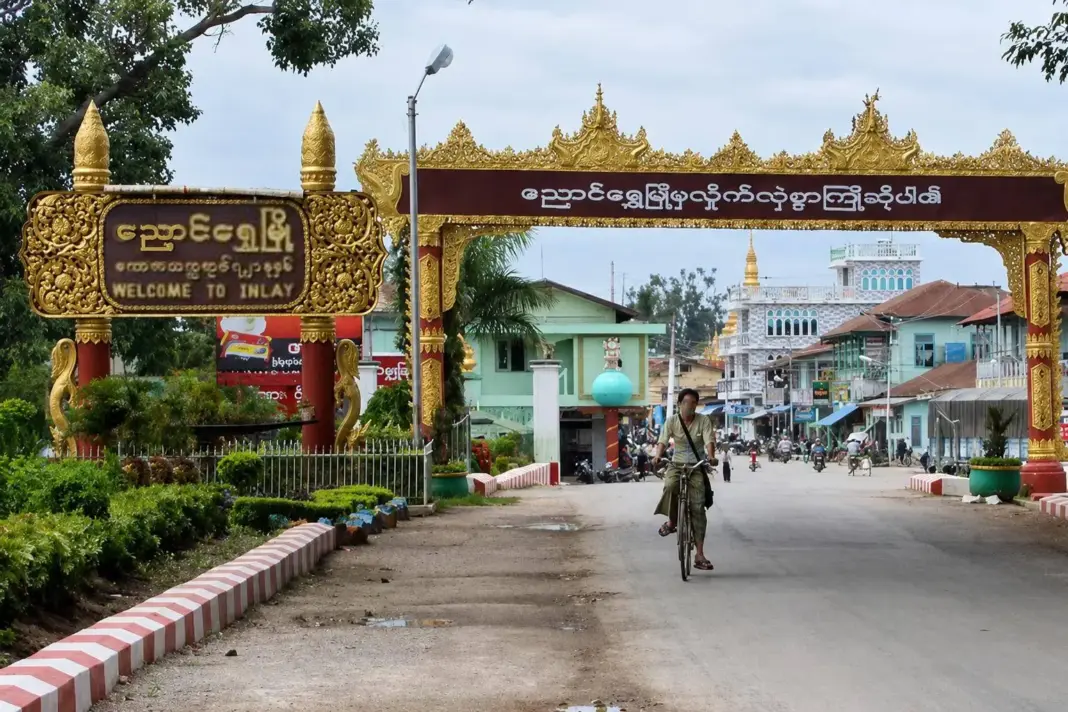
Residents in Yawnghwe (Nyaungshwe) Township, southern Shan State, are facing mounting financial pressure after authorities sharply increased monthly conscription-related fees under the military’s recruitment system.
Since the enactment of the Military Service Law on February 10, 2024, military authorities have expanded recruitment efforts across Myanmar, including in Shan State. Locals say communities are now required to contribute money regularly to secure substitute recruits for those unable or unwilling to serve.
According to residents, households previously paid around 20,000 kyats every four months when recruitment demands arose. However, locals say the fee has now risen to 50,000 kyats per month.
“Before, they only collected money occasionally when it was needed,” a local woman told SHAN. “Now they come every month asking for 50,000 kyats. We have to think about this payment before we can even buy food.”
Residents say ward administrators and their associates now conduct monthly door-to-door collections, recording payments in registration books.
Many fear the costs could rise further as recruitment pressures continue.
A man familiar with local administration said the higher fees reflect growing difficulty in finding people willing to serve as substitutes.
“In the past, it was easier to find people to go,” he said. “Now, even when money is offered, most refuse because they have seen others die or remain trapped in service without being allowed to return home.”
According to the source, some recruits are individuals facing severe economic hardship who agree to serve in exchange for money or basic support.
Residents also say communities fear punishment if they fail to provide recruits.
The source alleged that, in some cases, authorities resort to forced portering or arbitrary recruitment when quotas are not met.
Locals further claim that people struggling with drug addiction are increasingly being targeted for recruitment or forced labor.
Residents estimate that from 2024 to May 2026, around 200 people from Yawnghwe Township were recruited into either military forces or the Pa-O National Organization (PNO) militia, though the figure could not be independently verified.
The military and the PNO currently maintain control over much of the township. In areas around Inle Lake with large Pa-O populations, residents say the PNO collects taxes and frequently requests food supplies for its bases.
Locals say the combination of rising fees, economic hardship, and recruitment pressure is placing an increasing burden on already struggling households.


Leave a Comments