



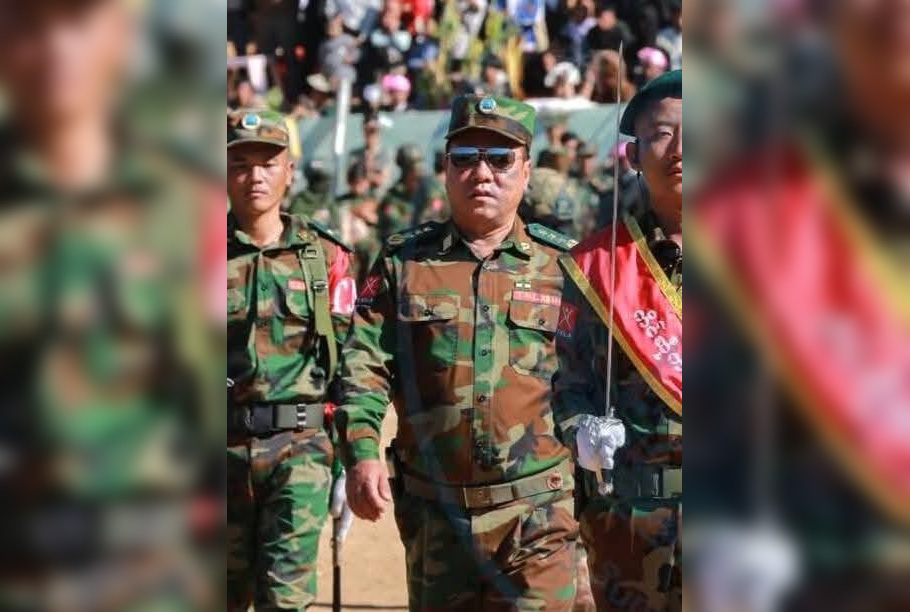
On April 15, the Palaung State Liberation Front (PSLF) and its armed wing, the Ta’ang National Liberation Army (TNLA) issued a statement welcoming Senior General (retired) Min Aung Hlaing’s newly formed semi-civilian government. Everybody is startled by the announcement because a group long associated with armed resistance to military rule now appeared to accept the political outcome of the coup. Thus the question is if the TNLA’s move is a pragmatic survival strategy, or a political betrayal of the anti coup struggle that once united the Three Brotherhood Alliance (3BHA)?
The TNLA traces its roots to an earlier Palaung insurgency. After a 1991 ceasefire with the State Law and Order Restoration Council (SLORC), dissenting officers broke away and formed the Palaung State Liberation Front in 1992, rejecting what they saw as unacceptable accommodation. Unlike some ethnic armies, TNLA did not join the 2015 Nationwide Ceasefire Agreement—mainly because the then Union Solidarity and Development Party (USDP) semi civilian government excluded groups such as TNLA, Myanmar National Democratic Alliance Army (MNDAA) and Arakan Army (AA), all members of the 3BHA.
Since the 2021 coup, TNLA has alternated between battlefield offensives and negotiated pauses, frequently in the form of China mediated understandings rather than publicly posted national agreements. These ad hoc truces have tended to be fragile and localized, reflecting the movement’s wariness of deals that might erase its political aims or territorial autonomy.
TNLA’s objectives and capacity were most visible during the October 27, 2023 “Operation 1027”, when it fought alongside People’s Defence Forces (PDF) and other ethnic armies in a coordinated offensive that pressured the junta across northern Shan State. That joint effort demonstrated TNLA’s readiness to fight, helped capture territory, and increased its bargaining leverage with both domestic and regional actors.
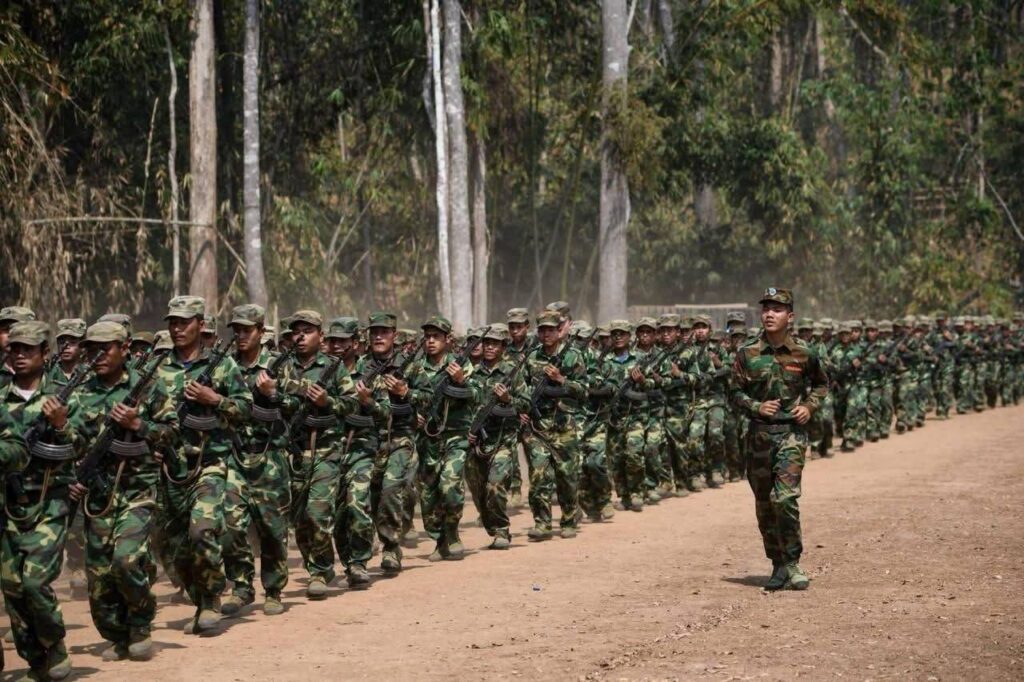
So why the about face? From late 2025 into 2026, China intensified quiet diplomacy at the border, seeking stability for cross border trade and preferring a single, controllable authority in Naypyitaw over a fragmented set of rival actors. Reports indicate TNLA and MNDAA leaders succumbed to Chinese pressure: they engaged in ceasefire understandings, made tactical withdrawals from contested towns, and issued conciliatory statements. Practical pressures help explain these moves—sustained fighting has depleted fighters and resources, disrupted supply lines and revenues, and left civilians exposed—making Chinese mediation an attractive option for preserving core forces and some territorial control without the costs of all out war.
Yet that pragmatic logic clashes with deeper moral and political expectations. The Arakan Army, by contrast, has maintained a firmer rhetorical commitment to achieving freedom and democracy for Rakhine State and the people of Myanmar as a whole. While AA has engaged in talks when tactically necessary, it has preserved a clearer long term political message. That steadiness highlights the contrast: to many observers and displaced communities, TNLA’s yielding under Beijing’s mediation looks like sidelining principle for expediency.
There are painful trade offs. For TNLA leaders, short term recognition or accommodation may secure a pause in fighting, immediate relief for civilians, and preservation of an armed core that can be mobilized later. For rank and file fighters and communities who suffered under the junta, however, it can feel like abandonment—echoing the 1991 split when Palaung dissidents left a leadership they believed had surrendered too much. Seeking legitimacy from a de facto government led by the coup’s architect risks eroding TNLA’s standing with pro democracy forces and undermining broader anti junta solidarity.
Immediately after TNLA’s endorsement of Min Aung Hlaing’s semi civilian government, a Ta’ang organization publicly asserted that TNLA does not represent all Ta’ang or Palaung people—an early sign of domestic pushback that weakens the movement’s claim to speak for its community.
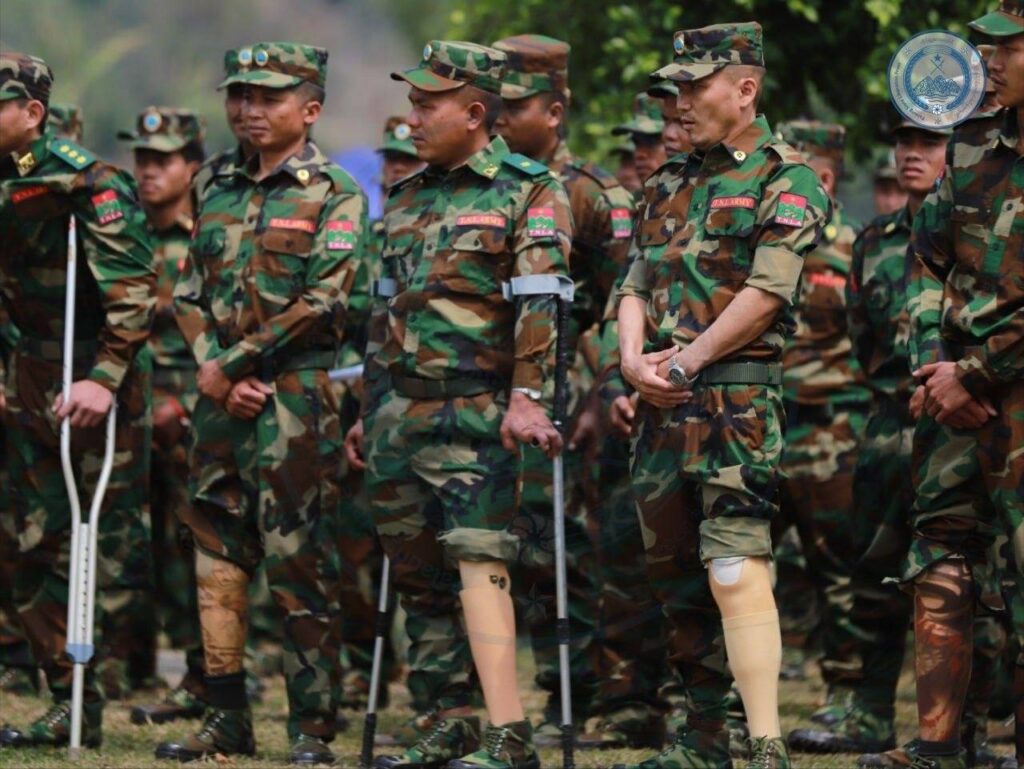
China’s role is decisive. Beijing’s priority of border stability and uninterrupted trade, combined with its economic leverage and influence over armed actors, has reshaped local calculations. Where the AA appears more resistant to such pressure, TNLA and MNDAA concessions show how external power brokers can nudge armed groups toward containment and compromise rather than maximalist political objectives.
What should we call TNLA’s action? Survival strategy and political betrayal are not mutually exclusive. In the short term, this decision may buy time and shelter lives. In the long term, it risks fracturing alliances, alienating supporters and hollowing out the moral clarity that sustained insurgent mobilization. The real test is whether TNLA converts tactical respite into genuine political leverage—pressing for meaningful autonomy, civilian protections and credible pathways to democratic participation—or whether its embrace of a junta led administration becomes permanent and helps normalize the coup’s outcome.
TNLA’s choice matters beyond its immediate circles. Ethnic armies are both local protectors and potential partners in any national settlement. If decisions across the battlefield are driven primarily by survival under outside pressure, prospects for an inclusive, democratic Myanmar become more remote and protracted. If tactical pauses are used to preserve capacity and re engage later with renewed bargaining weight, TNLA may yet retain its claim to principled resistance.
TNLA’s about face is a reminder that insurgencies operate within a constrained political ecology—histories of ceasefire and rupture, battlefield successes and setbacks like the Operation 1027, and the persistent shadow of regional power politics. How TNLA navigates these realities will help determine not only its fate but the broader trajectory of Myanmar’s fractured struggle for freedom and democracy.




Leave a Comments