



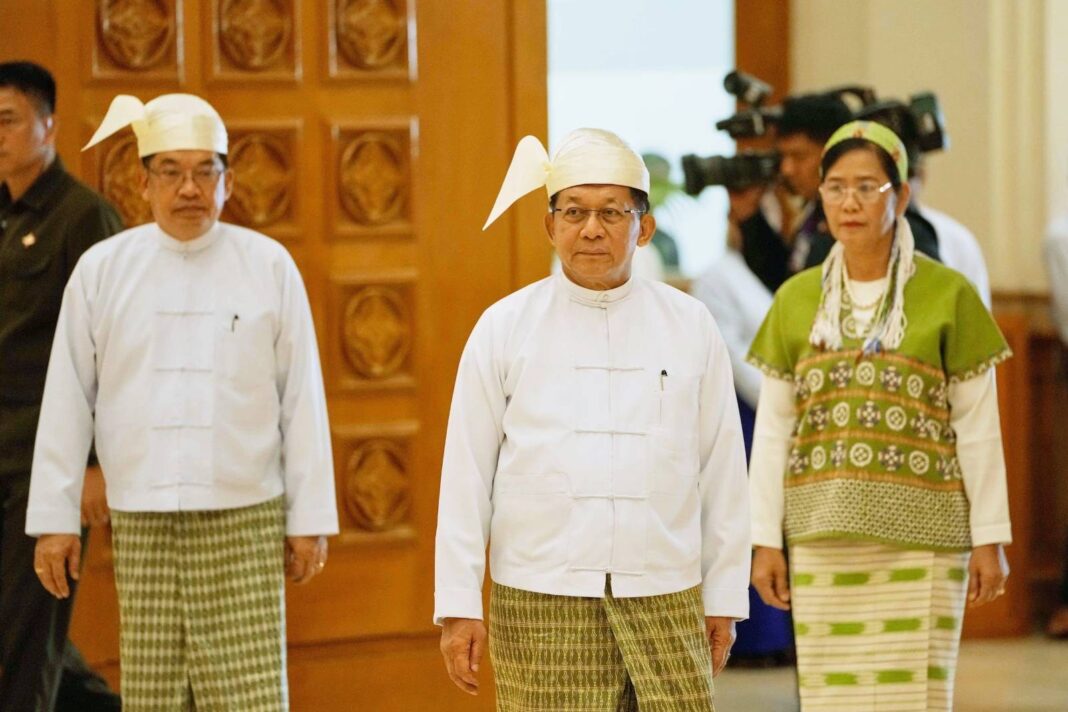
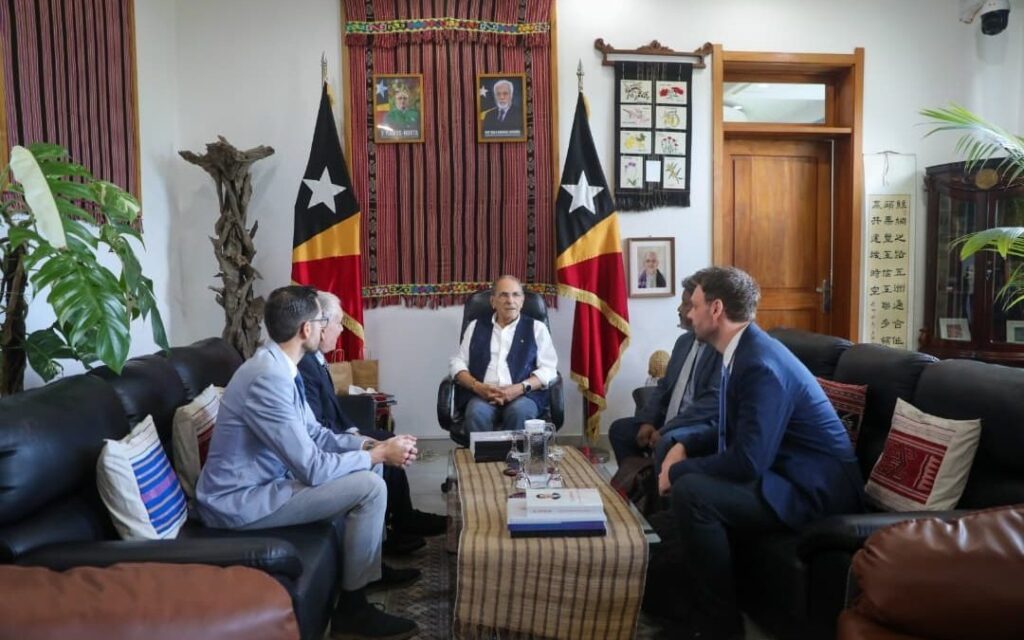
East Timor or Timor-Leste has become the first ASEAN nation to advance the prosecution of Myanmar’s military leadership, formally transferring a case against self-proclaimed President Min Aung Hlaing and over ten other officials to its courts in Dili. Filed by the Chin Human Rights Organization (CHRO) in early January, the charges stem from severe atrocities including high-profile rapes, the murder of a Christian pastor, and attacks on religious sites. Supported by the Myanmar Accountability Project (MAP), the case leverages Timor-Leste’s recognition of universal jurisdiction to bypass the impunity enjoyed within Myanmar’s own military-controlled justice system. With the case now moving to judicial review, organizers express confidence that the court will impartially investigate these war crimes, adding Timor-Leste to a growing list of jurisdictions—including Argentina, Turkey, and the Philippines—seeking accountability for the junta, according to Myanmar Now recent report.
The move marks a significant diplomatic rupture, as the Myanmar junta has already expelled Timor-Leste’s ambassador and accused the nation and CHRO of interfering in its internal affairs. Despite the junta’s attempts to normalize relations by declaring a new presidency through orchestrated elections, these legal actions reinforce Min Aung Hlaing’s status as an internationally wanted figure facing concurrent charges at the ICJ and ICC for crimes against the Rohingya. As Chris Gunness of MAP stated, the dictator belongs in prison, not the presidential palace, signaling that the region’s appetite for state-led accountability is intensifying even as the regime attempts to shield itself through diplomatic maneuvering.
When national courts from Buenos Aires to Dili begin prosecuting Myanmar’s military leaders, they are doing more than seeking distant justice; they are actively redrawing the map of power upon which the junta and its newly styled quasi-civilian government must operate. While universal jurisdiction is unlikely to topple the regime overnight—the generals still command the coercive instruments of the state and enjoy strategic backing from powerful patrons like China, Russia, and Belarus—it is steadily tightening a noose around their international operations. The cumulative effect is a slow, methodical strangulation of the junta’s diplomatic maneuvering room, a sharp increase in the costs of statecraft, and a deepening of its long-term illegitimacy in ways that authoritarian allies will find increasingly difficult to immunize against.
This legal pressure functions as a potent form of asymmetric deterrence. Unlike traditional military interventions, universal jurisdiction does not require the capture of accused leaders or immediate regime change to be effective. Instead, it imposes a relentless accumulation of legal, financial, and mobility costs that erode the regime’s functionality over time. Arrest warrants, Interpol notices, and formal investigations make high-profile travel perilous for named officials, signaling to global banks, insurers, and aviation authorities that any transaction linked to these individuals carries severe legal and reputational risks. For a junta desperate to secure international legitimacy and perform the everyday functions of statehood—such as sealing trade deals, attracting investment, and accessing global finance—these frictions are catastrophic. The consequences are even more acute for the “quasi-civilian” apparatus the junta has fashioned to cloak its military rule in a veneer of normalcy. Ministers, diplomats, and technocrats tasked with normalizing relations find prospective partners increasingly wary. Even states willing to engage privately may hesitate to formalize ties, host officials, or approve visa waivers if doing so risks allegations of complicity or future legal exposure. Consequently, the junta’s attempt to rebrand itself through diplomatic outreach is systematically undercut by a widening circle of jurisdictions willing to investigate alleged atrocity crimes.
China, Russia, and Belarus can provide political cover, arms, and market access that blunt some of the immediate operational impacts of this legal pressure. These states are unlikely to extradite senior officials to face trials abroad, yet universal jurisdiction does not depend on global unanimity to succeed. What matters is the fragmentation of safe havens; jurisdictions like Argentina, Timor-Leste, and Indonesia can still issue arrest warrants that bite the moment suspects travel outside their protected zones. This creates a cruel “travel paradox” for the junta. To secure the revenue and technology necessary for survival, Myanmar needs access to diplomats, bankers, and foreign investors—people who increasingly demand assurance that engagement can be achieved without legal or financial entanglement. Moreover, these travel restrictions are not merely binary switches; they are a gradual erosion of access. An official who cannot board a commercial flight to major jurisdictions loses both symbolic legitimacy and practical access to professional networks, training programs, and international financial systems. Over time, a leadership isolated from professional diplomatic channels becomes ever more reliant on a narrow network of patron states and transactional partners, deepening their dependency and reducing their strategic autonomy.
These universal-jurisdiction prosecutions also amplify the non-judicial levers already used against the junta, such as sanctions and targeted financial measures, by adding a persistent, evidence-based legal narrative to the mix. Court proceedings produce public, evidentiary records that feed directly into sanctions designations, bank compliance decisions, and corporate risk assessments. Insurance underwriters and shipping firms may re-route cargo or demand enhanced due diligence for any business touching Myanmar, while investors who might otherwise tolerate political risk now view the expanded legal exposure as an unacceptable operational hazard. For the quasi-civilian government seeking investment and legitimacy, the result is inevitably slower capital inflows and narrower trade options. Even the regime’s authoritarian patrons face their own growing dilemma: while overtly shielding accused leaders may preserve short-term geopolitical advantages, it increasingly ties them to a regime viewed as a pariah by portions of the international community. Arms transfers, credit lines, or diplomatic cover that appear costless in Moscow or Beijing can complicate those patrons’ broader relationships with Western economies and multilateral institutions. While China and Russia may tolerate these costs for strategic reasons, secondary effects—such as restricted cooperation on global financial services or increased scrutiny of their own business dealings—will inevitably influence the scale and modality of support they provide.
Domestically, this legal encirclement has profound political consequences. The junta’s narrative of sovereign resilience and resistance to foreign interference is weakened when international courts and foreign prosecutors publicly document alleged atrocities. This documentation provides domestic opposition movements with a stronger basis for mobilization and international advocacy, while creating a permanent repository of claims that transitional authorities or future governments can use to pursue justice. Within the junta’s own coalition, the costs imposed by legal isolation can exacerbate rifts between hardliners who prioritize repression and pragmatists who favor economic opening. If the quasi-civilian elements are tasked with securing foreign investment but fail to do so because of these legal and reputational constraints, their usefulness to the military may diminish, potentially increasing the chance of internal reshuffles or a greater reliance on overt military figures.
Of course, realism is essential: arrest warrants do not instantly translate into trials. High-ranking accused officials who remain inside a sovereign state that refuses extradition and who are shielded by powerful patrons will evade immediate arrest. This enforcement gap is real and significant, meaning that universal jurisdiction’s primary short-term gains are legal stigmatization, constrained mobility, and the accumulation of evidence rather than guaranteed conviction. However, this gap is not permanent. History shows that political tides change; leaders travel, safe havens shift, and exiled documents and witness networks eventually make prosecutions more practicable. Universal-jurisdiction mechanisms build a bridge between the present and those future windows of opportunity, ensuring that responsibility is not erased by time or power. To maximize this impact, national prosecutors and civil society must coordinate evidence-sharing with the ICC and UN initiatives, while enhancing enforceability through coordinated travel advisories and financial restrictions.
In geopolitics, as in law, pressure that looks incremental today can become decisive tomorrow. By narrowing the junta’s options and embedding allegations in public judicial records, nations like Argentina and Timor-Leste are not merely litigating the past—they are reshaping the present incentives of power, ensuring that the cost of tyranny keeps rising until the regime has no space left to hide.



Leave a Comments