



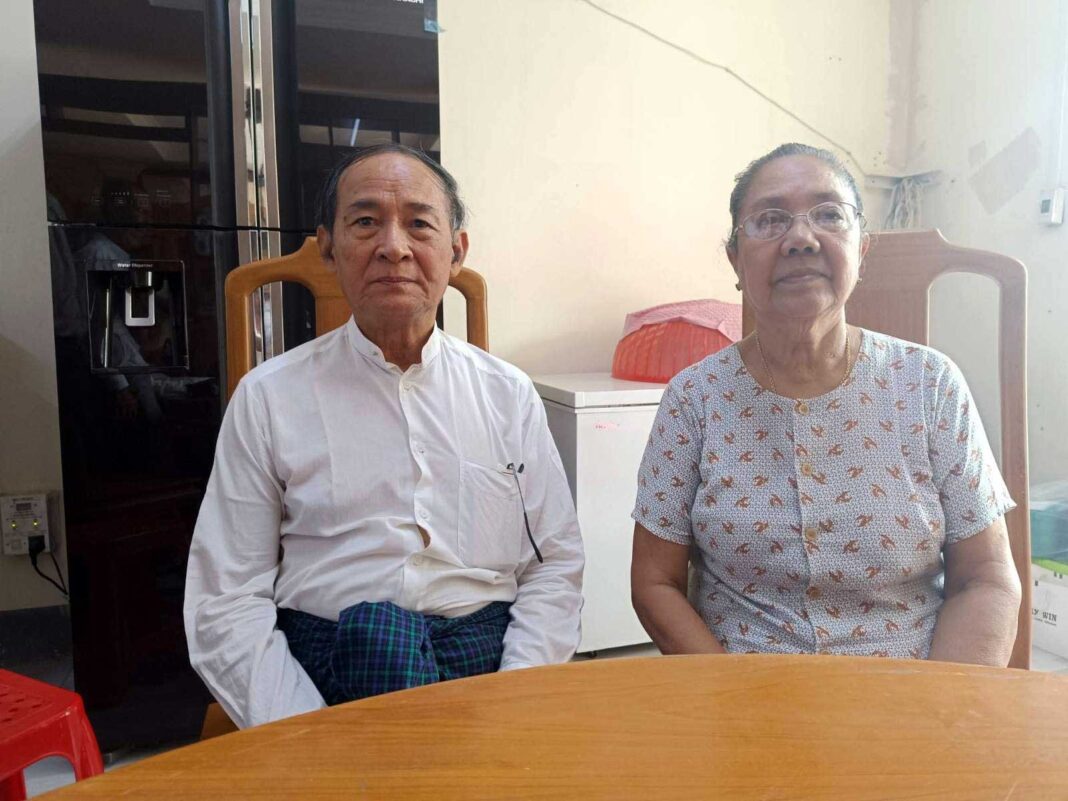
When U Win Myint was released, reactions across Myanmar and the international community were swift and varied. For some, the move signaled a pragmatic step by the military toward easing tensions; for others, it was a tactical maneuver designed to reshape narratives and shore up power. Regardless of intent, the release presents a narrow but consequential window for shifting the dynamics of legitimacy, national unity, and strategic positioning — if political actors, civil society, and international partners act deliberately.
Reframing legitimacy
The military has long sought to assert its legitimacy through legalistic and security-centered narratives. Releasing a high-profile detainee like U Win Myint allows it to recast itself as responsive and magnanimous. Yet legitimacy is not won by single gestures: it accumulates through consistent respect for rule of law, transparency, and institutions that reflect popular will. The military can deepen any short-term gains only by following the release with concrete steps that address detention practices, ensure fair judicial processes, and permit meaningful political participation.
Conversely, political leaders and civil society must avoid letting a single event rewrite broader realities. They should treat the release as an opening, not an endpoint, pressing for sustained reforms that translate goodwill into institutional safeguards. By keeping demands focused on systemic change rather than symbolic victories alone, pro-democracy actors can convert a tactical concession into progress toward durable legitimacy.
Building unity without erasing accountability
Unity is often invoked as a balm for division, but calls for reconciliation that overlook accountability risk entrenching impunity. A genuine push for national cohesion should begin with clear, shared principles: acknowledgement of past harms, mechanisms for redress, and guarantees against recurrence. Transitional justice processes — tailored, participatory, and transparent — can help reconcile communities while upholding the rule of law.
Community leaders and civil society organizations are well-placed to spearhead inclusive dialogues that center victims and marginalized voices. The aim should be restorative cohesion: unity that emerges from addressing grievances, not from papering over them. International mediators and partners can support this work through neutral facilitation, technical assistance, and conditional incentives that reward progress on accountability.
Strategic recalibration for all sides
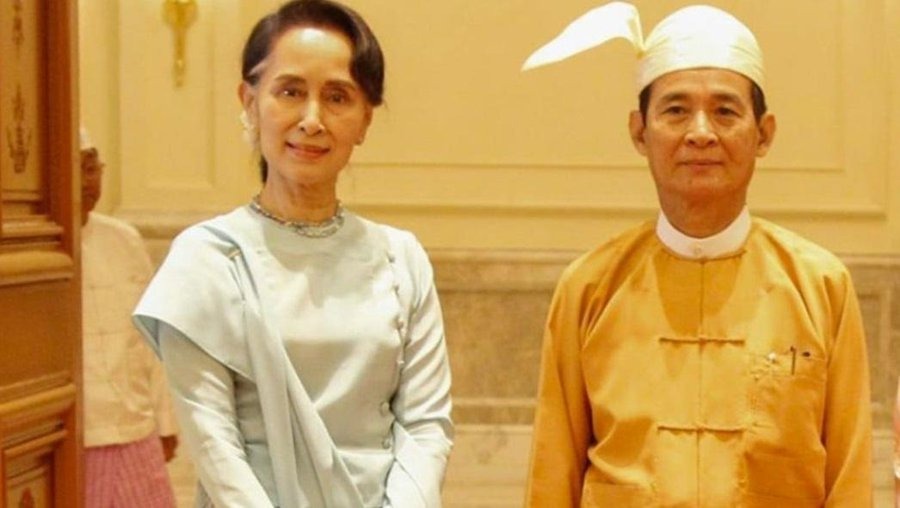
For the military, the release could be part of a broader strategy to reduce isolation and attract legitimacy from domestic and foreign audiences. To move beyond optics, the military needs a credible roadmap: confidence-building measures, verifiable de-escalation of hostilities, and paths for political competition. Without these, goodwill will be fragile and reversible.
Political opposition groups must match moral clarity with strategic patience. Fragmentation weakens leverage; coordinated, pragmatic platforms that prioritize achievable reforms will be more effective than maximalist demands that stall negotiations. Maintaining broad coalitions while allowing room for diverse tactics — international advocacy, local organizing, and strategic engagement — will preserve momentum.
International actors face a delicate calculus. Premature normalization risks emboldening bad-faith actors; excessive pressure may close the narrow openings that releases create. A calibrated approach — combining targeted diplomatic engagement, clear benchmarks for progress, and sustained humanitarian support — can help steer the situation toward meaningful change without rewarding backsliding.
Practical steps forward
- Institutional clarity: Support and demand reforms in detention, judiciary independence, and political rights that can be independently verified.
- Inclusive dialogue: Convene participatory forums that include civil society, ethnic minorities, and youth to shape transitional processes.
- Transitional justice: Establish mechanisms for truth-seeking and reparations with protections for witnesses and victims.
- Confidence-building: Implement verifiable ceasefire measures, release remaining political prisoners, and allow humanitarian access.
- Coordinated diplomacy: External actors should align on benchmarks and remain ready to adjust incentives based on measurable progress.
Analysis
U Win Myint’s release is a consequential moment that could either be a fleeting public-relations victory or the start of a deeper recalibration. Turning it into the latter requires restraint, strategic clarity, and a relentless focus on institutions and justice. If political actors, civic leaders, and international partners seize the opportunity to demand and build verifiable reforms, the release could mark the beginning of a slow but meaningful shift toward restored legitimacy and a more unified national project. If they do not, it will likely become another ephemeral gesture in a long pattern of cyclical concessions and reversals.
Points to Ponder
- Short-term gestures do not equal long-term legitimacy; follow-up reforms are essential.
- Unity without accountability risks entrenching impunity.
- Civil society must lead inclusive processes that center victims’ needs.
- International engagement should be conditional and coordinated to avoid rewarding backsliding.
- Practical, verifiable benchmarks create durable pathways for trust.








Leave a Comments