




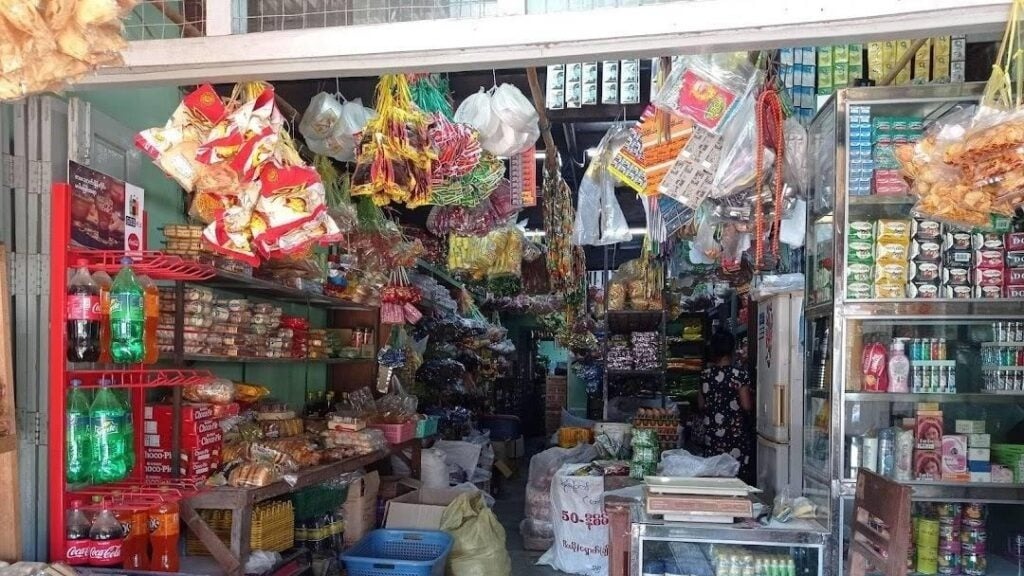
Residents of Shan State are grappling with soaring prices and dwindling supplies following a sweeping ban on Thai imports, exacerbating economic hardships for communities already struggling with instability. The abrupt restrictions have disrupted access to affordable essentials, leaving families and local businesses in dire straits.
Once a staple in local markets, Thai-made goods, from instant noodles to household products, have either vanished or become prohibitively expensive. A 30-year-old woman from southern Shan State described the worsening situation:
Before, Thai products were cheap and easy to find. Now, shelves are empty, and what’s left costs twice as much. Even basic groceries are getting harder to afford.
Pre-ban, a packet of Thai instant noodles sold for 400 kyats; today, prices have surged to 1,000 kyats. Similarly, imported shampoo has doubled from 10,000 kyats to 20,000 kyats, while chicken seasoning powder now costs 800 kyats, up from 300 kyats.
Traders report plummeting sales as customers balk at inflated prices. Many fear their livelihoods are at risk without access to Thai imports, which were both affordable and reliable.
“People can’t afford these prices, but we can’t source alternatives. Domestic products are either unavailable or inconsistent in quality” the woman added.
Authorities in Tachileik and neighboring townships have intensified border controls, conducted rigorous inspections and detained those transporting Thai goods. The heightened enforcement has driven up transportation costs, further squeezing merchants and drivers.
With no resolution in sight, affected communities are calling for immediate relief measures and a reassessment of the import ban to mitigate the deepening crisis.
“This isn’t just about higher prices, it’s about survival”, one resident said. “We need solutions before things get worse.”










Leave a Comments