




“The market has completely collapsed. We have nothing left to eat, and after borrowing year after year just to survive, I’m drowning in debt,” says Ma Hnin, her voice reflecting the despair shared by thousands of farmers across southern Shan State.
“Now my entire life is spent trying to repay what I owe.”
A mother of two in her 30s from Taunggyi Township, Ma Hnin supports her family by growing short-term cash crops such as corn, tomatoes, rice, and mustard greens. Since late 2025, however, crop prices have continued to fall while production costs have surged. With a single sack of corn seed now costing around 400,000 kyats and fertilizer prices climbing, many farmers are operating at a loss.
In Ma Hnin’s village, corn cultivation depends almost entirely on agribusiness brokers who provide farmers with seeds, fertilizer, and chemicals on credit. But what was once a lifeline has become a debt trap. According to Ma Hnin, the brokers are unconcerned about poor harvests or weak market demand. Their priority is recovering their loans with interest.
“Corn farming requires a huge investment, but when harvest time comes, we sell at a loss,” she says. “Every year, we repay the brokers only to borrow again for the next planting season. I’m exhausted.”
The crisis has been worsened by declining soil quality, forcing farmers to apply increasing amounts of fertilizer and driving production costs even higher. Ma Hnin estimates that a single planting season now requires a minimum investment of five million kyats.
“Farming is our family’s livelihood, so we feel we have no choice,” she says. “We keep planting even though we know we’ll lose money. The brokers provide the capital, the farmers bear the losses, and we fall deeper into debt. It never ends.”
The desperation is evident across the region. Tomato prices have fallen to just 200 kyats per viss (1.6 kilograms), making transportation to market more expensive than the crop itself. As a result, some farmers have resorted to dumping fresh tomatoes by the roadside rather than selling them.
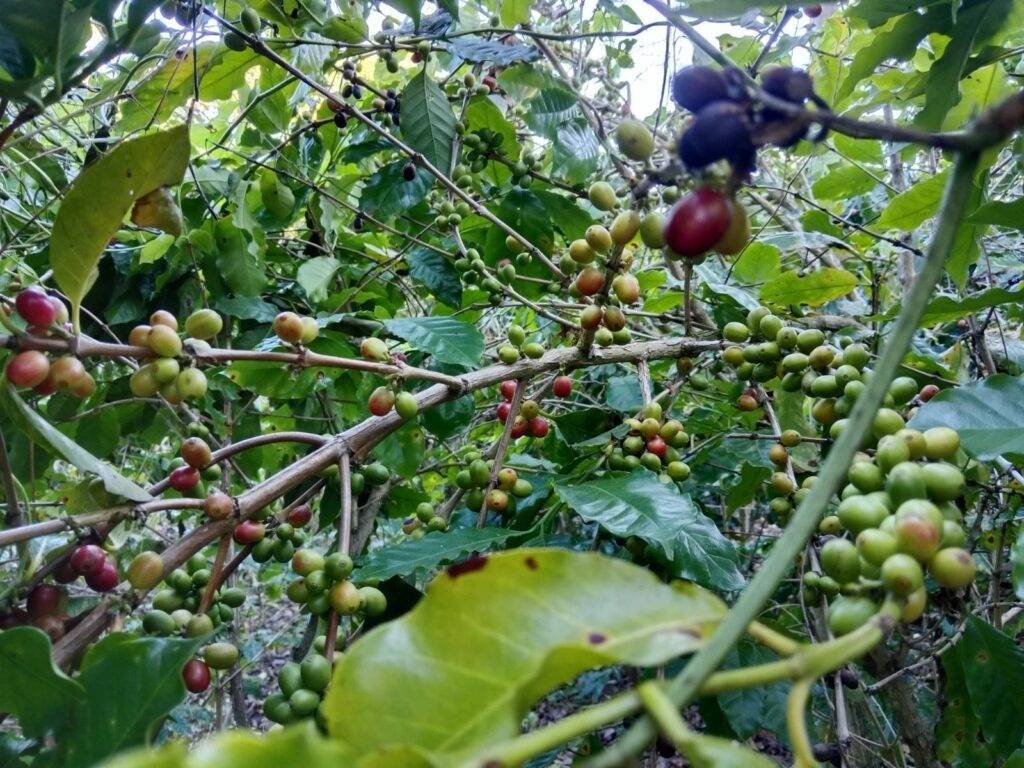
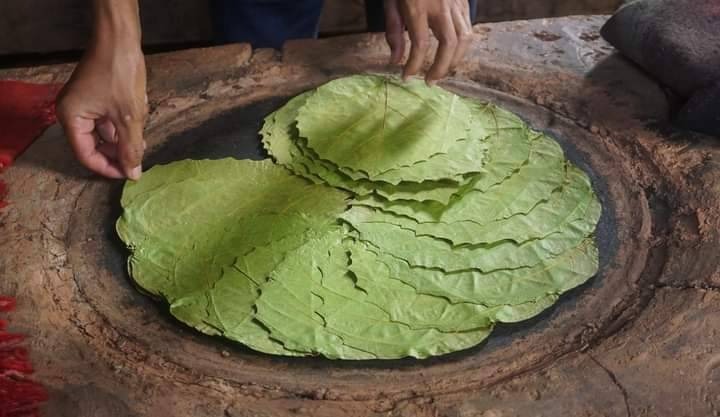
To reduce her losses, Ma Hnin has begun scaling back corn and tomato cultivation and is experimenting with betel leaves and coffee. She estimates that nearly two-thirds of the roughly 350 households in her village owe money to brokers, with average debts exceeding three million kyats per family.
Yet collapsing crop prices are only part of the burden. Farmers also face recurring “military service” levies and other arbitrary fees imposed by the military junta and allied militia groups. Many are forced to borrow even more money simply to make the payments.
“We have to pay these military levies every two months—about 300,000 kyats each time,” Ma Hnin says. “Because our corn has become almost worthless, I have to ask the brokers for more money just to pay the soldiers. My debt keeps growing.”
U Moe, another farmer in southern Shan State, says the agricultural crisis is the result of multiple pressures linked to the conflict.
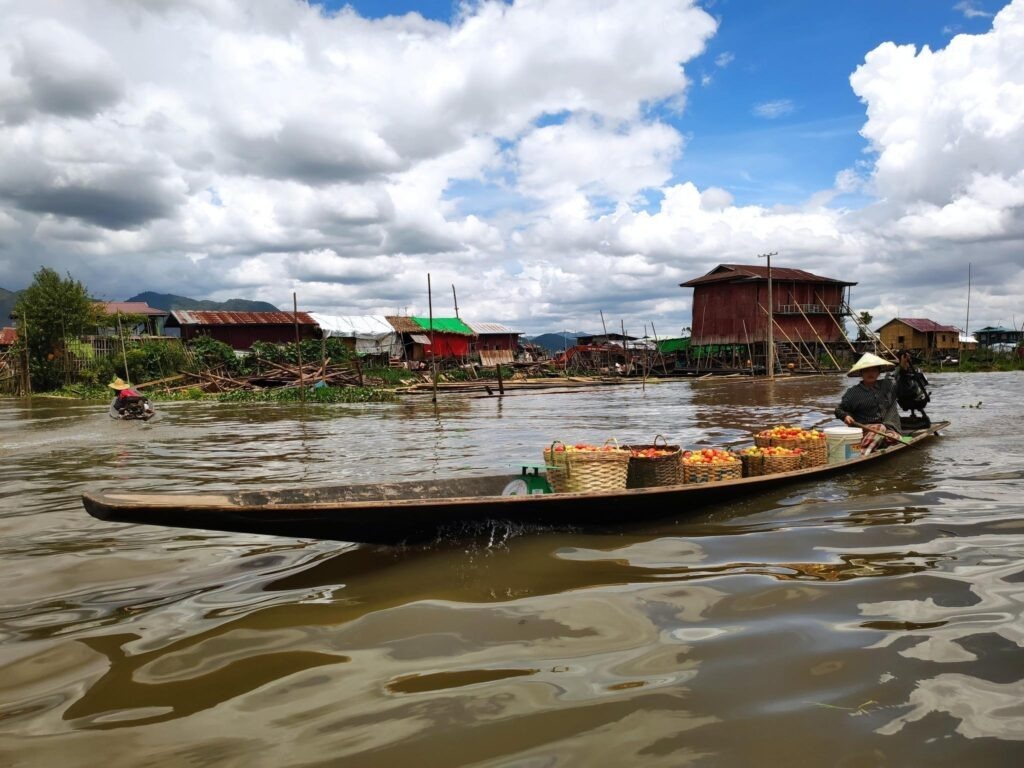
Since the 2021 military coup, insecurity and armed clashes have repeatedly disrupted transportation routes. Frequent road closures and heavily militarized checkpoints have delayed shipments of agricultural products, increasing costs and reducing farmers’ bargaining power.
“These are difficult times, and transporting goods has become a nightmare,” U Moe says. “Roads open and close without warning. While our produce sits rotting at checkpoints, brokers use the delays as an excuse to push prices even lower.”
Although many farmers would prefer to switch to long-term crops such as tea, avocado, betel, or coffee, doing so is beyond the reach of most families. These crops require several years before they generate income, leaving households without the seasonal earnings they depend on for food and daily expenses.
Those who made the transition before the crisis are faring better.
Ma Myo, who grows perennial crops, says her farm provides a modest but stable income.
“It’s enough to feed my family, cover basic household expenses, and, most importantly, keep us out of debt,” she says. “Production costs are lower, the soil remains healthier, and the trees help protect the environment. I always encourage my neighbors to plant long-term crops if they can find a way to survive the transition.”
A small measure of hope emerged during the second week of June 2026, when the military junta reportedly dismantled several checkpoints along key trade routes in southern and eastern Shan State following sustained pressure from local merchant associations. Traders had argued that corruption at the checkpoints was inflating transportation costs and further damaging the agricultural economy. Among those removed was the Pang Long checkpoint, long known among traders for extortion and lengthy inspections.
For farmers like Ma Hnin, the removal of the checkpoints offers cautious optimism.
“If these checkpoints stay closed, transporting our goods will become much easier,” she says. “I just hope crop prices improve. If we can finally receive a fair price, we may be able to repay our debts. Beyond that, I hope someone will come to our villages and teach us how to restore and protect our soil.”
This article was originally written by Nang Kham Ku for SHAN’s Burmese Section and translated into English by Eugene.


Leave a Comments