




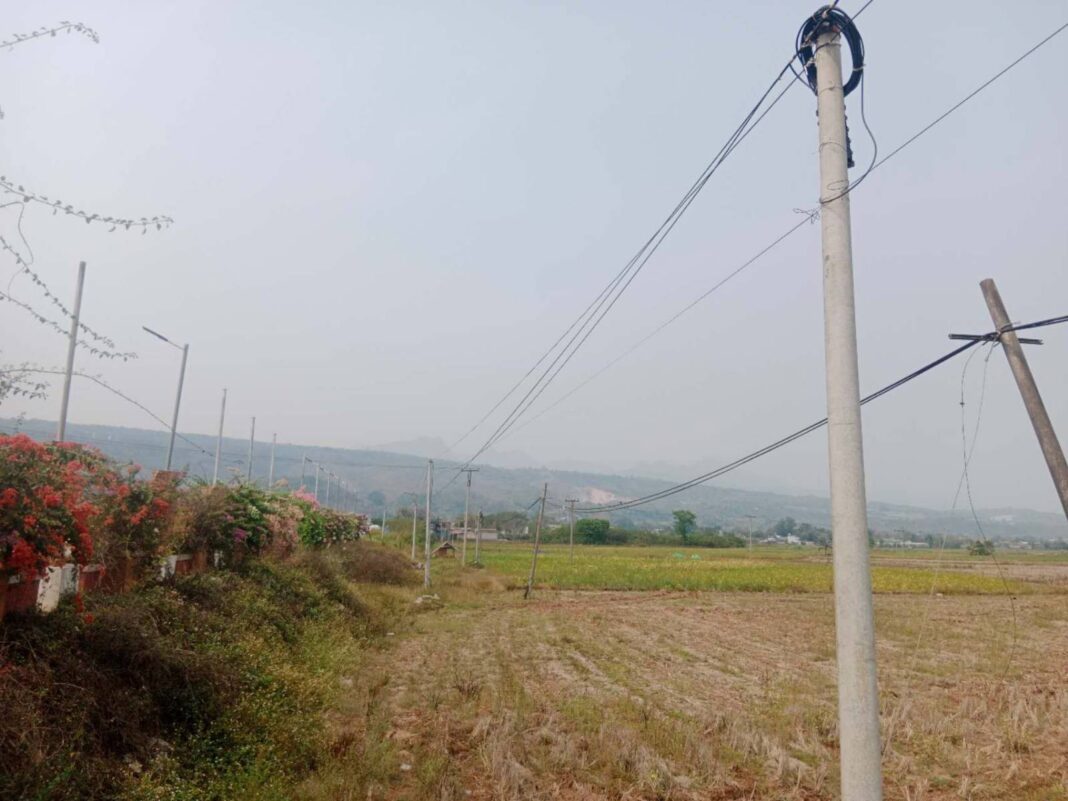
Farmland along major roads in Hsenwi Township is being sold at unusually high prices as Chinese investors expand their presence in the area, raising concerns among residents over land security, legal risks, and long-term social impacts.
Local sources said investors are targeting paddy fields near the Hsenwi Bridge and along both sides of the main highway. According to residents, some plots have reportedly been sold for up to 300 million kyats (about US$71,770) per acre, significantly above typical local market rates.
“Even if we do not want to sell, it is hard to refuse. When all the land around you has already been sold, you feel pressured to follow,” a local woman told SHAN.
She added that at least 10 acres on the eastern side of the highway have already been purchased, and residents fear continued expansion could eventually affect nearby homes.
In Taing Yet Village, residents reported that land purchases are being linked to a proposed “New City Project,” allegedly involving the Myanmar National Democratic Alliance Army and Chinese business interests.
Villagers said brokers are conducting land surveys and offering high prices, while also warning that properties within planned development zones could be taken regardless of owners’ consent.
“I do not want to sell, but people say if your land falls inside the project area, you might lose it anyway. That makes it very difficult to decide,” a local landowner said.
Residents also expressed concern over how the land will be used, with some fearing that Hsenwi could follow the trajectory of other border towns where unregulated development has led to gambling, prostitution, and criminal activity.
“These paddy fields are part of our region’s natural beauty. It is painful to think they could turn into casinos or brothels,” the woman said.
Legal experts warned that many of these transactions may not be valid under Myanmar law, particularly given restrictions on foreign land ownership and the current lack of formal administrative oversight.
“Even for Myanmar citizens, there are strict limits on buying agricultural land. For foreigners, it is even more restricted,” said a lawyer in Taunggyi.
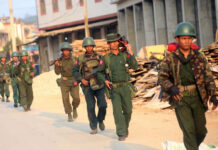
The lawyer noted that since late October 2023, Hsenwi has been under MNDAA control following Operation 1027, and formal government institutions are largely absent.
“Without a recognized land registration system, any agreements made now may not be legally enforceable in the future,” he said.
This raises concerns that sellers could lose both their land and any legal claim to compensation if disputes arise later.
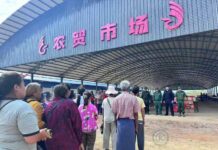
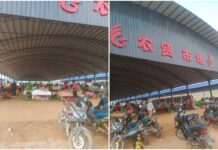
Since Operation 1027, residents said an increasing number of Chinese nationals have settled in Hsenwi, opening businesses such as grocery shops, hardware stores, pharmacies, and restaurants.
Locals also reported rising rental prices, with some investors paying high rates for properties left vacant by displaced residents. Vehicles with Chinese license plates are now commonly seen in the town.
While some residents say economic activity is returning, others worry that rapid and unregulated land sales could permanently alter the region’s social and environmental landscape.

Leave a Comments