




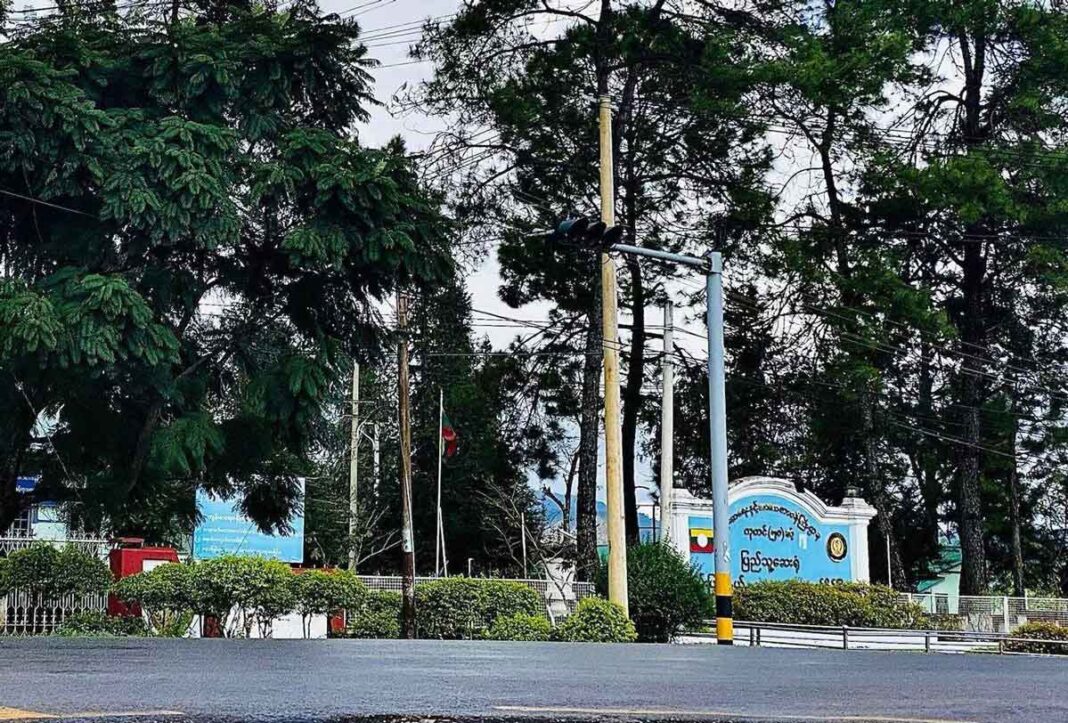
Residents in Kutkai, northern Shan State, say the cost of transporting emergency patients to hospitals in Mandalay has surged to around 2 million kyats (approximately USD 510), leaving many unable to access life-saving care amid worsening fuel shortages.
Kutkai, now under the control of the Myanmar National Democratic Alliance Army (MNDAA), lacks adequate medical facilities, forcing patients with serious conditions to travel long distances for treatment. Locals say the township hospital remains unequipped to handle critical cases.
“Even though both the TNLA and MNDAA have governed Kutkai, people still have to take care of their own health. Residents here continue to rely entirely on hospitals in Mandalay. There is virtually no capacity at the Kutkai hospital,” a resident told SHAN.
The rising cost of emergency transport is largely driven by fuel shortages, which have intensified across Myanmar. Residents report that a journey that previously cost around 800,000 kyats has now more than doubled, putting it out of reach for many families.
“If it’s a life-or-death emergency—such as kidney failure, heart disease, or severe hypertension—we have no choice but to go. Most of the time, that means traveling all the way to Mandalay. Because fuel is so expensive, people now only make the trip when the situation is absolutely critical,” said a member of a local social welfare association.
Fuel prices in Kutkai have reportedly risen to between 15,000 and 20,000 kyats per liter, further compounding the crisis and limiting the ability of ambulances and private vehicles to operate.
Residents say the lack of healthcare services has been a long-standing issue, even before recent shifts in control between armed groups. Despite changes in administration following Operation 1027 and subsequent clashes in March 2026, locals report little improvement in public services.
“At the start of Operation 1027, the alliance had strong public support. But now that they are governing, they cannot even provide basic healthcare. In these difficult times, the situation has only worsened,” another resident said.
Volunteer groups warn that the combined pressures of fuel shortages, rising transport costs, and inadequate healthcare infrastructure are placing patients at serious risk.
“The fuel crisis is affecting the entire population, but it is especially devastating for emergency patients. With both medical fees and transport costs rising, the level of hardship is overwhelming,” a local charity worker said.
As the crisis deepens, residents fear that those unable to afford transport to larger hospitals will be left without access to essential medical care, further worsening the humanitarian situation in the region.








Leave a Comments