




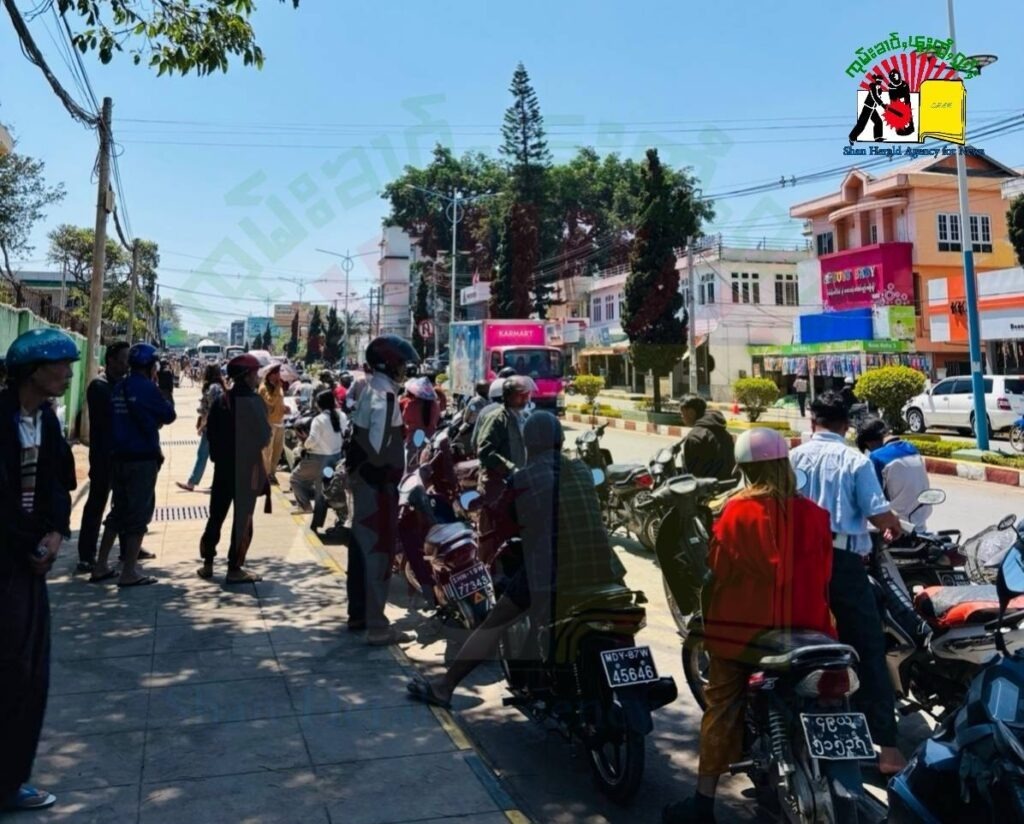
A worsening fuel shortage, driven by global supply disruptions linked to conflict in the Middle East, is pushing Myanmar into a deepening energy crisis.
In Shan State, where agriculture forms the backbone of local livelihoods, the impact is already severe. For many farmers, the shortage is no longer an inconvenience but a direct threat to their survival.
In major agricultural hubs such as Taunggyi, Kalaw, and Aungban, shortages of petrol and diesel have slowed cultivation and disrupted the transport of crops to markets.
Without reliable access to fuel, farmers say even basic operations such as plowing fields or delivering produce have become increasingly difficult.
“It’s becoming nearly impossible to buy fuel for plowing or transporting crops to the city,” a farmer from Heho told SHAN. “We may have to go back to using oxen for farming, just like in the old days.”
The situation reflects a broader regression in farming practices, as modern, fuel-dependent methods become unsustainable under current conditions.
Although official fuel prices in Taunggyi remain around 5,600 kyats per liter, supplies at fuel stations are often unavailable.
As a result, many residents are forced to turn to the black market, where prices have surged to more than 10,000 kyats per liter—nearly double the official rate.
Even accessing fuel at official stations is uncertain. Long queues are common, and supplies frequently run out before many customers are served.
A vegetable broker in Aungban described the economic strain caused by the shortage: “Even if you queue up, the fuel often runs out just as you reach the front. If we buy from the black market, our operating costs exceed our earnings. If this shortage continues, everyone—from growers to consumers—will suffer.”
As fuel becomes harder to obtain, rural communities are preparing to rely more heavily on traditional transport systems.
In some areas, residents say they are considering raising cattle and horses again to move goods between farms and nearby towns—methods largely abandoned in recent decades.
The shift underscores how the crisis is not only affecting economic activity but also reversing development gains in rural infrastructure and farming practices.
The effects of the fuel shortage are also being felt in urban centers.
In Taunggyi, motorcycle taxi drivers—locally known as “carry” drivers—report sharp declines in daily income. Many now spend hours waiting in line for fuel, leaving them with limited time to work.
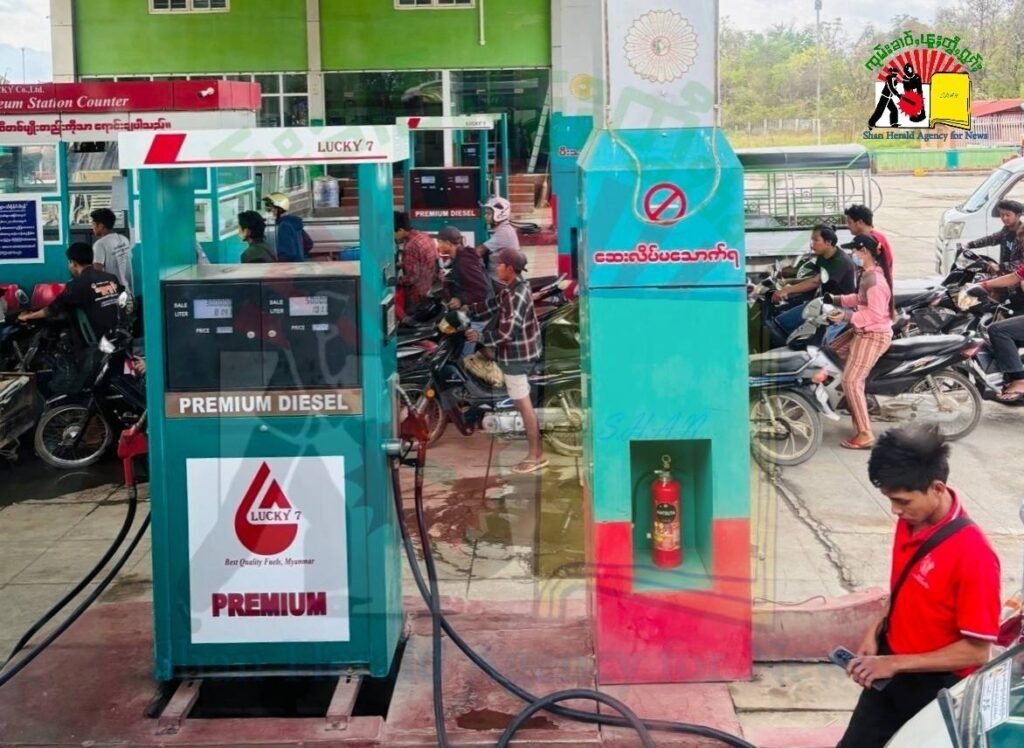
“Working as a motorcycle taxi driver has become unsustainable. Fuel is only available once per day, and frequent passenger trips quickly deplete my supply. I spend nearly half of my working hours queuing at stations, which effectively cuts my workday in half. With rising commodity prices and high fuel costs, my daily take-home income has dropped to around 15,000 kyats.”
For many drivers, this income barely covers basic living expenses, reflecting the broader economic strain caused by rising costs and limited fuel availability.
Adding to the pressure, authorities have intensified vehicle inspections across Shan State.
On March 18, traffic police and security forces began enforcing an even-odd license plate system at major junctions in Taunggyi, including East and West Circular Roads, War Pyar, and Ayeyarwady junctions.
Under the system, private vehicles are only permitted to operate on designated days based on whether their license plates end in even or odd numbers.
At the same time, authorities have reportedly begun seizing unlicensed motorcycles and cars during inspections, further limiting mobility.
As fuel shortages persist, residents across Shan State say they are facing increasing difficulty maintaining both livelihoods and daily routines.
For farmers, the inability to access fuel threatens planting cycles and harvests. For traders and transport workers, rising costs and restricted mobility are cutting into already fragile incomes.
If the situation continues, residents warn that the consequences will extend far beyond fuel—affecting food production, market supply chains, and the broader economy.



Leave a Comments