



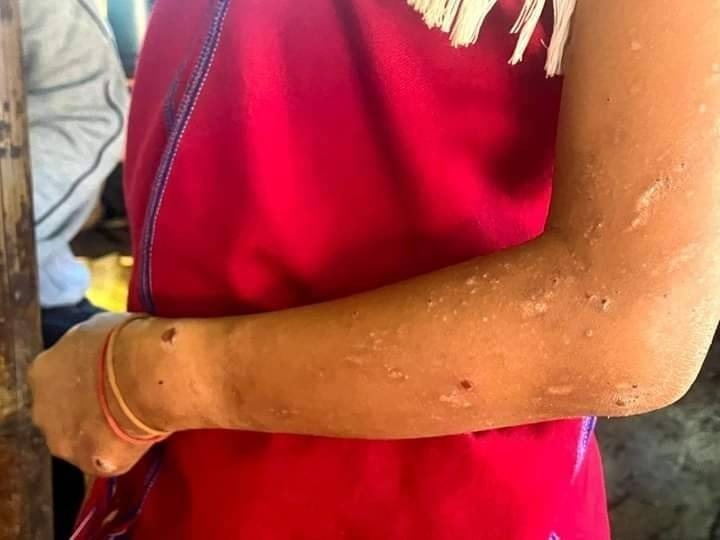
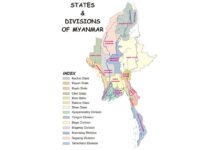
Internally displaced persons (IDPs) in the western part of Demoso Township, Karenni (Kayah) State, are facing a worsening humanitarian crisis, as severe water shortages have led to a widespread outbreak of skin diseases, including scabies, according to residents and aid workers.
As temperatures rise during the dry season, traditional water sources such as streams have dried up, leaving thousands of displaced people struggling to access basic water supplies. Efforts to dig artesian wells have largely failed, with yields too low to meet demand.
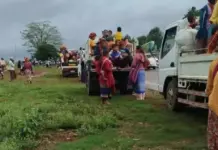
With no reliable alternatives, many IDPs are now forced to purchase water from private vendors. A single delivery by hand tractor reportedly costs more than 100,000 kyats, placing a heavy financial burden on already vulnerable families.
“I want people to understand the situation here. It’s extremely remote, and water is incredibly scarce. You’d find gold before finding water if you dug a well here. We have to buy water at high prices from vendors, and we don’t even know where it comes from. Now, skin diseases are becoming very common among children,” a displaced man from Demoso said.
The lack of clean water has made it difficult for residents to maintain basic hygiene, contributing to the spread of skin infections. Children and the elderly are reported to be the most affected.
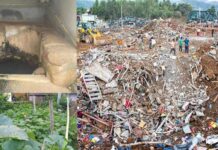
IDPs say strict water rationing has become necessary, with some residents able to bathe only a few times per month. Many households store water in makeshift ponds lined with tarpaulin, which are only effective during the rainy season.
An aid worker assisting displaced communities emphasized the urgency of the situation:
“Water is as precious as gold here—we have to use every drop sparingly. Even if people wanted to relocate to areas with better access to water, those places are extremely remote and lack proper roads, making movement very difficult. We urgently need medical assistance for those suffering from skin diseases, as well as support to secure clean drinking water.”
In addition to the water crisis, residents report shortages of food and medicine, which they attribute to movement restrictions and blockades imposed by military forces. Limited livelihood opportunities have also pushed many young people to migrate abroad in search of work.
The region is currently experiencing extreme weather conditions, with intense heat during the day and cold temperatures at night, contributing to a rise in respiratory illnesses as well as ongoing skin infections.
Although IDPs in Demoso have faced similar challenges in previous years, residents say the situation in 2026 has worsened significantly, driven by higher temperatures and increased pressure on already limited resources.





Leave a Comments