


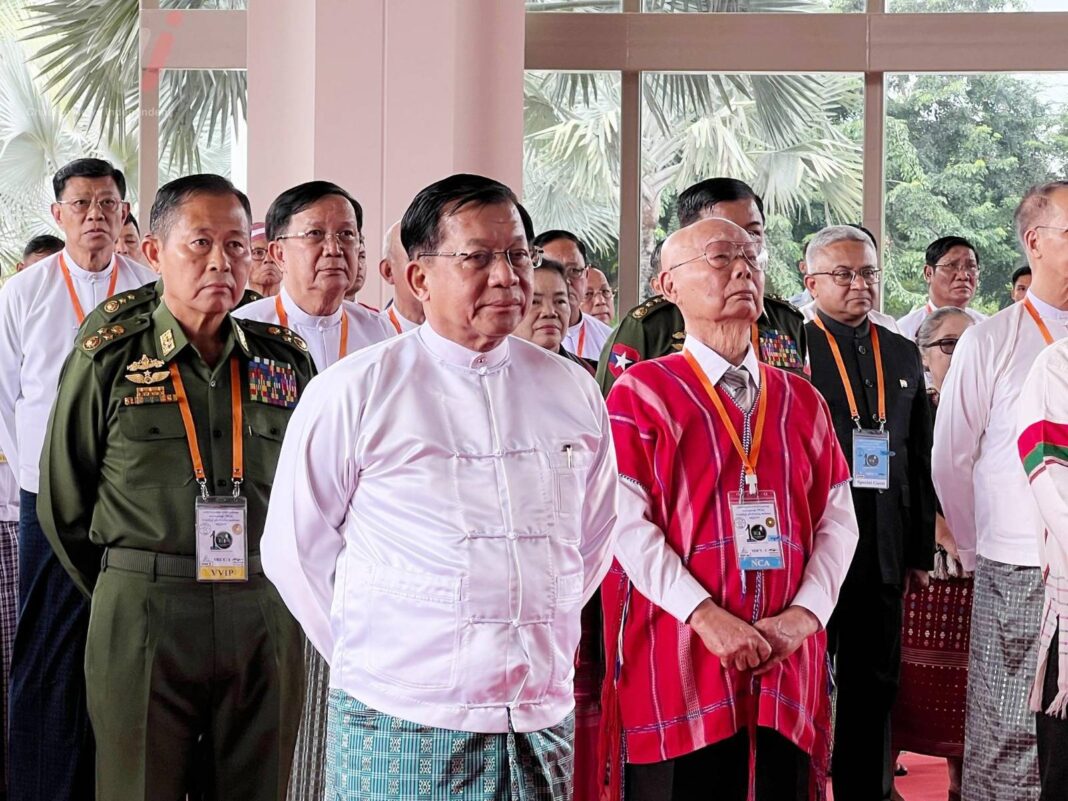
Actually Senior General Min Aung Hlaing wanted the 10th Nationwide Ceasefire Agreement (NCA) commemoration, which should be a sort of historical milestone somewhat similar to Panglong Agreement of 1947, the genesis of the Union of Burma. Daw Aung San Suu Kyi also called the NCA the 21st Century Panglong Agreement. But while the real intention was quite an ambitious one and should serve as a famous treaty, it turned out to be exactly just the opposite.
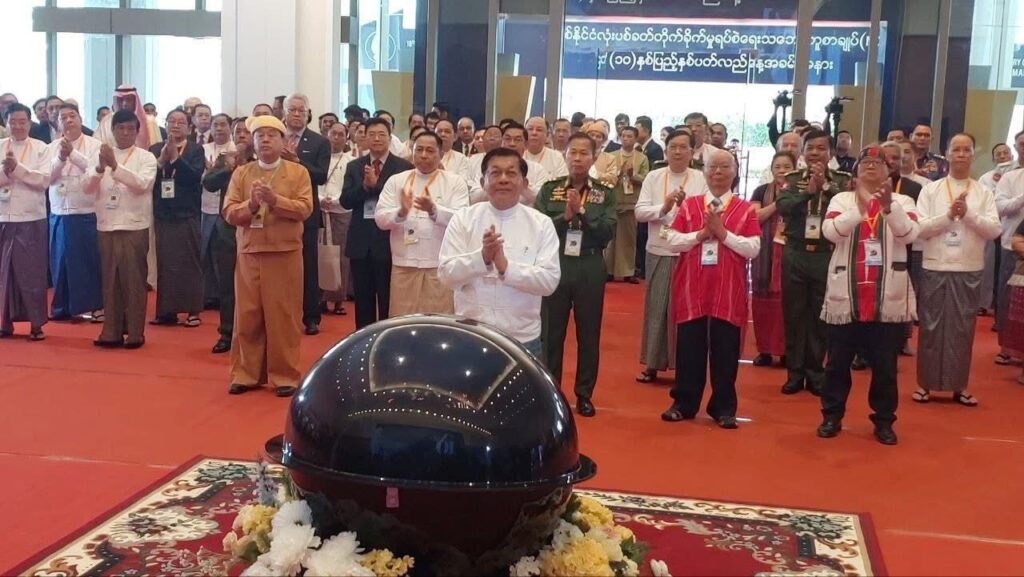
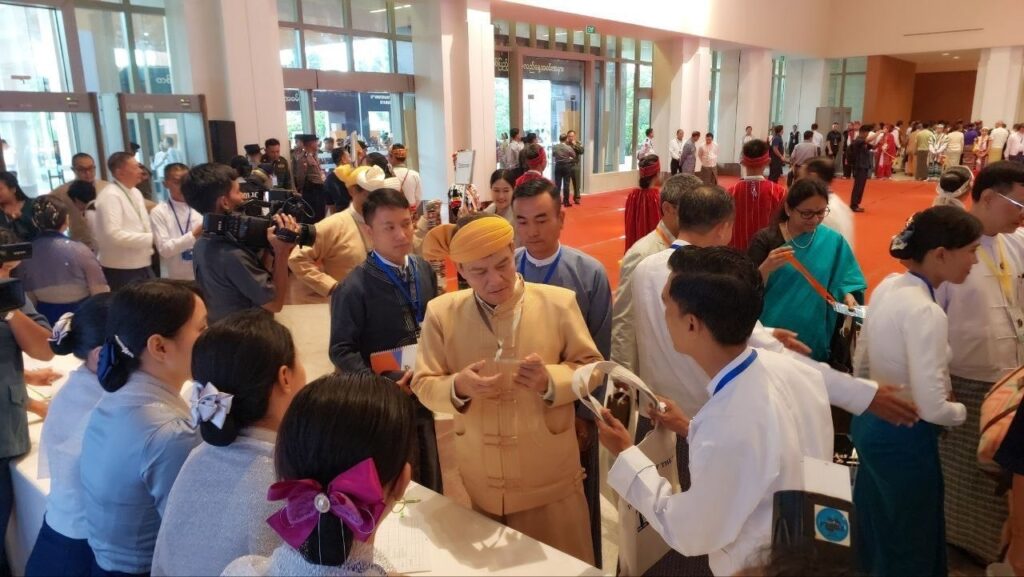
On October 15, 2025, the 10th anniversary of Myanmar’s 2015 NCA was commemorated in Naypyitaw with a ceremony hosted by the military regime.
Six ethnic armed groups that originally signed the NCA, including the Karen National Union and the All Burma Students’ Democratic Front, issued a joint declaration urging the international community to boycott the event, stating the agreement is “null and void” following the 2021 military coup.
The signatories argued that attending the ceremony would be “shameful and disgraceful” given the military’s brutal actions since the coup, and they accused the regime of attempting to gain international legitimacy through the event.
Despite the boycott call, some NCA signatories, including the United Wa State Army attended the occasion. UWSA spokesman U Nyi Rang said that its organization completely backed the junta’s elections to be held at the end of the year in December and carry on into the next year in phases.
The Chinese and Indian diplomats also attended the occasion.
China reaffirmed its support of junta while EU and APHR condemned it
During the 10th anniversary of the NCA in Naypyitaw Chinese envoy Deng Xijun said China does not want to see “escalating conflicts or lawlessness in Myanmar,” according to the media reports.
Echoing earlier remarks by Foreign Minister Wang Yi, Deng also rejected foreign interference in Myanmar’s internal affairs.
Analysts questioned the claim of non-interference, however. “China is the only real foreign power intervening in Myanmar’s affairs,” one political observer told The Irrawaddy. “China is propping up the military regime. As junta leader Min Aung Hlaing has to rely on China, Beijing will continue to intervene,” he said.
But in the mean time, on 17 October 2025, in Brussels, members of ASEAN Parliamentarians for Human Rights (APHR) joined by lawmakers from the European Parliament, come together to spotlight the escalating, cross-border humanitarian crisis affecting Rohingya refugees in Cox’s Bazar and internally-displaced people in Myanmar, in a joint-statement.
Wouter Beke MEP, Chair of the European Parliament Delegation for relations with the countries of Southeast Asia and the Association of Southeast Asian Nations (ASEAN) said:
“Once again, we strongly condemn the ongoing violence in Myanmar, sham planned elections and human rights abuses. We call for the full implementation of the Five-Point Consensus peace plan, intensified sanctions, increased support for the democratic resistance, and urgent humanitarian aid. We demand accountability and stand firmly with the people of Myanmar in their fight for democracy and peace.”
RCSS blamed junta
On October 15, the signing of 10th NCA anniversary commemoration, Restoration Council of Shan State (RCSS) blamed the junta by issuing a statement, which outlined the weakness of the NCA as the failure to build trust among all parties; the failure to implement the commitments made; the military has taken advantage of the 2008 Constitution to oppress ethnic armed organizations (EAOs); the lack of a genuine desire to reform the country; and the military has retained power (through 2021 military coup) instead of dealing with allegations of election fraud through courts and given laws, and thus destroying the peace.
Thus RCSS considered the future dialogue should take the following into account. They are:
- The Tatmadaw should first build trust with all armed groups. Only after the public has forgotten their pains and grievances should it make new commitments.
- The Tatmadaw and the armed groups should first reach an agreement and then proceed to the political negotiation table.
- After the political discussion has reached a consensus, it should be enacted into law.
- A neutral country should participate as a witness in every dialogue.
- Since political parties have the right to act in the Pyithu Hluttaw, they should not interfere in the discussions with the armed groups.
- The political negotiation should be based on one main topic: establishment of a federal democratic union. [There is no need to separate in sub-topics or sectors, as everything has been analyzed ( and included) in detail in the federal principle.]
Junta continued its airstrikes
The air force carried out at least nine airstrikes in central Myanmar, Shan and Kachin states, as the 10th anniversary of the NCA was being celebrated in Naypyitaw, where the military commission is based. The military commission air force bombed Pauk, Myoung, Watlet, Ngaphe, Natoygyi, Hsipaw, Kyaukme, Bhamo and Paukkhaung townships, where fighting between the military commission and the rebel forces was intense, WaiHin, a group that monitors airstrikes, confirmed to Myanmar Now. Although the number of townships bombed by the military commission is only nine townships that they have information about, WaiHin said more airstrikes are likely, according to Myanmar Now recent report.
Analysis
Despite the NCA’s intentions, the civil war continues unabated, with many ethnic armed groups actively engaged in fighting against the junta. The military currently controls less than 25 percent of the territory in Myanmar. Ethnic militias have gained considerable ground, and the conflict has led to widespread humanitarian crises, including mass displacements and severe violations of human rights.
However it should be noted that the junta lately has gained nearly a dozen strategic towns back in a few months, especially in northern Shan State and Anyar or Dry Zone of Burma’s heartland and some part of Karenni State adjacent to southern Shan State, while some 90 towns and more than 60 percent of country’s territories are still in the hands of anti-junta forces.
While the 10th anniversary NCA was recently commemorated, it has been criticized for being largely ineffective. The military’s push for power has been met with resistance from various factions, making the prospect of peace increasingly bleak. International interventions and dialogue have been limited, and China’s involvement in the conflict on the side of the military junta has added complexity to the armed conflict situation. The Chinese government has exerted pressure on ethnic groups, supporting the junta’s military actions, while simultaneously advocating for noninterference in Myanmar’s internal affairs, which isn’t seen as a real existing picture that China has been continuously urging the international community to follow and maintain.
Potential consequences of humanitarian crisis; geopolitical implications; and internal displacement are issues that will loom larger in the coming days and months and would lead to more explosive atmosphere across the nation, with different intensity in various armed conflict spectrum.
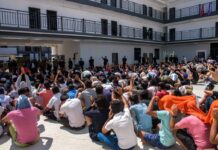
The ceaseless violence has resulted in over 14 million displaced people, with significant needs for food, clean water, and medical services. The situation is likely to deteriorate further unless peaceful negotiations succeed.
A successful NCA—or its failure—could reshape regional dynamics. As the junta leans heavily on China, the influence of other powers, including the United States and ASEAN, may be diminished, raising concerns about human rights abuses being overlooked.
Continued conflict could further destabilize the country, leading to additional internal migration and a breakdown of local economies. As tensions rise, communities may fracture, making reconciliation more challenging.
The long-term outlook, into the the NCA’s current trajectory suggests a prolonged conflict rather than an imminent resolution. Ethnic armed groups are likely to expand their influence, while the junta may tighten its grip with external support, complicating peace efforts more than ever.
The role of the NCA thus remains critical but paradoxical. While it symbolizes a hope for peace, its actual implementation has not translated into a meaningful cessation of hostilities. The ongoing support and strategies from external actors like China may continue to play a crucial role in the coming months.
In the meantime, Junta leader Min Aung Hlaing recently remarks that the EAO leaders should only ask for what is “realistic” and not overly demand things that are impossible, during the 10th anniversary NCA commemoration, held in Naypyitaw.
With this, he unmistakably postured himself and the military class as a giver entity and rest are subordinates and receivers, waiting for his mercy and hands out, which is not in order for other stakeholders should be all equal stakeholders and negotiators and owners of the country’s sovereignty. And this kind of attitude and mindset will be the most crucial stumbling block to achieve any durable solution for the multi-ethnic country like Burma or Myanmar, with or without the NCA.



Leave a Comments