



In Taunggyi, as the monsoon rains poured down, Ko Naing (pseudonym) waited outside the delivery room — filled with hope that his fourth child would soon be born safely. Hours later, that hope was replaced by unbearable loss.
Despite their modest income as daily wage laborers, Ko Naing and his wife, Ma San San (pseudonym), had chosen a private clinic, believing it would offer safety for the birth.
“Until she went into the delivery room, I was full of hope,” Ko Naing recalled, his voice breaking. “When she came out, she couldn’t speak, just tears streaming down her face. At that moment, I had to hold back my own tears.”
Minutes later, the unthinkable unfolded. Both mother and child were rushed from the clinic to Taunggyi Children’s Hospital. Within minutes of arriving, 28-year-old Ma San San was pronounced dead. The newborn also could not be saved.
“I thought if we lost the mother, at least the child might survive. If even one of them lived, it would have been some consolation. But losing both… I just can’t come to terms with it,” Ko Naing whispered.
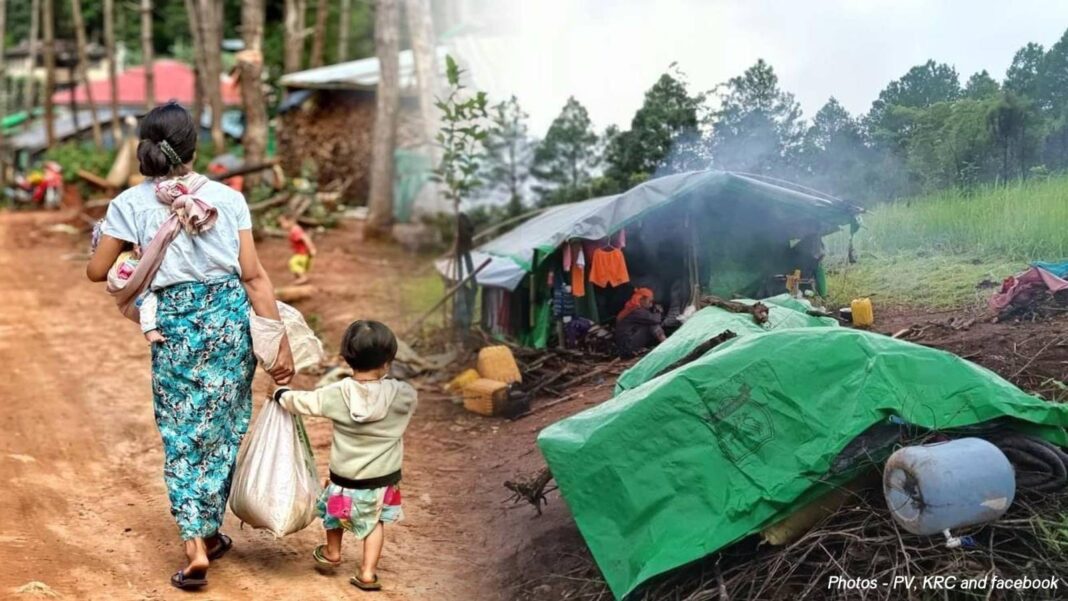
The tragedy followed months of hardship. The couple were originally from Hpayar Taung village in Nyaungshwe Township’s Inle region, where they had raised three children together.
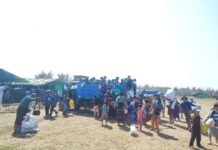
But in February 2025, clashes erupted between the military junta’s troops and the Inle People’s Defense Force (IPDF). At five months pregnant, Ma San San fled with her husband and children by motorboat, joining hundreds of displaced families in Nan Pan village, about 61 miles away.
Even in displacement, Ko Naing worked daily — farming and fishing — to keep his family afloat while preparing for the new baby.
On June 3rd, the day they had been waiting for, they set out joyfully for the private clinic. Ko Naing was already planning to buy baby supplies after the delivery. But instead of joy, that day ended in devastation.
Her husband said Ma San San had no health problems before giving birth. He believes negligence at the private clinic caused the deaths of both mother and child. After he shared the tragedy on social media, clinic representatives came to his home and offered one million kyats for his silence. He refused.
“I cannot exchange the lives of my wife and child for money,” he said firmly.
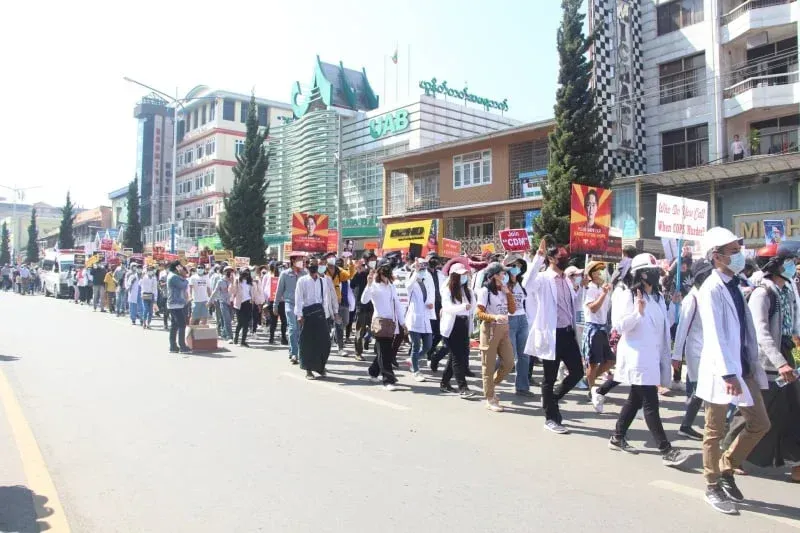
Ma San San’s death is not an isolated tragedy but part of a larger collapse. Since the 2021 military coup, Myanmar’s healthcare system has unraveled. More than 100,000 health workers joined the Civil Disobedience Movement (CDM), refusing to work under the junta. In Shan State, many doctors, nurses, and midwives walked away from government hospitals.
Instead of reinstating experienced CDM staff, junta-controlled hospitals have been filling the gaps with recruits who undergo only six months of medical training before being placed as nursing assistants.
“This death of a mother in childbirth is due to the negligence of healthcare workers,” said Nang Yu, a midwife from Taunggyi Township. “Before administering medication, they should always test for allergies. Proceeding without caution shows the danger of using under-trained assistants.”
In displacement camps, the situation is even worse. Families live without reliable access to healthcare, family planning services, or antenatal care.
“They marry young, with little knowledge of maternal health,” explained May Yu Hlaing Thin from the Justice Movement for Community – Inle, which assists IDPs. “We urgently need to provide family planning education.”
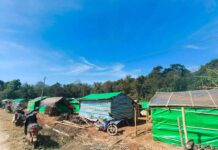
Hundreds of displaced villagers from Nyaungshwe and surrounding areas now live in the Inle region, surviving largely on their own. Humanitarian workers say medicine is scarce, as the military council blocks transport routes and restricts aid supplies.
“Pregnant women, children, and mothers need medicine,” said a local woman who helps IDPs. “But the military makes transportation of goods, including medicine, extremely difficult. If this continues, public health will deteriorate even further.”
Ongoing clashes between junta troops, the Pa-O National Organization (PNO), and resistance forces keep communities under constant threat. With healthcare collapsing and blockades tightening, more families face tragedies like Ko Naing’s.
Now, he struggles to care for his three surviving children alone.
“Every time I go to work, I feel uneasy leaving the children at home,” he said. “If my wife were still alive, we would be living together properly.”
In his grief, he finds strength only in his prayer that no other mother or father will suffer as he has.
“I pray daily that other expectant mothers will not face the same fate as my wife,” he said softly.
For Ko Naing, the monsoon rains no longer signal the renewal of life but the season of unbearable loss.

Leave a Comments