

Police forces under the military junta and the Pa-O National Organization (PNO) militia in the Inle, Pong Inn, and Ywangan regions are reportedly arresting drug users for forced conscription, while drug dealers—some with militia ties—are being released after paying bribes.
According to local sources, on October 13, junta police conducted a surprise raid on a drug-selling site in Nang Pang village tract, Inle region, Yawnghwe (Nyaungshwe) Township, arresting 11 people, including both users and dealers.
“In Nang Pang, 11 people were arrested—both users and a seller. The person selling the drugs was released for 80 lakh [8 million] Kyats (around USD 2,010),” a local man familiar with the incident told SHAN.
Residents confirmed that the released dealer is a member of the Pa-O National Organization (PNO) militia.
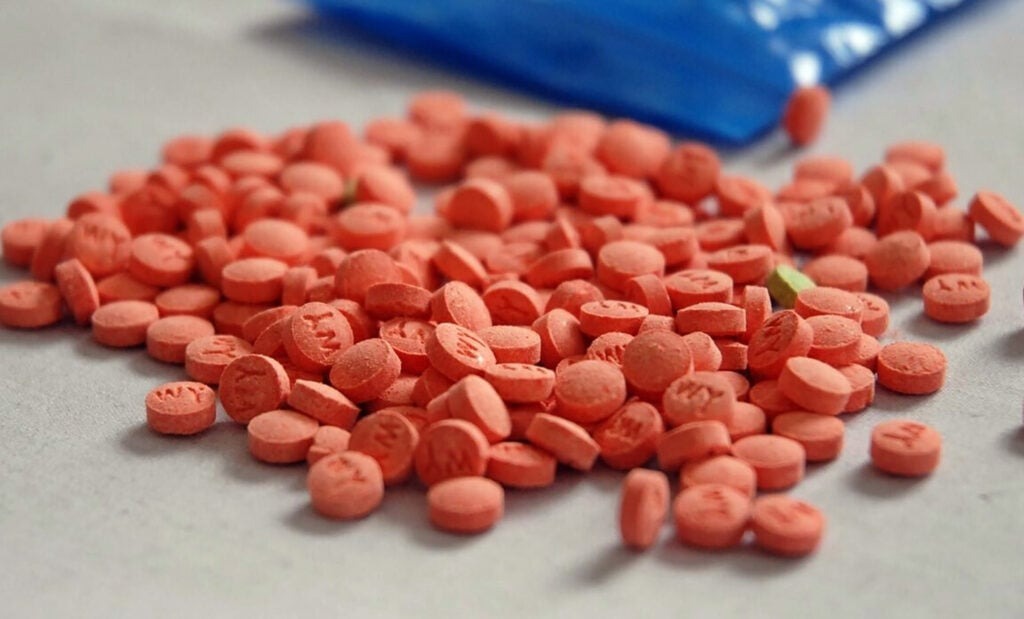
Similarly, on October 5, a man in his 40s from Yae Won village, Pong Inn region, Taunggyi Township, was caught with five packages of WY stimulant tablets. Local sources said he was released after paying 25 million Kyats (about 500,000 Kyats per tablet).
A source from Pong Inn added that in late August, junta police arrested several drug users and demanded 7 million Kyats per person for their release. Those who could not afford to pay were reportedly sent for military service.
“The police arrested drug users and demanded 7 million Kyats for their release. Some parents couldn’t pay, so their sons were sent into the army instead,” the source said.
Ground reporters in the region told SHAN that since the 2021 military coup, both drug use and trafficking have surged in southern Shan State, with users starting as young as their mid-teens.
“From the age of 17, both boys and girls have been using drugs. Now, even daily laborers treat WY like a snack,” said a local man from the Inle area.
A 30-year-old woman from Ywangan said the spike in drug abuse is directly linked to drug dealers operating in collusion with junta soldiers, police, and PNO members.
“The dealers are connected with the military. They distribute WY for free to young people at first, and once they’re addicted, they start selling it to them. You can order it with just one phone call, and it arrives at your doorstep,” she said.
She added that while drug dealers enjoy protection, police continue to arrest users, detaining them briefly before releasing them.
Before the coup, drug use and trafficking were not openly visible in southern Shan State, and local community groups often ran anti-drug education programs in villages.
However, locals say that five years after the coup, drug trading is happening in broad daylight, arrests and legal actions are merely for show, and no organizations remain to educate or protect young people from drug addiction.

Leave a Comments