

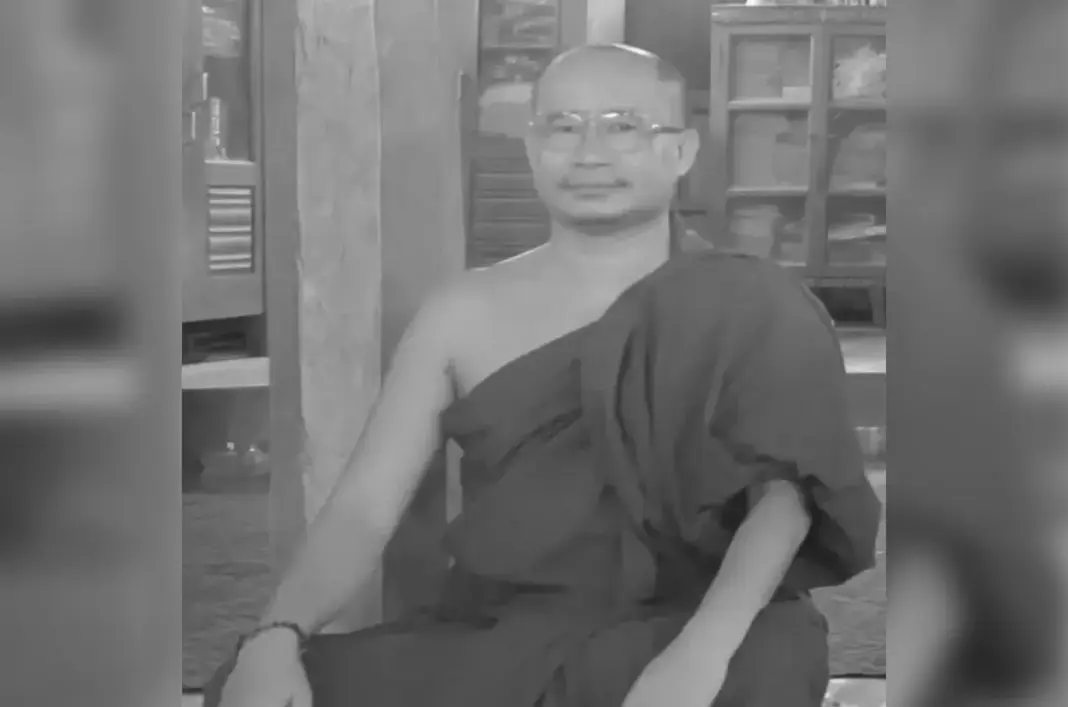
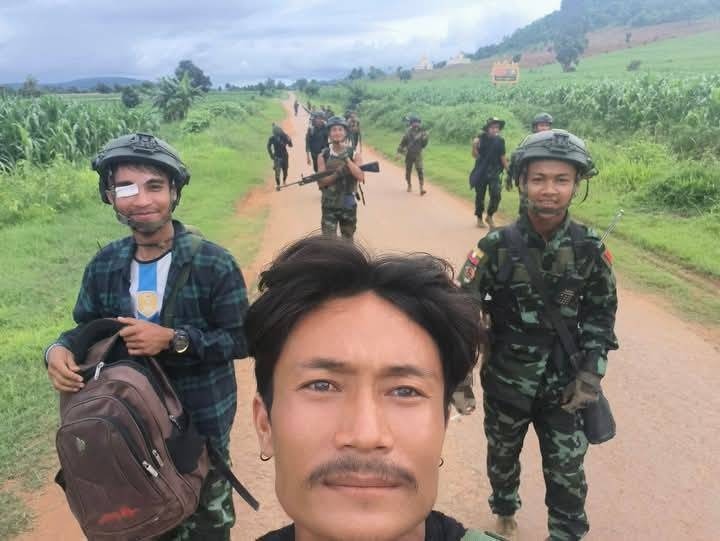
A revered Shan monk and a dedicated humanitarian worker were tragically shot and killed while providing aid to internally displaced persons (IDPs) in Pai Khun (Phekhon) Township, Southern Shan State. The killings, allegedly carried out by the local resistance group known as the “Bee Battalion,” have sent shockwaves through the community, raising urgent questions about accountability and justice.
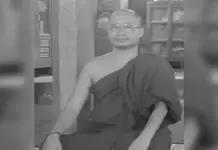
The victims, identified as Shan monk Sao Dhammasara (Sao Yawm) and humanitarian worker Sai Aik Pee, were reportedly targeted after being accused of supporting the military council. According to local sources, Comrade Maung Balatt of the Bee Battalion was responsible for the shooting.
When contacted by SHAN, a Bee Battalion representative offered an indirect response, stating, “This is a serious matter, and we acknowledge public pressure. If we lose public support, we have no choice but to lay down our arms. Right now, there’s nothing more to resolve.”
The Pai Khun Shan Youth Network swiftly condemned the killings, highlighting the profound loss to the community. U Dhammasara was not only a spiritual leader but also a passionate advocate for Shan culture, teaching Shan literature and supporting displaced families. A local youth activist expressed the gravity of his death:
“This isn’t just the loss of a monk; it’s the loss of the future for Shan youth. He was accused of supporting the military council without clear evidence. Armed groups should not act on emotions and take lives without proof.”
The tragedy has left displaced communities in fear, as U Dhammasara was a pillar of humanitarian assistance. “If even those who help the displaced are targeted, who will be left to support them? Killing the monk is like killing Shan youth itself,” the activist added.
Local residents and civil society organizations are demanding transparency and justice. The Pai Khun Shan Youth Network criticized the Bee Battalion, stating, “People once trusted them, unaware of their hidden dangers. We want justice for the monk and the aid worker. People should not have to fear being labeled as ‘dalan’ (military informants) and executed.”
Residents of Pai Khun echoed these sentiments, calling for accountability. “The killers must be held responsible. They need to answer for their crimes,” said a local woman.
A 25-year-old woman working with refugees emphasized the dangers faced by aid workers: “Just because we coordinate with authorities for humanitarian efforts doesn’t mean we are military informants. People need to understand that. This kind of reckless accusation should not lead to executions.”
The Shan Civil Society Organizations have issued a stern warning to armed resistance groups in the region, urging them to uphold ethical conduct and ensure transparency in their operations. “Betraying public trust will only deepen the crisis,” they stated.
On March 4, 2025, Sao Dhammasara and Sai Aik Pee were visiting Ontain village when they were ambushed. The monk was shot eight times, and the aid worker twice. Their phone and bank book were also stolen by the attackers.
The killings have left the community in mourning and heightened concerns over the lack of accountability among armed groups in the region. As calls for justice grow louder, the incident underscores the urgent need for dialogue, transparency, and the protection of those who dedicate their lives to helping others.


Leave a Comments