




The devastating impacts of August’s floods in eastern Shan State, which destroyed homes and farms in four villages and killed five people, were the direct result of unregulated logging and rubber monocropping in this remote mountainous area along the Mekong River.
The floodwaters originated in the Loi Phalang mountain range, running east from Tarlay, in Tachileik Township, to the Mekong River. These mountains have been heavily logged since the mid-1990s, with timber exported along the Mekong to China and Thailand. Most of the valuable timber, such as rosewood, has long been stripped off lower slopes, but logs of various species remain piled up on remote hilltops, waiting to be sawn into blocks for export.

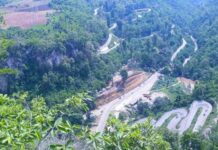
On the lower hillsides, biodiverse forests have been replaced by monocrop rubber plantations. Rubber trees carpet the hills all along the 37-mile road from Tarlay to the new Laos-Myanmar Friendship Bridge at Keng Larb.
These elements laid the foundation for August’s flood disaster. On the evening of August 3, heavy rainfall washed heaps of felled timber down from mountaintop logging sites. These logs were pushed along five main streams, where they formed giant log jams.

As rainfall continued, water pressure built up behind the logs, compounded by fast runoff from the rubber plantations, long stripped of absorbent undergrowth and topsoil. Finally, in the early hours of August 4, the log jams burst apart, sending a deadly torrent of timber, rocks and mud down into the valley below.
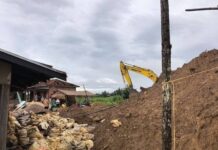
The Shan village of Wan Kai, directly in the path of the Nam Kai stream, was the worst hit. Residents were awoken by a thunderous crashing, and rushed frantically from their homes to flee the torrent. Four people, including the one-and-a-half year old child of a local schoolteacher, were swept away and perished. Twenty-three houses were completely demolished.
All of the paddy fields of the Lahu village of Nam Wan were destroyed by the deluge of logs and rocks. A young farmer, who had slept in his fields, disappeared that night. His body has not yet been found.

Although Burmese government soldiers from Mong Phyak came to clear mud and rubble from the roads soon after the disaster, there has been no attempt yet to clear the devastated fields. The main local livelihood is rice farming, but villagers now fear, if their fields cannot be restored, they have lost not only this year’s harvest but also future harvests.
While local villages are suffering the terrible costs of this disaster, those who authorized and profited from the logging and rubber concessions that caused the tragedy remain unscathed.
This flood disaster must serve as a wake-up call for Burma’s policymakers. Current development policies are reckless and unsustainable, serving the interests of only a few outside investors, while destroying the environment, lives and future of local people.
President Thein Sein, formerly the Triangle Regional Commander, who prides himself on his close links to eastern Shan State residents, should take a long, hard look at the legacy of his presidential term in this area. The deluge of mud speaks volumes.
By JAPHET JAKUI / Director, Lahu National Development Organisation (LNDO)




Leave a Comments