


Kyaukme Villagers Return Despite Threat Of Landmines

Some civilians in northern Shan State who were displaced by the fighting in 2021 and moved to Kyaukme town have returned to their villages, but many are concerned about the landmines that remain.

.

Since fleeing the fighting between the Restoration Council of Shan State (RCSS) and Northern Alliance groups, they have been working as labourers, but their daily wages (7,000 kyat for men, 5,000 for women) aren’t enough to support themselves in the town, a man helping them told SHAN. “They have to pay their rent and buy food” and water amid rising inflation, he said, explaining that their rent is between 40,000 ($19) and 70,000 kyat per month.
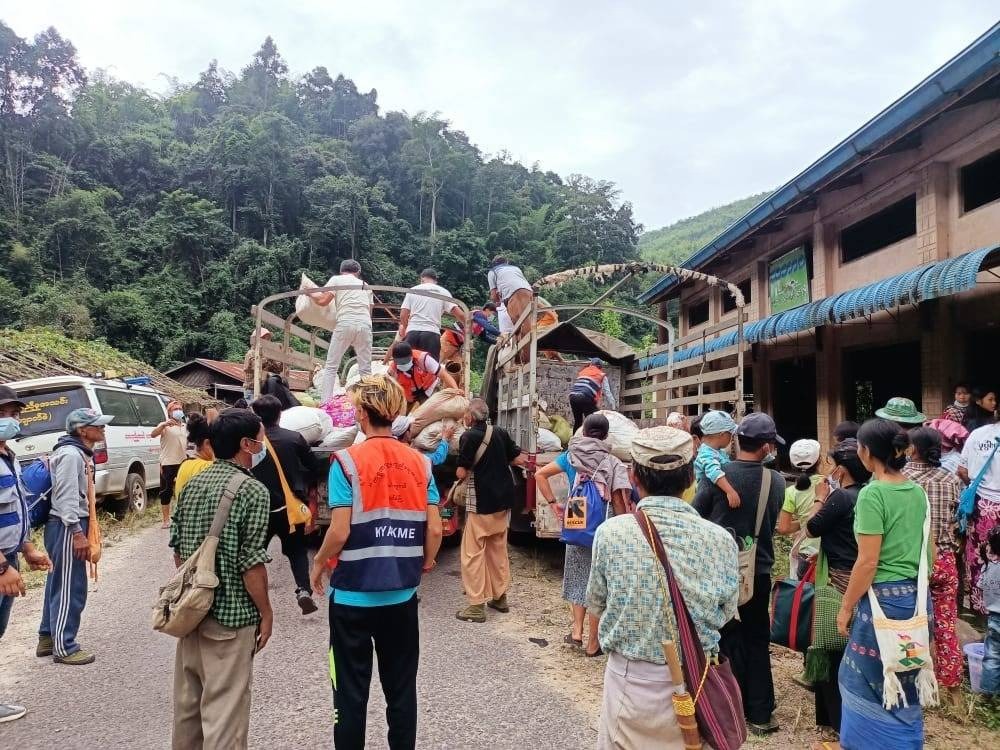
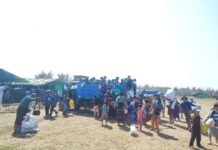
IDPs in Kyawkme township northern Shan State
IDPs in Kyawkme township, northern Shan State.

The township is home to 5,000 people from 1,250 families who remain displaced by clashes between the RCSS, the Shan State Progress Party (SSPP) and the Ta’ang National Liberation Army.

A man from Chong Houng fears stepping on a hidden landmine laid by one of the armed groups if he returns to his village. However, he has learned that some families have returned to their villages to clean their houses. “I heard that SSPP troops provided them with some rice.”
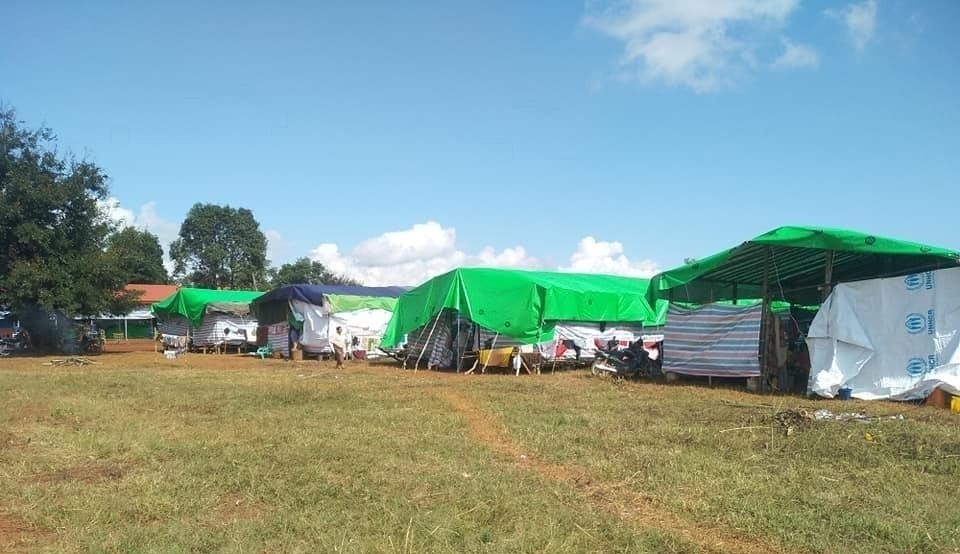
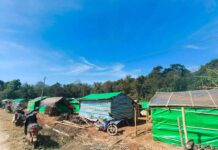
Temporary shelter for IDPs in Kyawkme township
Temporary shelter for IDPs in Kyawkme township.

An officer from the armed group recently told SHAN that they’re ready to support those who want to go home. Over a week ago, more than 150 people returned to Pon Lon, Hu Suan and Khur Hnin village tracts in Mong Ngor sub township, volunteers report.

12 families returned to Choung Houng, 16 families to Choung Thit, 7 families to Nam Hpyit, one family to Hin Wow, 12 to Hu Suan, 8 to Neing Hseng, 26 to Mang Pouk, 2 to Ton Heik and 17 to Wan Kein Kai.

Leave a Comments

promotion

SHAN Membership

฿ 19฿ 169 /mo
  • ၶဝ်ႈႁူမ်ႈ ႁဵၼ်းဢဝ်ၵၢၼ်ၶၢဝ်ႇ၊ ရေႊတီႊဢူဝ်ႊ၊ ထႆႇႁၢင်ႈ၊ Blogger, Vlog ထႆႇဝီႊတီႊဢူဝ်ႊ တတ်းတေႃႇ ႁဵတ်းဢွၵ်ႇ ပိုၼ်ၽႄႈ
  • ၶဝ်ႈႁူမ်ႈၵၢၼ်တူင်ႉၼိုင်ၸုမ်းၶၢဝ်ႇၽူႈတွႆႇႁွၵ်ႈ ၼႂ်းၶၵ်ႉၵၢၼ်ပူၵ်းပွင်ၵၢၼ်သိုဝ်ႇ
  • ၶဝ်ႈႁူမ်ႈပၢင်လႅၵ်ႈလၢႆႈပိုၼ်ႉႁူႉပၢႆးႁၼ် ဢၼ်ၸုမ်းၶၢဝ်ႇၽူႈတွႆႇႁွၵ်ႈၸတ်းႁဵတ်း
  • ၶဝ်ႈႁူမ်ႈပၢင်ဢုပ်ႇဢူဝ်းတွင်ႈထၢမ် ၵဵဝ်ႇၵပ်းငဝ်းလၢႆးၵၢၼ်မိူင်း၊ ၵၢၼ်မၢၵ်ႈမီး၊ ပၢႆးမွၼ်း လႄႈ ႁူဝ်ၶေႃႈ ဢၼ်ၶႂ်ႈႁူႉၶႂ်ႈငိၼ်း။
  • လႆႈႁပ်ႉဢၢၼ်ႇ ၶၢဝ်ႇၶိုၵ်ႉတွၼ်း ပိူင်ပဵၼ်ဝူင်ႈလႂ်ဝူင်ႈ ၼၼ်ႉ။

Related article

Latest article

Trade restrictions drive up costs and strain supply chains in northern Shan State

Trade Restrictions Push Up Costs, Strain Supply Chains in Northern Shan

0
New restrictions imposed by military authorities on the transport of Chinese goods into northern Shan State are disrupting trade routes, slowing cargo operations, and...
Min Aung Hlaing, Myanmar’s self proclaimed president, is pictured at center

THE PRICE OF IMPUNITY: How Universal Jurisdiction is Breaking Myanmar’s Military Regime

0
East Timor or Timor-Leste has become the first ASEAN nation to advance the prosecution of Myanmar’s military leadership, formally transferring a case against self-proclaimed...
MNDAA troops are seen in northern Shan State, where the group is reportedly preparing to begin gold mining operations in Hsipaw Township

MNDAA Prepares Gold Mining Project in Northern Shan State, Residents Concerned

0
Residents in Hsipaw Township, northern Shan State, say the Myanmar National Democratic Alliance Army (MNDAA), also known as the Kokang Army, is preparing to...
A view of Hsawng Pyaung village area in Pinlaung Township, southern Shan State, where landmines continue to restrict access to farmland

Fields of Fear: Landmines Keep Hsawng Pyaung Farmers from Their Land

0
Residents returning to Hsawng Pyaung village in Pang Laung (Pinlaung) Township, southern Shan State, say landmines left behind from earlier fighting are preventing them...
A mountain road in Kengtung Township, eastern Shan State, where poor conditions often prevent access to healthcare services

Poor Roads in Kengtung Highlands Contribute to Maternal Deaths

0
Residents in the highland areas of Kengtung Township in eastern Shan State say poor road access is preventing patients—especially pregnant women—from reaching medical care,...